


Gold World News Flash |
- China’s Gold Price Fix Coming Soon, What to Expect – Gwen Preston
- Gold – The Best Defense Strategy
- Ronan Manly: The gold vaults of Hong Kong
- GoldSeek Radio interviews GATA's Murphy and Sprott's Embry
- Welcome to Dystopia Episode 18: Forget Panama Papers, Sprott Scarfing Down More Silver!
- Warren Buffett’s Father, Gold, and Liberty - Jeff Nielson
- Economist Warns: “A Tidal Wave Is Coming… Recession Indicator Has Turned Red”
- TFMR Podcast: Next Big Leg Up in Metals Coming… Or…?
- WTF Chart Of The Weekend: Down Is The New Up
- Clinton cannot win election without blood money
- "The Greater Depression Has Started" - Comparing 1930s & Today
- Bad Week for Stocks, Good Week for Gold and Silver Prices, Rotten Week for the US dollar Index
- The real Untouchables
- Market ReCap 4-8-2016 (Video)
- The Fed ‘Stimulus Trap’
- VR’ing With Yellen, Bernanke, Al and Volcker
- Welcome to the Virtual Reality Revolution
- Gold Stocks Breakout, Gold to Follow
- Big Brother Gone Mad? No - He's Just Pure Evil: The David Icke Videocast Trailer
- A Fatal “Flaw” in the System
- Harry Dent This is the last chance for investors – This is not a correction
- Gold Defies Stock Bear Rally
- In 4 Days Dollar No Longer Needed For World Trade
- Peter Schiff : Economic Collapse IMMINENT In 2016
- Breaking Prophecy Alert : "Saudi Arabia & Egypt Building A Bridge"
- Things We Cannot Say
- Actual life in the junior gold mining sector
- Gold Defies Stocks Bear Market Rally
- Jobs and Entrepreneurial Vitality
- Gold Sector: Macrocosm Updated
- Do ETFs' Flows Drive the Gold Price?
- Do ETFs’ Flows Drive the Gold Price?
- No. 1 One Reason To Buy Gold and Silver Is “Cyber Financial Warfareâ€
- War on cash and savers will prompt scramble for real metal, Hathaway says
- Peter DeGraaf: Gold and silver miners should 'starve the paper market'
- Goldman Sach's Dubious Advice 'Short Gold!'
- London's $5 trillion gold hub getting ready for a major overhaul
- Venezuela ordered to pay Crystallex $1.4 billion in arbitration ruling
- Gold price suppression is mentioned without a sneer at Kitco
- Rickards Makes New Case for Gold - Peter Diekmeyer
- Long and Intermediate Trends Crushing Commercials…
- The Many Uses of Silver
| China’s Gold Price Fix Coming Soon, What to Expect – Gwen Preston Posted: 09 Apr 2016 01:30 AM PDT from CrushTheStreet: | |||||||||||||||||||||||||||||||||||||||||||||||||||||||||||||||||
| Gold – The Best Defense Strategy Posted: 09 Apr 2016 12:00 AM PDT by Claudio Grass, Acting Man:
If you are used to making visits to your bank to make your credit card payments, you may find this no longer an option in the future. Some banks are no longer accepting (or limiting their acceptance) of cash deposits. The war on cash forges on. Paper money, which is indeed more or less worthless, is slowly being taken out of circulation and being replaced by digital currency. This shift presents of course the same fundamental problem as paper money itself: "digital money" is also not backed by gold or other precious metals or any asset representing real value. The whole concept of digitizing our transactions is being marketed as a convenience, a hassle-free payment method and a transparent, easy new way to smoothly run our lives and businesses, without the burden of carrying cash around. However, the realistic flip side of this joyful argument is more ominous than we might at first realize: Now, account monitoring or freezing, and confiscations will be easier than ever. And of course, by eliminating cash, central banks are getting rid of the last existing barrier to negative interest rates. The Global Economy is Stuck… Gold is on a Roll In the first quarter of 2016, the gold price rallied by 14.3%, and in February alone, it jumped 9.6% – this was the highest single-month increase in four years. 2016 has so far not shown any positive changes on the economic front. Growth remains rather slow, much slower than projected by government authorities and the various mainstream market experts and gurus. So what has driven the demand for the precious metal? It goes back to the basics: Risk!
It is abundantly clear that investors, whether individuals or institutions, are hedging against the volatility in equity markets and the existing (and rising) economic uncertainty, stirred by recent central bank decisions. In its last committee meeting, the Federal Reserve decided to maintain its target rate for the federal funds rate at 0.25% to 0.5%, but changed its outlook, stating that it will hike rates twice and not four times within the coming year (as was previously announced). If there aren't any unexpected surprises, we doubt there will even be two rate hikes this year. Meanwhile, the European Central Bank moved deeper into negative territory, dragging the deposit rate down to the ultra-low level of minus 0.4 percent. ECB President Mario Draghi also announced larger bond purchases of EUR 80 billion per month (up from EUR 60 billion previously). And while Draghi said that he cannot take rates further down, who is to say that this is final? In the case of the Fed, many had expected another rate hike this time around, putting their trust in the Fed's previous announcement that it will likely raise rates four times in 2016. Instead, the Fed surprised markets by maintaining current rate levels and announcing that potential rate increases will be limited to (possibly) two only. To top it all off, Fed Chair Janet Yellen stoked the fire further with her remarks regarding the European approach to negative rates: "We wouldn't take those off the table", she commented, when asked by Republican Senator Bob Corker whether the monetary policy-making Federal Open Market Committee would consider implementing negative interest rates.
This example clearly demonstrates that no announcement can be taken at face value. In fact, even though the Fed seemed determined to pursue a reversal of its Quantitative Easing program, at the moment this seems increasingly unlikely. The current monetary policy belief, the naive notion that simply printing more and more money can fix the fundamental and structural problems of our economy, is so deeply entrenched in the minds of policy makers, advisors and politicians alike, that it is unlikely to change in the foreseeable future. According to Steen Jakobsen, the Federal Reserve is reaffirming its policy objective to maintain a weak dollar; the Fed cannot afford to let the dollar appreciate. "A weaker US dollar is the only policy tool which can help stabilize the world economy", he says. However, we fail to see how this is possible in an economy so fatally overwhelmed with debt and paralyzed by low growth rates. New waves of interventionism, quick fixes and temporary band-aid solutions seem improbable cures for a global economy that has repeatedly proven to be simply unresponsive to such "treatments". What has Driven the Gold Price in Recent Weeks? Though it is not our objective to forecast the gold price, we are interested in discussing the underlying forces that bolstered consumer demand for the precious metal, which can be traced back to two main factors. First, an important role was played by higher demand by consumers and central banks in emerging markets, particularly China, which were to a great extent prompted by their depreciating local currencies versus the U.S. Dollar. Secondly, the recent uptrend in gold price is also underpinned by lower gold supply, as it dropped by 4% in 2015 to its lowest level since 2009, mainly as a result of lower mining production and recycling reaching multi-year lows in the fourth quarter. Additionally, more central banks are pulling out of the bullion trade, preferring to either maintain their current gold holdings or increase them. Top gold buyers were Russia, China (began regular reporting of gold purchases in July 2015) and Kazakhstan. | |||||||||||||||||||||||||||||||||||||||||||||||||||||||||||||||||
| Ronan Manly: The gold vaults of Hong Kong Posted: 08 Apr 2016 11:52 PM PDT 2:50p HKT Saturday, April 9, 2016 Dear Friend of GATA and Gold: Gold researcher Ronan Manly this week examines the gold vaults of Hong Kong, where, he notes, far more gold transfers are made than in the gold vaults associated with the New York Commodities Exchange. Manly's study is headlined "The Gold Vaults of Hong Kong: Brinks, Malca Amit, Loomis" and it's posted at Bullion Star here: https://www.bullionstar.com/blogs/ronan-manly/gold-vaults-hong-kong-brin... CHRIS POWELL, Secretary/Treasurer ADVERTISEMENT Buy metals at GoldMoney and enjoy international storage GoldMoney was established in 2001 by James and Geoff Turk and is safeguarding more than $1.7 billion in metals and currencies. Buy gold, silver, platinum, and palladium from GoldMoney over the Internet and store them in vaults in Canada, Hong Kong, Singapore, Switzerland, and the United Kingdom, taking advantage of GoldMoney's low storage rates, among the most competitive in the industry. GoldMoney also offers delivery of 100-gram and 1-kilogram gold bars and 1-kilogram silver bars. To learn more, please visit: http://www.goldmoney.com/?gmrefcode=gata Join GATA here: Mining Investment Asia http://www.mininginvestmentasia.com/ Support GATA by purchasing recordings of the proceedings of the 2014 New Orleans Investment Conference: https://jeffersoncompanies.com/landing/2014-av-powell Or by purchasing DVDs of GATA's London conference in August 2011 or GATA's Dawson City conference in August 2006: http://www.goldrush21.com/order.html Or a colorful poster of GATA's full-page ad in The Wall Street Journal on January 31, 2009: http://gata.org/node/wallstreetjournal Help keep GATA going GATA is a civil rights and educational organization based in the United States and tax-exempt under the U.S. Internal Revenue Code. Its e-mail dispatches are free, and you can subscribe at: To contribute to GATA, please visit: | |||||||||||||||||||||||||||||||||||||||||||||||||||||||||||||||||
| GoldSeek Radio interviews GATA's Murphy and Sprott's Embry Posted: 08 Apr 2016 11:33 PM PDT 2:31p HKT Saturday, April 9, 2016 Dear Friend of GATA and Gold: GoldSeek Radio's Chris Waltzek this week interviewed GATA Chairman Bill Murphy for 14 minutes about developments in the gold market -- http://news.goldseek.com/radio/1460127802.php -- as well as Sprott Asset Management's John Embry for about 12 minutes: http://news.goldseek.com/radio/1460127600.php CHRIS POWELL, Secretary/Treasurer ADVERTISEMENT Buy precious metals free of value-added tax throughout Europe Europe Silver Bullion is a fast-growing dealer sourcing its products from renowned mints, refiners, and distributors. Because of a legal loophole that will close soon, you can acquire the world's most popular bullion coins free of value-added tax throughout the European Union. You can collect your order in person at our headquarters in Tallinn, Estonia, or have it delivered in any of the 28 EU countries. Europe Silver Bullion is owned and operated by North American and European experts in selling, storing, and transporting precious metals. We have an extensive product inventory of silver, gold, platinum, and palladium, and our network spans the world. Visit us at www.europesilverbullion.com. Join GATA here: Mining Investment Asia http://www.mininginvestmentasia.com/ Support GATA by purchasing DVDs of GATA's London conference in August 2011 or GATA's Dawson City conference in August 2006: http://www.goldrush21.com/order.html Or a colorful poster of GATA's full-page ad in The Wall Street Journal on January 31, 2009: http://gata.org/node/wallstreetjournal Help keep GATA going GATA is a civil rights and educational organization based in the United States and tax-exempt under the U.S. Internal Revenue Code. Its e-mail dispatches are free, and you can subscribe at: To contribute to GATA, please visit: | |||||||||||||||||||||||||||||||||||||||||||||||||||||||||||||||||
| Welcome to Dystopia Episode 18: Forget Panama Papers, Sprott Scarfing Down More Silver! Posted: 08 Apr 2016 11:30 PM PDT from WallStForMainSt: Jason Burack of Wall St for Main St and managing editor of The News Doctors (http://thenewsdoctors.com) and independent financial journalist, Eric Dubin are back for episode #18 of the Welcome to Dystopia podcast. | |||||||||||||||||||||||||||||||||||||||||||||||||||||||||||||||||
| Warren Buffett’s Father, Gold, and Liberty - Jeff Nielson Posted: 08 Apr 2016 10:00 PM PDT Sprott Money | |||||||||||||||||||||||||||||||||||||||||||||||||||||||||||||||||
| Economist Warns: “A Tidal Wave Is Coming… Recession Indicator Has Turned Red” Posted: 08 Apr 2016 09:20 PM PDT by Mac Slavo, SHTFPlan:
Giving us further confirmation that something is amiss we need look no further than the brain trust known as our Federal Reserve. Earlier this week current Fed Chair Janet Yellen joined her predecessors Ben Bernanke, Alan Greenspan and Paul Volcker, all of whom argued that the U.S. economy is not only not in a bubble, but is on solid footing and a good trajectory. Via Zero Hedge: | |||||||||||||||||||||||||||||||||||||||||||||||||||||||||||||||||
| TFMR Podcast: Next Big Leg Up in Metals Coming… Or…? Posted: 08 Apr 2016 07:00 PM PDT from TF Metals Report:
And, absent any significant news, what will drive gold and silver higher or lower? The USDJPY, of course. So, we begin today with this chart from Monday, Feb 8 and, below that, the updated chart from today: On a side note, the sham/scam/illusion/fraud of a “stock market” continued today with the HFT algos only choosing to peg to crude oil when crude oil is rallying! Click HERE to Listen | |||||||||||||||||||||||||||||||||||||||||||||||||||||||||||||||||
| WTF Chart Of The Weekend: Down Is The New Up Posted: 08 Apr 2016 05:40 PM PDT Does anyone really believe this is sustainable?
Chart: Bloomberg The longer the 'visible' hand of stabilization maintains the mirage, the bigger the inevitable collapse. Simply put, anything that can end, will! And in this case, badly... | |||||||||||||||||||||||||||||||||||||||||||||||||||||||||||||||||
| Clinton cannot win election without blood money Posted: 08 Apr 2016 05:35 PM PDT US Democratic presidential hopeful Hillary Clinton cannot win the race for the White House "without blood money," says a political commentator. The Financial Armageddon Economic Collapse Blog tracks trends and forecasts , futurists , visionaries , free investigative journalists ,... [[ This is a content summary only. Visit http://www.newsbooze.com or http://www.figanews.com for full links, other content, and more! ]]  | |||||||||||||||||||||||||||||||||||||||||||||||||||||||||||||||||
| "The Greater Depression Has Started" - Comparing 1930s & Today Posted: 08 Apr 2016 05:05 PM PDT Submitted by Doug Casey via InternationalMan.com, You've heard the axiom "History repeats itself." It does, but never in exactly the same way. To apply the lessons of the past, we must understand the differences of the present. During the American Revolution, the British came prepared to fight a successful war—but against a European army. Their formations, which gave them devastating firepower, and their red coats, which emphasized their numbers, proved the exact opposite of the tactics needed to fight a guerrilla war. Before World War I, generals still saw the cavalry as the flower of their armies. Of course, the horse soldiers proved worse than useless in the trenches. Before World War II, in anticipation of a German attack, the French built the "impenetrable" Maginot Line. History repeated itself and the attack came, but not in the way they expected. Their preparations were useless because the Germans didn't attempt to penetrate it; they simply went around it, and France was defeated. The generals don't prepare for the last war out of perversity or stupidity, but rather because past experience is all they have to go by. Most of them simply don't know how to interpret that experience. They are correct in preparing for another war but wrong in relying upon what worked in the last one. Investors, unfortunately, seem to make the same mistakes in marshaling their resources as do the generals. If the last 30 years have been prosperous, they base their actions on more prosperity. Talk of a depression isn't real to them because things are, in fact, so different from the 1930s. To most people, a depression means '30s-style conditions, and since they don't see that, they can't imagine a depression. That's because they know what the last depression was like, but they don't know what one is. It's hard to visualize something you don't understand. Some of them who are a bit more clever might see an end to prosperity and the start of a depression but—although they're going to be a lot better off than most—they're probably looking for this depression to be like the last one. Although nobody can predict with absolute certainty what this depression will be like, you can be fairly well-assured it won't be an instant replay of the last one. But just because things will be different doesn't mean you have to be taken by surprise. To define the likely differences between this depression and the last one, it's helpful to compare the situation today to that in the early 1930s. The results aren't very reassuring. CORPORATE BANKRUPTCY 1930s Banks, insurance companies, and big corporations went under on a major scale. Institutions suffered the consequences of past mistakes, and there was no financial safety net to catch them as they fell. Mistakes were liquidated and only the prepared and efficient survived. Today The world’s financial institutions are in even worse shape than the last time, but now business ethics have changed and everyone expects the government to "step in." Laws are already in place that not only allow but require government intervention in many instances. This time, mistakes will be compounded, and the strong, productive, and efficient will be forced to subsidize the weak, unproductive, and inefficient. It's ironic that businesses were bankrupted in the last depression because the prices of their products fell too low; this time, it'll be because they went too high. UNEMPLOYMENT 1930s If a man lost his job, he had to find another one as quickly as possible simply to keep from going hungry. A lot of other men in the same position competed desperately for what work was available, and an employer could hire those same men for much lower wages and expect them to work harder than what was the case before the depression. As a result, the men could get jobs and the employer could stay in business. Today The average man first has months of unemployment insurance; after that, he can go on welfare if he can't find "suitable work." Instead of taking whatever work is available, especially if it means that a white collar worker has to get his hands dirty, many will go on welfare. This will decrease the production of new wealth and delay the recovery. The worker no longer has to worry about some entrepreneur exploiting (i.e., employing) him at what he considers an unfair wage because the minimum wage laws, among others, precludes that possibility today. As a result, men stay unemployed and employers will go out of business. WELFARE 1930s If hard times really put a man down and out, he had little recourse but to rely on his family, friends, or local social and church group. There was quite a bit of opprobrium attached to that, and it was only a last resort. The breadlines set up by various government bodies were largely cosmetic measures to soothe the more terror-prone among the voting populace. People made do because they had to, and that meant radically reducing their standards of living and taking any job available at any wage. There were very, very few people on welfare during the last depression. Today It's hard to say how those who are still working are going to support those who aren't in this depression. Even in the U.S., 50% of the country is already on some form of welfare. But food stamps, aid to families with dependent children, Social Security, and local programs are already collapsing in prosperous times. And when the tidal wave hits, they'll be totally overwhelmed. There aren't going to be any breadlines because people who would be standing in them are going to be shopping in local supermarkets just like people who earned their money. Perhaps the most dangerous aspect of it is that people in general have come to think that these programs can just magically make wealth appear, and they expect them to be there, while a whole class of people have grown up never learning to survive without them. It's ironic, yet predictable, that the programs that were supposed to help those who "need" them will serve to devastate those very people. REGULATIONS 1930s Most economies have been fairly heavily regulated since the early 1900s, and those regulations caused distortions that added to the severity of the last depression. Rather than allow the economy to liquidate, in the case of the U.S., the Roosevelt regime added many, many more regulations—fixing prices, wages, and the manner of doing business in a static form. It was largely because of these regulations that the depression lingered on until the end of World War II, which "saved" the economy only through its massive reinflation of the currency. Had the government abolished most controls then in existence, instead of creating new ones, the depression would have been less severe and much shorter. Today The scores of new agencies set up since the last depression have created far more severe distortions in the ways people relate than those of 80 years ago; the potential adjustment needed is proportionately greater. Unless government restrictions and controls on wages, working conditions, energy consumption, safety, and such are removed, a dramatic economic turnaround during the Greater Depression will be impossible. TAXES 1930s The income tax was new to the U.S. in 1913, and by 1929, although it took a maximum 23.1% bite, that was only at the $1 million level. The average family’s income then was $2,335, and that put average families in the 1/10th of 1 percent bracket. And there was still no Social Security tax, no state income tax, no sales tax, and no estate tax. Furthermore, most people in the country didn't even pay the income tax because they earned less than the legal minimum or they didn't bother filing. The government, therefore, had immense untapped sources of revenue to draw upon to fund its schemes to "cure" the depression. Roosevelt was able to raise the average income tax from 1.35% to 16.56% during his tenure—an increase of 1,100%. Today Everyone now pays an income tax in addition to all the other taxes. In most Western countries, the total of direct and indirect taxes is over 50%. For that reason, it seems unlikely that direct taxes will go much higher. But inflation is constantly driving everyone into higher brackets and will have the same effect. A person has had to increase his or her income faster than inflation to compensate for taxes. Whatever taxes a man does pay will reduce his standard of living by just that much, and it's reasonable to expect tax evasion and the underground economy to boom in response. That will cushion the severity of the depression somewhat while it serves to help change the philosophical orientation of society. PRICES 1930s Prices dropped radically because billions of dollars of inflationary currency were wiped out through the stock market crash, bond defaults, and bank failures. The government, however, somehow equated the high prices of the inflationary '20s with prosperity and attempted to prevent a fall in prices by such things as slaughtering livestock, dumping milk in the gutter, and enacting price supports. Since the collapse wiped out money faster than it could be created, the government felt the destruction of real wealth was a more effective way to raise prices. In other words, if you can't increase the supply of money, decrease the supply of goods. Nonetheless, the 1930s depression was a deflationary collapse, a time when currency became worth more and prices dropped. This is probably the most confusing thing to most Americans since they assume—as a result of that experience—that "depression" means "de?ation." It's also perhaps the biggest single difference between this depression and the last one. Today Prices could drop, as they did the last time, but the amount of power the government now has over the economy is far greater than what was the case 80 years ago. Instead of letting the economy cleanse itself by allowing the ?nancial markets to collapse, governments will probably bail out insolvent banks, create mortgages wholesale to prop up real estate, and central banks will buy bonds to keep their prices from plummeting. All of these actions mean that the total money supply will grow enormously. Trillions will be created to avoid de?ation. If you ?nd men selling apples on street corners, it won't be for 5 cents apiece, but $5 apiece. But there won't be a lot of apple sellers because of welfare, nor will there be a lot of apples because of price controls. Consumer prices will probably skyrocket as a result, and the country will have an in?ationary depression. Unlike the 1930s, when people who held dollars were king, by the end of the Greater Depression, people with dollars will be wiped out. THE SOCIETY 1930s The world was largely rural or small-town. Communications were slow, but people tended to trust the media. The government exercised considerable moral suasion, and people tended to support it. The business of the country was business, as Calvin Coolidge said, and men who created wealth were esteemed. All told, if you were going to have a depression, it was a rather stable environment for it; despite that, however, there were still plenty of riots, marches, and general disorder. Today The country is now urban and suburban, and although communications are rapid, there's little interpersonal contact. The media are suspect. The government is seen more as an adversary or an imperial ruler than an arbitrator accepted by a consensus of concerned citizens. Businessmen are viewed as unscrupulous predators who take advantage of anyone weak enough to be exploited. A major financial smashup in today's atmosphere could do a lot more than wipe out a few naives in the stock market and unemploy some workers, as occurred in the '30s; some sectors of society are now time bombs. It's hard to say, for instance, what third- and fourth-generation welfare recipients are going to do when the going gets really tough. THE WAY PEOPLE WORK 1930s Relatively slow transportation and communication localized economic conditions. The U.S. itself was somewhat insulated from the rest of the world, and parts of the U.S. were fairly self-contained. Workers were mostly involved in basic agriculture and industry, creating widgets and other tangible items. There wasn't a great deal of specialization, and that made it easier for someone to move laterally from one occupation into the next, without extensive retraining, since people were more able to produce the basics of life on their own. Most women never joined the workforce, and the wife in a marriage acted as a "backup" system should the husband lose his job. Today The whole world is interdependent, and a war in the Middle East or a revolution in Africa can have a direct and immediate effect on a barber in Chicago or Krakow. Since the whole economy is centrally controlled from Washington, a mistake there can be a national disaster. People generally aren’t in a position to roll with the punches as more than half the people in the country belong to what is known as the "service economy." That means, in most cases, they're better equipped to shuffle papers than make widgets. Even "necessary" services are often terminated when times get hard. Specialization is part of what an advanced industrial economy is all about, but if the economic order changes radically, it can prove a liability. THE FINANCIAL MARKETS 1930s The last depression is identified with the collapse of the stock market, which lost over 90% of its value from 1929 to 1933. A secure bond was the best possible investment as interest rates dropped radically. Commodities plummeted, reducing millions of farmers to near subsistence levels. Since most real estate was owned outright and taxes were low, a drop in price didn't make a lot of difference unless you had to sell. Land prices plummeted, but since people bought it to use, not unload to a greater fool, they didn't usually have to sell. Today This time, stocks—and especially commodities—are likely to explode on the upside as people panic into them to get out of depreciating dollars in general and bonds in particular. Real estate will be—next to bonds—the most devastated single area of the economy because no one will lend money long term. And real estate is built on the mortgage market, which will vanish. Everybody who invests in this depression thinking that it will turn out like the last one will be very unhappy with the results. Being aware of the differences between the last depression and this one makes it a lot easier to position yourself to minimize losses and maximize profits. * * * So much for the differences. The crucial, obvious, and most important similarity, however, is that most people's standard of living will fall dramatically. The Greater Depression has started. Most people don't know it because they can neither confront the thought nor understand the differences between this one and the last. As a climax approaches, many of the things that you've built your life around in the past are going to change and change radically. The ability to adjust to new conditions is the sign of a psychologically healthy person. Look for the opportunity side of the crisis. The Chinese symbol for "crisis" is a combination of two other symbols - one for danger and one for opportunity. The dangers that society will face in the years ahead are regrettable, but there's no point in allowing anxiety, frustration, or apathy to overcome you. Face the future with courage, curiosity, and optimism rather than fear. You can be a winner, and if you plan carefully, you will be. The great period of change will give you a chance to regain control of your destiny. And that in itself is the single most important thing in life. This depression can give you that opportunity; it's one of the many ways the Greater Depression can be a very good thing for both you as an individual and society as a whole. | |||||||||||||||||||||||||||||||||||||||||||||||||||||||||||||||||
| Bad Week for Stocks, Good Week for Gold and Silver Prices, Rotten Week for the US dollar Index Posted: 08 Apr 2016 04:56 PM PDT
Bad week for stocks, good week for Gold and Silver Prices, rotten week for the US dollar index. I have now reached the point where I am no longer certain that silver & gold will make any deeper correction. Stocks have rolled over & are within a gnat's eyelash or falling through the 20 day moving average (17,543). Dow somehow clawed in 35 points (0.2%) to close at 17,576.96, but only after falling steadily all the day long until finally it fell under unchanged. In the last 24 minutes of trading, the Dow climbed out of loss-land to end the day and week "Up", useless as it was to anything but putting lipstick on a pig. S&P500 added 5.69 (0.28%) to 2,047.60. Here are the charts, http://schrts.co/Q6KUW0 and http://schrts.co/vtdPMb "Why do I suspect thee? Let me count the ways." First the chart went into a rising wedge, walked out of the wedge, then rolled over in lower highs and lower lows. MACD indicator has turned down, RSI points down, and the Volatility Index ($VIX) has bottomed and begun to rise, leaving behind its 20 DMA. Chart's at http://schrts.co/Y2imfq The volatility index, I remind y'all, measures the investor Fear Factor from Smug to Terror-stricken. Low readings are smug, high readings are Terror-stricken. Vix made its low (Smug maximized) on 1 April. Once Smug hits the lower boundary, the VIX tends to rocket toward Terror-stricken in 2-3 weeks, maybe a little longer. But don't pay me no mind. I ain't nothing but a nat'ral born durned fool from Tennessee living on a gravel road in the woods. A moving average takes the last price of a number of days and averages them. Next day it drops the oldest price and picks up the next day's price, so it smooths out the fluctuations of daily trading. The 20 day moving average is the first tripwire of a change of direction It sounds the alarm that the market may be turning around. Today the Dow in Gold crossed below its 20 DMA, and the Dow in Silver at 1,142.55 oz stands only 2 oz about its 20 DMA at 1,140.28. What does that mean? That the DiG & DiS are confirming a downturn in stocks. I'm starting to worry about the poor old scrofulous, scurvy US dollar index. Looks puking sick, sick as a dog eating pizened meat. Look for yourself, http://schrts.co/IKuNji We've been watching the downtrend line from the March 2015 high, and today the Dollar Index finally closed below that line, after sliding down it for six days. Now this does not break it's back ("is not dispositive", as the lawyers would say), but it shore do look bad. Critical breakpoint here is 92.50. Below that the dollar index will sink like your wife's engagement ring down the garbage disposal while it's running. The Silver Price rose a percent and a half today (22.6¢) to 1538.2¢ at Comex close while gold added half a percent ($6.30) to $1,242.50. Despite the gains, daily charts look directionless, or at least, not impulsively upward. The Gold Price today closed right at resistance, call it $1,240 - $1,245. Thing about resistance is, it's like that other thing that you either are or you're not. No "partially breaking through resistance," you either punch through or you fail. Gold failed. That doesn't promise it won't come back Monday & succeed, but it didn't today. Still holding gold up is the uptrend line from the January low, now running with the 50 DMA. http://schrts.co/nKHvu0 So gold persistently refuses to break lower, but at the same breath refuses to clear $1,245. When the stalemate breaks, it's liable to shoot a long ways, either direction. I keep telling y'all time is running out for lower gold and silver, since I expect the correction mood will leave them by 15 April. May have already. Gold silver ratio fell one percent from its high for the move yesterday at 81.565 to 80.776 today. Says something, but don't say it very loud. Would be more encouraging to see it fall through the 20 DMA at 80.37. Silver chart is here, http://schrts.co/d4gpx7 Unlike gold, silver did not hold that uptrend line from the January low, but it also didn't break down. Low so far has been 1478¢, enough to satisfy me. Silver must polevault over 1600¢ before it proves anything. Before that it must hurdle 1550¢. I am no longer persuaded that silver and gold will move lower. With every day that likelihood dwindles. If the US dollar falls through the open manhole at 92.50, silver & gold will soar. Y'all enjoy your weekend. Aurum et argentum comparenda sunt -- -- Gold and silver must be bought. - Franklin Sanders, The Moneychanger The-MoneyChanger.com © 2016, The Moneychanger. May not be republished in any form, including electronically, without our express permission. To avoid confusion, please remember that the comments above have a very short time horizon. Always invest with the primary trend. Gold's primary trend is up, targeting at least $3,130.00; silver's primary is up targeting 16:1 gold/silver ratio or $195.66; stocks' primary trend is down, targeting Dow under 2,900 and worth only one ounce of gold or 18 ounces of silver. US $ and US$-denominated assets, primary trend down; real estate bubble has burst, primary trend down. WARNING AND DISCLAIMER. Be advised and warned: Do NOT use these commentaries to trade futures contracts. I don't intend them for that or write them with that short term trading outlook. I write them for long-term investors in physical metals. Take them as entertainment, but not as a timing service for futures. NOR do I recommend investing in gold or silver Exchange Trade Funds (ETFs). Those are NOT physical metal and I fear one day one or another may go up in smoke. Unless you can breathe smoke, stay away. Call me paranoid, but the surviving rabbit is wary of traps. NOR do I recommend trading futures options or other leveraged paper gold and silver products. These are not for the inexperienced. NOR do I recommend buying gold and silver on margin or with debt. What DO I recommend? Physical gold and silver coins and bars in your own hands. One final warning: NEVER insert a 747 Jumbo Jet up your nose. | |||||||||||||||||||||||||||||||||||||||||||||||||||||||||||||||||
| Posted: 08 Apr 2016 03:51 PM PDT Jacob Hornberger has written an engaging ebook — The CIA, Terrorism, and the Cold War: The Evil of the National Security State — that exposes a government not found in the Constitution. Hornberger refers to it as a "fourth branch of government having unbelievable powers of invasion, assassination, torture, and fomenting coups and regime-change operations." But since, as he says, it is untouchable by the three constitutional branches, I think it is more accurate to regard it as an autonomous government acting in the name of the one created by the Constitution. It's a government not affected by voting, budget debate, or popular opinion. It is an Orwellian creature, consisting of the military-industrial establishment and the vast CIA-led intelligence network, justifying its actions on the basis of "national security." Since it needs vast amounts of funding independent of the legislative process, I would include the Fed in this mix, too. "National security" trumps everything. As Hornberger points out, the protections detailed in the Constitution — "Due process of law, right to counsel, grand-jury indictments, trial by jury, search and seizure, cruel and unusual punishments, bail, speedy trial" — are subordinate to "national security," which is never really defined. In practice, "national security" is anything that keeps the national security establishment whole. We've heard World War II described as "the good war." It was certainly good for the bloated military establishment, which became a permanent fixture in American life, as did the CIA after Harry Truman signed the National Security Act into law in 1947. The pretext for the build-up of the national security state was the threat of communism. The Soviet Union, the government's ally in World War II, was determined to conquer the world, American officials believed. We could no longer afford the luxuries promised in the Constitution. We had to be like them to beat them. And the Soviets were ruthless. Hornberger, though, rejects the idea that the Soviets were a threat at the end of the war. The Soviets had just lost more than 20 million people in the war. The entire nation, including its economy, was devastated. Moreover, the U.S. government had sent a powerful message to the Soviets regarding U.S. military might with the nuclear bombing of Hiroshima and Nagasaki. What about the continued Soviet occupation of Eastern Europe? The reasoning was no different in principle from that of the U.S. government, which fiercely opposed any communist regimes in Latin America. After two world wars, the Soviets wanted puppet regimes in Eastern Europe to serve as a buffer against future invasions by Germany. In an essay published in 1945, George Orwell said the "the surface of the earth [was] being parceled off into three great empires, each self-contained and cut off from contact with the outer world, and each ruled, under one disguise or another, by a self-elected oligarchy." And when they each had the bomb, they would be in a permanent state of "cold war" with its neighbors. When the Soviets became the second nation to detonate a nuclear device on August 29, 1949, it heightened the political and military tension between the USSR and the US that had begun at the end of World War II. So fearful were US officials of the threat of Soviet communism they "began enlisting former Nazis into the service of the U.S. government," Hornberger writes. The U.S. embrace of Nazi functionaries signaled what would become a guiding motif for the U.S. national-security state: The end justifies the means. . . It was a motif that would ultimately lead to the embrace of policies that, ironically, characterized totalitarian regimes, including Nazi Germany and the Soviet Union. In the 1950s agents of the national security state replaced democratically-elected leaders in Iran (Mohammed Mossadegh) and Guatemala (Jacobo Arbenz) with military dictators on the grounds they were saving the countries from communist takeover and therefore stopping the spread of communism. In 1963, weeks before JFK was murdered, the CIA supported a military coup that ousted South Vietnamese president, Ngo Dinh Diem, from power. The Diem regime was so brutal it increased the likelihood of communist takeover, Hornberger says. Often pro-U.S. dictatorships were more brutal than communist ones. Like the shah's pro-U.S. regime in Iran, the pro-U.S. dictatorships in Latin America, especially the military dictatorships, brutalized their own people — torturing them, "disappearing" them, and killing them with U.S.-trained military and intelligence forces. Back home, Americans themselves came under close scrutiny. People were illegally spied upon, investigated, and accused without regard to their rights — Gestapo and KGB tactics that were justified on the grounds of "national security." Let's get rid of Castro Following Castro's overthrow of the Batista regime in 1959 and his friendly relations with the Soviet Union, the US national security state attempted to remove him by assassination, blockade, terrorism, and counter-revolution, notably the disastrous Bay of Pigs invasion in April 1961 that had been planned under Eisenhower but executed under Kennedy shortly after his election to office. Bay of Pigs was a CIA project intended to be seen as solely carried out by Cuban exiles who wanted to free their country of communist rule. Kennedy, the CIA, the military, and other officials were expected to lie to the country about the CIA's role. The CIA's big plans were exposed on January 10, 1961 when the New York Times ran a front-page story about the US training an anti-Castro force in Guatemala. It prompted Kennedy to call CIA director Allen Dulles and Deputy Director for Plans Richard Bissell to the White House to discuss details. "Noise," they told Kennedy, was essential to a successful mission, and the noise should be provided by US aircraft running bombing missions over the Bay of Pigs area, after which the 1,300 CIA-trained exiles would take the beach. Since Castro had 200,000 troops at his disposal it would be necessary for the US to unload troops from offshore battleships to secure the victory. Kennedy provided scant air support, and the invasion failed. Following the botched attack, Castro pursued closer relations with the Soviet Union, at least partly for Cuba's "national security." He had Soviet missiles installed with authority given to commanders to fire them in the event of an invasion. Hornberger: In the end, Castro's strategy succeeded. While it appeared that Kennedy had caused the Soviets to back down and withdraw their nuclear missiles from Cuba, the price for doing that was twofold: one, Kennedy promised that the United States would not invade Cuba, a promise that earned him the deep enmity of the Pentagon, the CIA, and Cuban exiles; and, two, Kennedy promised to remove nuclear missiles aimed at the Soviet Union that were installed in Turkey, which bordered the Soviet Union. It should be noted that Congress has never declared war on Cuba. In the 50 years of heated conflict, the US has been the aggressor every time. Regime change comes home According to the Warren Commission report, President Kennedy was murdered by a lone nut, Lee Harvey Oswald. Hornberger, a trained lawyer who's done extensive research into the assassination and authored several books on it, argues that Oswald was only a patsy for another national security state regime change operation. In fact, when Oswald was arrested, he told police he had been a patsy. If he was a loser seeking glory, as some claim, why would he shoot the president then deny it? The CIA had hated Kennedy since the Bay of Pigs fiasco, and Kennedy felt likewise toward the agency for having set him up, promising to "splinter the CIA into a thousand pieces and scatter it to the winds." He thought the US and Soviet Union could coexist without a Cold War, just as we do today with China and Vietnam. As part of Kennedy's vision, he entered into a nuclear test-ban treaty with the Soviets, over the fierce objections of the military and the CIA. He also ordered the withdrawal of a thousand U.S. troops from Vietnam, and he told close friends that he intended to pull out all troops from Vietnam after his reelection in 1964. Without the Cold War, how would the national security state justify its existence? Trillions of dollars in future revenue was at stake. Then there was Kennedy's numerous extramarital affairs, which communists could use to blackmail him. One of his affairs was with anti-CIA peacenik, Mary Pinchot Meyer. The "evidence is overwhelming that Meyer introduced Kennedy to marijuana and, very likely, also to LSD." Picture a Soviet attack while the president was high on a psychedelic drug. Meyer, incidentally, was found shot to death less than a year after Kennedy's assassination. Her murder remains unsolved. The drug use and sexual affairs, the support for the Civil Rights movement, and his willingness to negotiate with the communists, all make it likely that the national-security state regarded him as a grave threat to national security. And the overwhelming weight of the evidence suggests that the national-security state removed that threat by assassinating him. Even if you don't agree with Hornberger's conclusion — and I do — just the possibility that he might be right would deter criticism of the national security state, especially from those in the upper ranks of government. JFK was a popular president and still is. According to Gallup, he has the highest retrospective rating of the 11 presidents who have held office since Eisenhower. As recently as 2010, 85% of those polled said they approve of the way he handled his job as president. Which of the major party candidates in 2016 promise "to splinter the CIA into a thousand pieces"? None, of course. They've seen the Zapruder film. Solution? Stay away from the polls on election day Hornberger concludes that The national-security state is a cancer on the body politic. It's time to dismantle it. It's time to close all the bases, bring the troops home and discharge them, and abolish the CIA. I agree and would go much further, but how do we get rid of it, short of a complete economic collapse? My suggestion: As a start boycott voting. Posted: 08 Apr 2016 02:52 PM PDT By EconMatters  Oil moved higher on short covering, equities faded in front of earnings, and most currencies appreciated against the U.S. Dollar. © EconMatters All Rights Reserved | Facebook | Twitter | YouTube | Email Digest | Kindle | |||||||||||||||||||||||||||||||||||||||||||||||||||||||||||||||||
| Posted: 08 Apr 2016 01:53 PM PDT This post The Fed ‘Stimulus Trap’ appeared first on Daily Reckoning. Editor’s Note: Peter Schiff joins CNBC to discuss Fed rate hike expectation, gold, and when the Fed is going to cut rates and launch QE4. Click on the video below to watch… The post The Fed ‘Stimulus Trap’ appeared first on Daily Reckoning. | |||||||||||||||||||||||||||||||||||||||||||||||||||||||||||||||||
| VR’ing With Yellen, Bernanke, Al and Volcker Posted: 08 Apr 2016 01:37 PM PDT This post VR'ing With Yellen, Bernanke, Al and Volcker appeared first on Daily Reckoning. "Four former Fed chairmen in one room sharing their philosophy!" noted one witty onlooker. "It's like the Nuremberg trials of central banking… only without the prosecutors." The scene: A monetary policy forum at the International House in New York yesterday. The players: The four living fed heads together on one stage: Yellen, Bernanke, Greenspan and Volcker. All were interviewed by CNN's Fareed Zakaria. He made sure to lob all questions underhand. "Are we in a bubble?" Zakaria asked, with his best straight face… "I certainly wouldn’t describe this as a bubble economy," Yellen answered. "This is an economy on a solid course." Volcker saw some "overextended" prices, but confirmed. "Is unemployment higher than the 5% you've been citing?" Zakaria followed up… "Five percent is the most commonly used number," replied Janet. "There are broader measures of unemployment… but by any metric, the labor market has drastically improved." “The domestic U.S. economy is moving forward,” Bernanke added. “I don’t see any particular reason to believe a recession is any more likely in 2016 than it was in 2015 or 2014.” Greenspan copped out and babbled about "low productivity rates" for a while. There was no mention of the squeeze they put on savers… the bubbles they blew… the windfalls they’ve given to speculators… or the fact that they were blindsided by the biggest economic crises of their time. Call It the "Oculus Rift Economy…" … named after the new virtual reality headsets. (Check 'em out on the faces of our esteemed chairmen atop today's issue.) If you watched the Fed broadcast, you got the impression that an economic recovery is in play… most people who want work are getting it… and the stock market is rising because everything's dandy. This world exists, but only virtually, in the minds of Janet, Ben, Alan and Paul. Jim Rickards has helped us make the case that leading economists, policymakers and pundits all operate under the same flawed "paradigm" or worldview. It's a kind of virtual reality. They see the economy as a machine that can be changed according to government's orders. Unlimited credit is the fuel that greases the wheels. There is an whole system that thrives on this shared fantasy. Corporations, banks, academia, the military, bureaucracies, people on welfare, foreign governments, Wall Street, the media, our health care system — all of them have a financial stake in keeping this fantasy going. All thrive on government regulation and cheap credit. It's tough to know if the people operating under this paradigm actually believe in their virtual reality… or if they just quietly play along because calling it bogus would be too damning to their way of life. Like burning down your own house. We figure they have to know how silly it all is… but it doesn't really matter… Paradigms have a shelf life. And this one's reached its limits. The amount of growth generated by manipulating people and money has diminished too much. Today, it takes $3.71 in debt to generate $1 of growth. That math doesn't make sense. And it can't continue forever. The system is going to collapse under its own weight. The Only Way to Get a Paradigm Shift Is to Go Through It… For the past four years, we've been wondering: How is it we can have an impending currency crisis and have new technological breakthroughs that could improve quality of life at the same time? We've called this turbulent shift the "Tale of Two Americas." Slow growth… the Trump and Sanders phenomena…banking corruption… wealth inequality… terrorism… even social breakdowns like the riots here in Baltimore or in Ferguson, Missouri, are symptoms of this breaking point. Technological innovations exacerbate these flare-ups. They destroy existing jobs, shift money to the people who control the technology and amplify uncertainty about the future. So doing, it leads to something better — especially for those have the foresight to anticipate it. The latest technology on our radar is virtual reality. And not just for the novelty of it. Massive political and economic implications flow from it… Killing the Nation-State As the current system collapses, government and those who benefit the most from it will revolt… and try to tighten their grip as much as they can. This why there is a war on cash… negative interest rates… and the use of the Panama Papers to try to bring offshore funds under the control of the tax man. Governments are walling in their citizens and their money so they have a honey pot to keep their racket going. But information technology like the Internet, encryption technology, 3-D printing, private currencies, and now virtual reality will offer a way for you to circumvent this lockdown. "The real issue is control," wrote Grateful Dead lyricist John Perry Barlow. "The Internet is too widespread to be easily dominated by any single government. By creating a seamless global economic zone, anti-sovereign and unregulatable," in a few words, technology like virtual reality "calls into the question the very idea of a nation-state." Paul Suderman at Reason.com reports:
The Best Tech Trend of This Decade? Virtual reality is the first innings of a long-term trend. Understand it… embrace it… and invest while it develops, so you can grow financially as well as personally. Our ace technology analyst Ray Blanco says "Virtual reality is set to become the tech investment story of 2016 — maybe even the decade." He's identified three ways to be an early-bird investor and bag the chance at big gains. Ray breaks down the trend and separates the wheat from the chaff. Read on… Regards, Peter Coyne P.S. Be sure to sign up for The Daily Reckoning — a free and entertaining look at the world of finance and politics. The articles you find here on our website are only a snippet of what you receive in The Daily Reckoning email edition. Click here now to sign up for FREE to see what you're missing. The post VR'ing With Yellen, Bernanke, Al and Volcker appeared first on Daily Reckoning. | |||||||||||||||||||||||||||||||||||||||||||||||||||||||||||||||||
| Welcome to the Virtual Reality Revolution Posted: 08 Apr 2016 01:35 PM PDT This post Welcome to the Virtual Reality Revolution appeared first on Daily Reckoning. Virtual reality is set to become the tech investment story of 2016 — maybe even the decade. My visit to this year's Consumer Electronics Show offered all the proof I needed. Investors, however, remain unconvinced. And that's great news for you, because it means you can still buy some of the top names in this burgeoning field at great prices. It is only a matter of time before these companies announce bank-busting profits and Wall Street wakes up to these stocks' oversized growth potential. When they do, you'll already be in line for the kind of profits that only early-stage tech investors ever enjoy. The term "virtual reality" (VR) has been thrown around for decades. It refers to technology that can immerse you into imaginary, yet lifelike, experiences. In the broadest sense, it includes things like simulator machines — like the true-to-life mock-ups of airplanes that pilots can train on without risking an actual aircraft. But starting in the late 1980s or so, there was a growing interest in creating a more personal and immersive style of VR. Using a helmet that positions video screens over your eyes, all you'd see is a computer-generated world. Through motion sensors in the helmet or controllers in your hands, you could look around your environment just as you would in the real world. Science fiction quickly latched on the idea. In 1992, it inspired the sci-fi horror flick The Lawnmower Man, where VR headset-wearing test subjects are turned into evil geniuses. In 1999's big sci-fi flick, The Matrix, humans are enslaved by machines and spend entire lives living in a sort of virtual reality. In the real world, however, the actual technology didn't quite live up to the hype. For years, VR headsets were bulky and uncomfortable. The graphics were blocky and unconvincing. And the equipment required to generate these digital worlds took up a lot of space… and cost far more than consumers would be willing to spend. What has been sorely needed is the "smartphone" of virtual reality devices a device that is cheap enough to become a consumer platform. Once a device like this reaches a critical mass, great numbers of new killer apps will emerge that will exploit the capabilities enabled by VR technology. What kinds of capabilities? Truly immersive entertainment, for example. Imagine watching a live event and feeling almost like you are there. Not only 3-D realism and high-resolution images, but being able to turn your head and look around to your sides or behind you. Watching a concert or sporting event would never be the same again. And what about movies with full 360-degree, 3-D capabilities? GoPro and others are already working on the camera technology to do this. The director of The Lawnmower Man, Brett Leonard, isn't looking into making movies about virtual reality anymore. He's looking into making them in virtual reality. "I made a movie about it over 20 years ago. Now it's at a point where it truly can become real… which is ironic, given that it's virtual reality." Or what about being able to capture moments of your own life in virtual reality? Imagine recording them in a fully immersive, realistic way. You get to relive your wedding or your child's birth all over again in a way so hyper-real you feel like you are there again. Isn't that what photos with your family are? A way to travel back in time to a special moment you captured? We've been taking pictures and recording video for ages, but imagine capturing moments so realistically you feel like you've traveled back through time. Our productivity in other areas could be greatly improved. A VR environment could help speed 3-D modeling and design in engineering and creative applications. VR simulators could also be used for skills training. It's already been done for years in many areas using expensive tech. But cheap VR would make it available to everyone. It could put a dent in the cost of a college education. Online learning is already gathering steam, especially with innovators like Sal Khan at the Khan Academy or other free courses like those of MIT's MITx. But VR would make them even better. Any number of students could tune in to a course from some of the world's greatest teachers in all of its realistic glory. Imagine being able to talk to a virtual William Shakespeare… observe ultra-realistic dinosaurs in their native environment… explore King Tut's tomb, either as looked when it was rediscovered in the 1920s or as it appeared when he was first buried! The learning potential isn't just a high-tech field trip. A company called Learn Immersive is developing software that uses VR to help you learn a new language. Right now you can just walk through a digital environment featuring everyday objects labelled in a foreign language. But it's not hard to imagine the software improving the point where you can have a conversation with a virtual native speaker that's almost as good as actually visiting the country itself. And of course, dedicated computer gamers are always looking to improve their experiences. They spend top dollar on the latest hardware to not only have a competitive edge when they game but to also have the most immersive experience possible. On top of virtual reality, there's a market for augmenting our view of the world. It combines virtual reality with the real world. It's called, as you might have guessed, augmented reality. VR's cousin, it's like a heads-up display used by fighter pilots. The best-known example in this space is Google's Glass, which is still in development. But it won't be the only augmented reality device on the market. Like VR, augmented reality has too many potential applications to ignore. Imagine looking at an object and instantly receiving information about it. Go to a museum and have information presented when you look at a display… or look at a storefront and see what's on sale inside. What about a heart surgeon seeing a 3-D image of what lies beneath superimposed on his field of view? That last example has already happened… doctors in Poland created a 3-d image of a patient's artery using Google Glass and used it to clear a blockage. The potential market for VR and AR is huge. One market analysis predicts it will be as large as $5.2 billion by 2018. Another believes VR and AR markets will grow as large as $150 billion by 2020. It may sound far-fetched… but the history of another widely used technology tells me that it's not. In fact, if VR follows this tech's example, 2016 will be the year it really takes off. The example I have in mind is the smartphone industry… The idea of mobile phones with Internet capabilities had been around since the 1970s or so, but the first Internet-capable cell phones didn't hit the markets until the 1990s. By and large, they were terrible — incredibly expensive with limited functionality. Even Apple got into the action, releasing a device called the Newton in 1993. It was discontinued after just five years. The reason these devices couldn't gain traction is simple — the technology simply wasn't advanced enough to be worthwhile. Less than a decade after Apple pulled Newtons from the shelves, Apple's engineers finally had the tools to make a useful, super-mobile computer and communications device a reality for hundreds of millions of people. In June 2007, it released the iPhone to great acclaim. And other companies rushed to get their own smartphones on the market. The smartphone market saw sales of $276 billion last year alone. That's just phones. Units sold per year have increased by 10-fold since 2007. And as smartphones started going mainstream, Apple shareholders have been greatly rewarded. AAPL shares are up 580% or so since it started selling iPhones. All because technology finally became available to enable the vision. I believe we have reached that moment with virtual reality today. The technology is finally ready. The pieces necessary to create virtual world in 3-D with exquisite 360-degree detail have fallen into place. It's more than just headsets. Like I said, those have been around for decades. The limiting factor has been the software that delivers the lifelike experience. The computer must redraw every moving element rendered on the screen, so you need a high number of frames of per second to make it work. You also need very low latency, meaning that when you move your head or interface with the VR in some way, the feedback comes extremely fast. This isn't just important for a realistic experience. A bad VR experience can make you nauseous and sick. Up until now, then, the thing holding VR back was the lack of a graphics processing unit (GPU) powerful enough to create a realistic virtual environment and the ability to interact with the virtual environment in a realistic way. Both of those hurdles have been jumped, as my trip to the 2016 Consumer Electronics Show (CES) in Las Vegas proved. The CES is a place for manufacturers to show off their latest electronic innovations. And this year, VR tech was everywhere. One of the stars of the show was the Oculus booth, where huge lines of people waited to demo the company's Rift headset. You may recall that Facebook's Mark Zuckerberg gave Oculus $2 billion to help bring this product to market because he thinks this tech trend will be the next big thing after mobile computing. Now Oculus' headset is on the verge of shipping out, meaning it will be in consumers' hands soon. But that's not all — because even non-VR companies were using the tech as a way to give visitors a way to interact with their displays. Last year, if an automaker wanted to give you a virtual tour of a concept car, you were handed a tablet. This year, you are wearing a VR headset. The use cases for this technology seem to be inexhaustible. I can see it being used in everything from logistics to health care to more. In fact, a few months back, CNN reported that Google's Cardboard headset — a relatively cheap and simple VR solution — enabled a surgeon to visualize how to operate on a newborn baby girl who was missing a lung and half her heart. By interacting with a scan of the baby's chest, he was able figure out how to operate on her with minimal damage, as well as what needed to be done to improve her heart's ability to pump blood. Microsoft, Samsung, HTC, Sony and others are also working on their first VR consumer products. Some models will become available as early as the end of this year. With so many VR is ready to hit the big-time, just like smartphones did. In fact, since VR applications hold so much more potential than smartphones, it could prove to be the most lucrative tech story of the century. Major media outlets are already spreading the word, with VR stories appearing in The New York Times, The Atlantic, Time magazine and more over the past 12 months. So the time left to act is now. After two years of digging, dozens of meetings, and 11,000 air, miles… my research tells ,e This is the biggest story of 2016 and perhaps the next decade. And while all of the companies I mentioned will benefit nicely from this new tech, I believe some smaller companies stand to make even more. They're quietly working behind the scenes, creating the next-gen technology that makes VR finally worthwhile to consumers. That means I expect their profits to skyrocket over the next 12 months and beyond… taking their shares higher as a result. I've put together this free presentation to help you learn about the three investments that will take you along for the ride. Ray Blanco P.S. Be sure to sign up for The Daily Reckoning — a free and entertaining look at the world of finance and politics. The articles you find here on our website are only a snippet of what you receive in The Daily Reckoning email edition. Click here now to sign up for FREE to see what you're missing. The post Welcome to the Virtual Reality Revolution appeared first on Daily Reckoning. | |||||||||||||||||||||||||||||||||||||||||||||||||||||||||||||||||
| Gold Stocks Breakout, Gold to Follow Posted: 08 Apr 2016 01:14 PM PDT Last week we concluded: As long as the gold stocks continue to hold support for another week or two then the near term outlook is bullish. A bull flag is a consolidation pattern that separates two strong moves. It could be developing in the miners. There is logical reason to be cautious if not bearish at this point. The metals look okay at best while the miners remain somewhat overbought. However, the action in the miners, if it continues for another few weeks is telling us what could be ahead. | |||||||||||||||||||||||||||||||||||||||||||||||||||||||||||||||||
| Big Brother Gone Mad? No - He's Just Pure Evil: The David Icke Videocast Trailer Posted: 08 Apr 2016 01:00 PM PDT Big Brother Gone Mad? No - He's Just Pure Evil: The David Icke Videocast Trailer The Financial Armageddon Economic Collapse Blog tracks trends and forecasts , futurists , visionaries , free investigative journalists , researchers , Whistelblowers , truthers and many more [[ This is a content summary only. Visit http://www.newsbooze.com or http://www.figanews.com for full links, other content, and more! ]]  | |||||||||||||||||||||||||||||||||||||||||||||||||||||||||||||||||
| Posted: 08 Apr 2016 12:36 PM PDT This post A Fatal “Flaw” in the System appeared first on Daily Reckoning. BALTIMORE – The Dow dropped 174 points yesterday, the biggest fall in six weeks. Not the end of the world. Maybe not even the end of this year's bounce-back bull run. The Hard Rocks of Real LifeAs you'll recall, stocks sold off at the beginning of the year, too. Then, investors were buoyed up after central banks got to work – jimmying the credit market on their behalf. The Fed swore off any further "normalization" until later in the year. Central banks in Europe, Japan, and China all took bolder and more reckless action… with the Bank of Japan following some European banks by going into "full retard" mode with negative interest rates. Now, according to the narrative popular in the financial press, investors are beginning to worry that central banks are not very effective after all. As to that last point, they're right; central banks can only do so much. They made the situation what it is. Now, they can only make it worse. How? By adding more of what made it bad in the first place. All they can do is add more debt to a world already drowning in it. If anyone knows of a different way this story might unfold, we'd like to hear it. But for all the puzzling and preposterous guesswork and wondering, it is still the same tale: Debt builds up; debtors can't pay; they go broke. It happens all the time. In a healthy economy – with real money and honest banking – people make mistakes. They go broke. The bankruptcies are absorbed and disposed of in good order. Assets go on the block. Hungry investors and entrepreneurs snap them up… and put them to good use. The system cleans out errors… taking money from "weak hands" and moving it to stronger, more capable management. But now, the whole system is mismanaged. Thanks to credit-based money – and modern central bank guidance – the normal ebbs and flows of the credit market have become treacherous tidal waves… lifting up assets to absurd deliriums… and then crashing them down on the hard rocks of real life. Borrowers' Busted BoardsHere's a group of surfers whose boards have been busted recently: young people. In the news this week was this interesting item from the Wall Street Journal:
According to the WSJ, $200 billion in loans are running behind schedule. The Journal says this is good news; last year, it was 46% of borrowers who weren't keeping up. And Bank of America tells us that corporate borrowers, too, are soon going to wash up on the beach. Here's the report from Bloomberg:
The Money Supply ContractsIn our open letter to Americans, we warned that there is a fatal "flaw" in the system. We talked about the lack of real, physical dollars. In a credit crisis, we argued, the U.S. would quickly run out of real dollars. ATMs would shut down. The whole system would seize up. But there's more… We are still figuring out how it works, but this appears to be one of the most intriguing nuances of the whole cockamamie story. You see, credit has a particularity that real money doesn't. If I lend you a real dollar, you will have the dollar to spend, and I won't. Then, when you pay it back, I will have the dollar to spend, and you won't. Either way, the money supply is unchanged. The credit dollar is different. When the banks lend you a credit dollar, they "make" it out of thin air with a few keystrokes on a computer. Then, the dollar you have to spend didn't exist before. So far, so good. But when you pay it back, what happens? It disappears as if… well… as if it never existed. The money supply contracts. We should say, "even if you pay it back, the money supply contracts." Because there are other ways the money disappears. Negative interest rates, for example, cause people to hoard cash, or even increase bank savings, as they are doing in Japan. Either way, money disappears from circulation… reducing the "velocity of money"… and dropping the available money supply. Spending goes down, not up. The effect – as Chris Lowe demonstrated in yesterday's Market Insight – is the exact opposite of what the policymakers promise. Again, we see the proof that something isn't working. Not for Janet Yellen nor for any of her delusional central banker buddies around the world. Their tricks no longer work. They just make the tidal wave higher. Surf's up… Regards, Bill Bonner P.S. Be sure to sign up for The Daily Reckoning — a free and entertaining look at the world of finance and politics. The articles you find here on our website are only a snippet of what you receive in The Daily Reckoning email edition. Click here now to sign up for FREE to see what you're missing. The post A Fatal “Flaw” in the System appeared first on Daily Reckoning. | |||||||||||||||||||||||||||||||||||||||||||||||||||||||||||||||||
| Harry Dent This is the last chance for investors – This is not a correction Posted: 08 Apr 2016 12:30 PM PDT Harry S. Dent Jr., says gold is far more appealing that US stocks on a valuation basis, noting: "I would buy gold over US shares any day of the week." Thanks to Fed rate tapering, funds have been redirected into commodities, especially gold. Our guest notes that gold is the best inflation hedge... [[ This is a content summary only. Visit http://www.newsbooze.com or http://www.figanews.com for full links, other content, and more! ]]  | |||||||||||||||||||||||||||||||||||||||||||||||||||||||||||||||||
| Posted: 08 Apr 2016 11:38 AM PDT Zealllc | |||||||||||||||||||||||||||||||||||||||||||||||||||||||||||||||||
| In 4 Days Dollar No Longer Needed For World Trade Posted: 08 Apr 2016 11:35 AM PDT Stock Up On Survival Food Today! The Financial Armageddon Economic Collapse Blog tracks trends and forecasts , futurists , visionaries , free investigative journalists , researchers , Whistelblowers , truthers and many more [[ This is a content summary only. Visit http://www.newsbooze.com or http://www.figanews.com for full links, other content, and more! ]]  | |||||||||||||||||||||||||||||||||||||||||||||||||||||||||||||||||
| Peter Schiff : Economic Collapse IMMINENT In 2016 Posted: 08 Apr 2016 10:21 AM PDT Peter Schiff is a well-known commentator appearing regularly on CNBC, TechTicker and FoxNews. He is often referred to as "Doctor Doom" because of his bearish outlook on the economy and the U.S. Dollar in particular. Peter was one of the first from within the professional investment field to call... [[ This is a content summary only. Visit http://www.newsbooze.com or http://www.figanews.com for full links, other content, and more! ]]  | |||||||||||||||||||||||||||||||||||||||||||||||||||||||||||||||||
| Breaking Prophecy Alert : "Saudi Arabia & Egypt Building A Bridge" Posted: 08 Apr 2016 10:00 AM PDT Saudi Arabia and Egypt announce Bridge to be build connecting their countries The Financial Armageddon Economic Collapse Blog tracks trends and forecasts , futurists , visionaries , free investigative journalists , researchers , Whistelblowers , truthers and many more [[ This is a content summary only. Visit http://www.newsbooze.com or http://www.figanews.com for full links, other content, and more! ]]  | |||||||||||||||||||||||||||||||||||||||||||||||||||||||||||||||||
| Posted: 08 Apr 2016 09:57 AM PDT This sounds like a belated April Fool’s joke, but it’s not. In Germany it’s apparently a crime to offend a foreign politician.
So Germany is “a country that strongly advocates freedom of the press,” but will imprison you for three years if you say mean things about a foreign dictator. Americans tend to think the 1st Amendment is just the way things work, but that’s obviously not the case. In much of Europe people are regularly arrested for, among other things, insulting a religion. For a longer treatment of this subject, see the Legal Project’s European Hate Speech Laws. Some related thoughts: The self-confidence of a society can be measured by its tolerance for dissent. Viewed that way, the 1989 US Supreme Court decision defining flag-burning as protected speech was a sign of a culture that’s not afraid of a little self-examination. Good for us. But the battle is ongoing, and lately our cultural self-confidence seems to be going the way of Europe’s. See The Atlantic’s recent Glaring Evidence That Free Speech Is Threatened on Campus. Meanwhile here and abroad, restrictions on honestly (if crudely) expressed opinion are boosting support for sharp-tounged politicians like Donald Trump, Marine Le Pen and Nigel Farage who display a willingness to offend. In the political marketplace, as in any other, unfulfilled needs are quickly met by creative entrepreneurs. So in the long run, extreme PC may be self defeating. Why bother with this subject in a finance blog? Because capital markets, more than perhaps any other part of the modern world, depend on confidence. If we’re too timid to exchange ideas and opinions, then we’re unlikely to be comfortable with long-term investment in factories and growth stocks. So restrictions on speech equal “risk off” in financial markets. All trends these days seem to point towards gold and away from equities and government bonds. Finally, in honor of what’s left of free speech, here are Liam Neeson threatening Vladimir Putin and Barack Obama’s press conference with China’s premier. | |||||||||||||||||||||||||||||||||||||||||||||||||||||||||||||||||
| Actual life in the junior gold mining sector Posted: 08 Apr 2016 09:30 AM PDT Oceana Gold announces strategic investment in NuLegacy Gold Company Press Release MELBOURNE, Australia -- Oceana Gold Corp. is pleased to announce that it has entered into an agreement to make a strategic investment in NuLegacy Gold Corp. and, by way of a private placement, purchasing 47.66 million common shares of NuLegacy at a price of C$0.14 per share for gross proceeds of C$6.67 million. Upon completion of the transaction, which is expected to close on or about April 13, the company will own approximately 19.9 percent of NuLegacy's issued and outstanding shares on an undiluted basis, prior to giving effect to any shares purchased by Barrick Gold Corp. and/or Waterton Precious Metals Fund II Cayman LP existing equity participation rights to maintain their current equity ownership interests in NuLegacy. The company also has the option to purchase up to an additional 9,303,845 common shares of NuLegacy, subject to Barrick and/or Waterton LP exercising their participation rights. ... ... For the remainder of the announcement: https://finance.yahoo.com/news/oceanagold-announces-strategic-investment... ADVERTISEMENT Silver mining stock report comes with 1-ounce silver round Future Money Trends is offering a special 18-page silver mining stock report about how to profit with the monetary and industrial metal, and it comes with a free 1-ounce silver round. Proceeds from the report's sales are shared with the Gold Anti-Trust Action Committee to support its efforts to expose manipulation in the monetary metals markets. To learn about this report, please visit: Join GATA here: Mining Investment Asia http://www.mininginvestmentasia.com/ Support GATA by purchasing DVDs of GATA's London conference in August 2011 or GATA's Dawson City conference in August 2006: http://www.goldrush21.com/order.html Or a colorful poster of GATA's full-page ad in The Wall Street Journal on January 31, 2009: http://gata.org/node/wallstreetjournal Help keep GATA going GATA is a civil rights and educational organization based in the United States and tax-exempt under the U.S. Internal Revenue Code. Its e-mail dispatches are free, and you can subscribe at: To contribute to GATA, please visit: | |||||||||||||||||||||||||||||||||||||||||||||||||||||||||||||||||
| Gold Defies Stocks Bear Market Rally Posted: 08 Apr 2016 08:27 AM PDT Gold has spent much of the past couple months consolidating, vexing traders and bleeding away most of early 2016’s enthusiasm that catapulted the yellow metal higher. But this sideways grind has actually been a very impressive show of strength. Gold managed to hold its massive gains despite an incredible stock-market rally, which can really sap gold investment demand. This portends another major gold upleg. Gold’s performance this year has been nothing short of remarkable. This unique portfolio-diversifying asset that tends to move counter to stock markets was universally loathed as recently as December. It actually fell to a 6.1-year secular low the day after the Fed’s first rate hike in 9.5 years. The vast majority of investors scoffed at gold, believing it was doomed to spiral lower indefinitely with the Fed tightening. | |||||||||||||||||||||||||||||||||||||||||||||||||||||||||||||||||
| Jobs and Entrepreneurial Vitality Posted: 08 Apr 2016 08:14 AM PDT This post Jobs and Entrepreneurial Vitality appeared first on Daily Reckoning. We have all experienced The Network Effect: the more people who start using a service, the more valuable that service becomes to every user. Examples include the telephone, the Internet, and social media sites. Each new user is only seeking to add value to their own life, but in joining the network, they add value to every user and the network. As the network adds participants, it become more attractive to new users, and this increase in network value generates a positive feedback loop. This automatic maximization of mutual benefit is at the heart of Adam Smith’s Invisible Hand of transparent markets (as opposed to exploitive markets controlled by rapacious monopolies, cartels and central states). The Network Effect is expressed mathematically in Metcalfe’s Law: the value of a communications network is proportional to the square of the number of connected devices/users of the system.
The Network Effect cannot be fully captured by Metcalfe’s Law, as the value of the network rises with the number of users in communication with others and with the synergies created by networks of users within the larger network, for example,ecosystems of suppliers and customers. In other words, the Network Effect is not simply the value created by connected users; more importantly, it is the value created by the information and knowledge shared by users in sub-networks and in the entire network. (Let’s call this The Smith Corollary to Metcalfe’s Law: the value of the network is created not just by the number of connected devices/users but by the value of the information and knowledge shared by users in sub-networks and in the entire network. I discuss this broader definition of The Network Effect with Drew Sample in Money, Automation, Permaculture (1:08 hr podcast) The basic thesis here is that the entrepreneurial vitality that generates jobs and widespread prosperity is a function of The Network Effect. The Network Effect is the heart (along with the Eight Essential Skills) of my book Get a Job, Build a Real Career and Defy a Bewildering Economy. I am (mostly) based in the San Francisco Bay Area, and Drew is (mostly) based in Columbus, Ohio, so our conversation bridges these two cultures/regions. What makes the conversation interesting is Drew is actually living the entrepreneurial life: while holding down a paying job, he is pursuing enterprises as diverse as a comedy club and a local network of permaculture suppliers. One part of this project is working with the city of Columbus to start a community garden on a trash-filled abandoned lot in his neighborhood. As anyone who has attempted to start community projects and enterprises knows, nothing is easy. Obstacles arise, money is tight, some things work, some things don’t, and it takes a huge amount of work to move the needle. Here’s an example of The Network Effect: on a brief visit to Los Angeles after attending a permaculture confab in San Diego, Drew was hanging out with L.A.-based comedians within a matter of hours. This kind of “plugging into the network” is only possible if the network already exists, and is dynamic enough to enable easy connections with new participants. The reason why the S.F. Bay Area has added 531,000 jobs since 2011 is the incredibly vibrant Network Effect of the region. With 7.2 million residents, 2.6 million households and 3.5 million workers, generating over 500,000 jobs in five years is quite a statement. (Some percentage of those positions replaced jobs lost in the recession.) Yes, the herd of Bay Area tech startup Unicorns is about to be drastically thinned (and it’s about time), but the Unicorns are only a small slice of the region’s startups and entrepreneurial vitality. All the incubator projects around the world are attempting to kickstart an entrepreneurial Network Effect. Although many nations and cities have attempted to create a regional entrepreneurial Network Effect, it isn’t that easy. While there are modest successes here and there, Silicon Valley (broadly speaking, the entire S.F. Bay Area) still dominates in terms of venture capital invested and network connections that lead to new enterprises that scale up to dominance or disrupt existing business models. In contrast, regions dominated by a single corporate/state employer have little entrepreneurial vitality and few nodes in the critical sub-networks of suppliers, customers, mentors, collaborators, etc. When the big factory or military base closes, the region typically slumps into dependence on government social-welfare programs. In effect, the region is a desert for entrepreneurs: there are few of the ecosystems/networks needed to support and nurture new enterprises. Having a high-tech workforce does not innoculate a region against the collapse of a dominant employer; look at the wreckage left when Nokia imploded. There are Noke-alumni startup efforts, to be sure, but these are not generating the tens of thousands of jobs lost when Nokia collapsed. Regions that seek a dominant employer as the answer to their stagnation are doomed to further stagnation when the dominant employer downsizes, moves away or implodes. The only sustainable vitality comes from fostering and nurturing an entrepreneurial Network Effect. The first enterprise in an entrepreneurially lifeless zone has a very tough path, because in addition to trying to earn enough revenues to stay alive, it must create the sub-networks every enterprise needs to survive: suppliers, workers with the needed skills and experience, customers, customers who actively promote the new business, other entrepreneurs, mentors, city officials anxious to help, a landlord willing to offer cheap rent for a few years, etc. In a place with a vibrant entrepreneurial Network Effect, a new business practically self-assembles itself. In a place with near-zero entrepreneurial Network Effect, every step of the process is arduous and time-consuming, as nobody knows how to successfully start, launch and nurture new enterprises, and the necessary workers, suppliers and tools must be assembled one at a time. There are countless examples of this: starting a new locally-supplied restaurant in a lifeless downtown; a new small manufacturer in a region that’s lost all its workshops, etc. The first cafe has to find or even help launch local sources of fresh food; it has to recruit an experienced chef; it has to set up a modern kitchen; it has to promote itself in a neighborhood that has few other businesses, and so on. Once there are a half-dozen restaurants in the neighborhood, The Network Effect kicks in and the area becomes a destination. Since the sub-networks are in place, someone planning to open a brew pub will find it much easier to find the right staff, source equipment and supplies and attract customers. Regards, Charles Hugh Smith P.S. Ever since my first summer job decades ago, I've been chasing financial security. Not win-the-lottery, Bill Gates riches (although it would be nice!), but simply a feeling of financial control. I want my financial worries to if not disappear at least be manageable and comprehensible. And like most of you, the way I've moved toward my goal has always hinged not just on having a job but a career. You don't have to be a financial blogger to know that "having a job" and "having a career" do not mean the same thing today as they did when I first started swinging a hammer for a paycheck. Even the basic concept "getting a job" has changed so radically that jobs–getting and keeping them, and the perceived lack of them–is the number one financial topic among friends, family and for that matter, complete strangers. So I sat down and wrote this book: Get a Job, Build a Real Career and Defy a Bewildering Economy. It details everything I've verified about employment and the economy, and lays out an action plan to get you employed. I am proud of this book. It is the culmination of both my practical work experiences and my financial analysis, and it is a useful, practical, and clarifying read. The post Jobs and Entrepreneurial Vitality appeared first on Daily Reckoning. | |||||||||||||||||||||||||||||||||||||||||||||||||||||||||||||||||
| Gold Sector: Macrocosm Updated Posted: 08 Apr 2016 07:04 AM PDT We do in depth analysis on a weekly basis (and every day in-week) because there is no substitute for working to be right with the market's evolving situation as opposed to making bias or ego stoked calls in hopes of being right. The current situation has seen some calling 'bullish' on the stock market despite a still intact bear trend (noted repeatedly in NFTRH ), people going bullish on commodities despite their "bounce only" (also noted repeatedly) status in the absence of real, market-based inflation signals (which I do think are coming soon) and global markets bouncing within bear trends of varying degrees. | |||||||||||||||||||||||||||||||||||||||||||||||||||||||||||||||||
| Do ETFs' Flows Drive the Gold Price? Posted: 08 Apr 2016 06:57 AM PDT What are ETFs? The ETFs, or Exchange-Traded Funds, are funds that track indices, commodities or securities. The ETF shares are securities that closely resemble the yield and return of its native index, but - unlike mutual funds units - can be traded just like common stocks. The gold ETFs are a special type of ETFs that track the price of gold. The ETFs are backed by physical bullion (or gold derivative contracts), but investors do not own any gold and they cannot even redeem their shares in gold (only authorized participants can do that, thus private investors liquidate their holdings by selling their ETF shares on the open market). The two largest gold ETFs by assets are the SPDR Gold Trust (GLD) and the iShares COMEX Gold Trust (IAU). | |||||||||||||||||||||||||||||||||||||||||||||||||||||||||||||||||
| Do ETFs’ Flows Drive the Gold Price? Posted: 08 Apr 2016 05:21 AM PDT SunshineProfits | |||||||||||||||||||||||||||||||||||||||||||||||||||||||||||||||||
| No. 1 One Reason To Buy Gold and Silver Is “Cyber Financial Warfare†Posted: 08 Apr 2016 03:06 AM PDT The number one reason to buy gold bullion given the new risks in the 21st century digital age is “cyber financial warfare,” Jim Rickards, Chief Global Strategist at West Shore Funds told “Bloomberg Markets.” | |||||||||||||||||||||||||||||||||||||||||||||||||||||||||||||||||
| War on cash and savers will prompt scramble for real metal, Hathaway says Posted: 08 Apr 2016 02:56 AM PDT 5:55p HKT Friday, April 8, 2016 Dear Friend of GATA and Gold: Tocqueville Gold Fund manager John Hathaway tells King World News today that the war on cash and savers being waged by central banks likely will prompt a scramble for physical gold -- and there isn't much available for sale at current prices. An excerpt from Hathaway's interview is posted at KWN here: http://kingworldnews.com/john-hathaway-warns-panic-into-physical-gold-to... CHRIS POWELL, Secretary/Treasurer ADVERTISEMENT USAGold: Coins and bullion since 1973 USAGold, well known for its Internet site, USAGold.com, offers contemporary bullion coins and bullion-related historic gold coins for delivery to private investors in the United States, Europe, Canada, Australia, and New Zealand. It is one of the oldest and most respected names in the gold industry, with thousands of clients and an approach to investment that emphasizes guidance and individual needs over high-pressure sales tactics. The firm's zero-complaint record at the Better Business Bureau makes it an ideal match for the conservative, long-term investor looking for a reliable contact in the gold business. Please call 1-800-869-5115x100 and ask for the trading desk, or visit: USAGold: Great prices, quick delivery -- all the time. Join GATA here: Mines and Money Asia http://asia.minesandmoney.com/ Mining Investment Asia http://www.mininginvestmentasia.com/ Support GATA by purchasing DVDs of GATA's London conference in August 2011 or GATA's Dawson City conference in August 2006: http://www.goldrush21.com/order.html Or a colorful poster of GATA's full-page ad in The Wall Street Journal on January 31, 2009: http://gata.org/node/wallstreetjournal Help keep GATA going GATA is a civil rights and educational organization based in the United States and tax-exempt under the U.S. Internal Revenue Code. Its e-mail dispatches are free, and you can subscribe at: To contribute to GATA, please visit: | |||||||||||||||||||||||||||||||||||||||||||||||||||||||||||||||||
| Peter DeGraaf: Gold and silver miners should 'starve the paper market' Posted: 08 Apr 2016 02:47 AM PDT 5:46p HTK Friday, April 8, 2016 Dear Friend of GATA and Gold: Financial letter writer Peter DeGraaf urges gold and silver mining companies to stop selling their production to warehouses that supply bullion to be derivatized and hypothecated by bullion banks and instead to "starve the paper market" by producing more metal for retail investors and collectors in the form of rounds and small bars. DeGraaf's urging is headlined "An Open Letter to Mining CEOs" and it's posted at 24hGold here: http://www.24hgold.com/english/article-gold-silver-an-open-letter-to-min... -- and at GoldSeek here: http://news.goldseek.com/GoldSeek/1459951560.php CHRIS POWELL, Secretary/Treasurer ADVERTISEMENT Direct Ownership and Storage of Precious Metals Goldbroker.com is a precious metals investment company that enables investors to own and store gold directly in their own name (no mutualized ownership) in Zurich and Singapore. Goldbroker's clients are not exposed to any counterparty risks. They own gold and silver in their own names (the ownership certificate cites the name of the investor and serial number of his bars) and they have storage accounts opened in their own name as well. So Goldbroker.com's storage partner knows the exact identity of each investor. Goldbroker.com doesn't store in the name of its clients; rather, Goldbroker's clients store personally. All investors have direct access to their gold and silver bars. Goldbroker.com was launched in 2011 so that investors would avoid any counterparty risk when investing in physical gold and silver. Goldbroker.com is listed among GATA's recommended monetary metals dealers: To invest or learn more, please visit: Join GATA here: Mining Investment Asia http://www.mininginvestmentasia.com/ Support GATA by purchasing DVDs of GATA's London conference in August 2011 or GATA's Dawson City conference in August 2006: http://www.goldrush21.com/order.html Or a colorful poster of GATA's full-page ad in The Wall Street Journal on January 31, 2009: http://gata.org/node/wallstreetjournal Help keep GATA going GATA is a civil rights and educational organization based in the United States and tax-exempt under the U.S. Internal Revenue Code. Its e-mail dispatches are free, and you can subscribe at: To contribute to GATA, please visit: | |||||||||||||||||||||||||||||||||||||||||||||||||||||||||||||||||
| Goldman Sach's Dubious Advice 'Short Gold!' Posted: 08 Apr 2016 01:58 AM PDT Those betting against Goldman Sach's retail investment advice have generally been on the right side of things. The same thing is about to happen again. "Short gold! Sell gold!" said Goldman's head commodity trader, Jeff Currie, during a CNBC "Power Lunch" interview. | |||||||||||||||||||||||||||||||||||||||||||||||||||||||||||||||||
| London's $5 trillion gold hub getting ready for a major overhaul Posted: 08 Apr 2016 01:51 AM PDT By Eddie Van Der Walt There's a competition brewing to figure out how the world's largest gold-trading hub can get bigger and better. Much of the $5 trillion in transactions cleared every year in London is done by telephone or in electronic chat rooms and are the same kind of one-on-one deals that gave birth to the marketplace three centuries ago. But traders and bankers say the system may not provide enough transparency to satisfy regulators or attract new business at a time when more gold is being bought and sold in New York and Shanghai. That's why the main participant group, the London Bullion Market Association, is evaluating bids to create a trading and reporting platform. At the same time a different plan is being developed by the World Gold Council, a mining industry group that is working with the London Metal Exchange to come up with new futures contracts, said two people with direct knowledge of the venture. The proposals, if successful, would alter the way gold is bought and sold in the city. "It's a pretty big moment for London, and it's time to choose," said Mark O'Byrne, a director in Dublin at brokerage GoldCore Ltd. "Everybody wants to bring more players to the table, but there is a risk that through the failure to work together, liquidity is diluted and the market weakened." ... ... For the remainder of the report: http://www.bloomberg.com/news/articles/2016-04-06/gold-market-hub-set-fo... ADVERTISEMENT Silver Coins and Rounds with Employee Pricing and Free Shipping Grab your Silver Starter Kit at cost from Money Metals Exchange, the company named "Precious Metals Dealer of the Year" by industry ratings group Bullion Directory. Simply go to MoneyMetals.com and type "GATA" in the radio box at the top of the page. This special silver offer contains 4 ounces of silver coins and rounds in the most popular 1-ounce, half-ounce, and 10th-ounce forms. Claim yours now, because GATA readers get employee pricing and free shipping. So go to -- -- and type "GATA" in the radio box at the top of the page. Join GATA here: Mining Investment Asia http://www.mininginvestmentasia.com/ Support GATA by purchasing recordings of the proceedings of the 2014 New Orleans Investment Conference: https://jeffersoncompanies.com/landing/2014-av-powell Or by purchasing DVDs of GATA's London conference in August 2011 or GATA's Dawson City conference in August 2006: http://www.goldrush21.com/order.html Or a colorful poster of GATA's full-page ad in The Wall Street Journal on January 31, 2009: http://gata.org/node/wallstreetjournal Help keep GATA going GATA is a civil rights and educational organization based in the United States and tax-exempt under the U.S. Internal Revenue Code. Its e-mail dispatches are free, and you can subscribe at: To contribute to GATA, please visit: | |||||||||||||||||||||||||||||||||||||||||||||||||||||||||||||||||
| Venezuela ordered to pay Crystallex $1.4 billion in arbitration ruling Posted: 08 Apr 2016 01:38 AM PDT By Peter Koven An arbitration tribunal has ordered the Venezuelan government to pay a whopping US$1.386 billion to Canadian miner Crystallex International Corp., saying the state caused all of Crystallex's investments "to become worthless." The award relates to the rich Las Cristinas gold project in Venezuela. Crystallex had a contract to develop the mine, but Hugo Chavez's government refused to issue a key permit and informed the company in 2011 that the contract was "unilaterally terminated." No reasonable explanation was provided. Crystallex quickly launched an international arbitration case at the World Bank's investment dispute centre, and the tribunal finally ruled in its favour this week. ... The decision provides little solace for Crystallex's former shareholders, as the company filed for creditor protection in late 2011 and was delisted from the Toronto Stock Exchange. But it does create an opportunity for creditors to realize value. ... ... For the remainder of the report: http://business.financialpost.com/news/mining/venezuela-ordered-to-pay-c... ADVERTISEMENT Free Storage with BullionStar in Singapore Until 2016 Bullion Star is a Singapore-registered company with a one-stop bullion shop, showroom, and vault at 45 New Bridge Road in Singapore. Bullion Star's solution for storing bullion in Singapore is called My Vault Storage. With My Vault Storage you can store bullion in Bullion Star's bullion vault, which is integrated with Bullion Star's shop and showroom, making it a convenient one-stop-shop for precious metals in Singapore. Customers can buy, store, sell, or request physical withdrawal of their bullion through My Vault Storage® online around the clock. Storage is FREE until 2016 and will have the most competitive rates in the industry thereafter. For more information, please visit Bullion Star here: Join GATA here: Mining Investment Asia http://www.mininginvestmentasia.com/ Support GATA by purchasing DVDs of GATA's London conference in August 2011 or GATA's Dawson City conference in August 2006: http://www.goldrush21.com/order.html Or a colorful poster of GATA's full-page ad in The Wall Street Journal on January 31, 2009: http://gata.org/node/wallstreetjournal Help keep GATA going GATA is a civil rights and educational organization based in the United States and tax-exempt under the U.S. Internal Revenue Code. Its e-mail dispatches are free, and you can subscribe at: To contribute to GATA, please visit: | |||||||||||||||||||||||||||||||||||||||||||||||||||||||||||||||||
| Gold price suppression is mentioned without a sneer at Kitco Posted: 08 Apr 2016 01:21 AM PDT 4:17p HKT Friday, April 8, 2016 Dear Friend of GATA and Gold: You don't need another interview with fund manager, financial letter writer, and geopolitical strategist Jim Rickards about his new book, "The New Case for Gold," but his interview Thursday with Daniela Cambone of Kitco News is notable for showing that gold price suppression suddenly can get mentioned at that Internet site, and even mentioned without prompting a sneer. Kitco's summary of the interview says of Rickards, "He suggests that China is suppressing the gold price through the Comex market in order to build up more physical supplies." Rickards adds that "there's this big stealth game going on with gold" as central banks facilitate flow of the metal to China to allow that country to hedge the U.S. dollar debt position in its foreign exchange reserves, but central bankers don't want to talk about it. Gold price suppression is raised by Cambone at the 2:50 mark in the video of the interview, which can be seen at Kitco here: http://www.kitco.com/news/video/show/Kitco-News/1233/2016-04-07/How-Badl... CHRIS POWELL, Secretary/Treasurer ADVERTISEMENT We Are Amid the Biggest Financial Bubble in History; With GoldCore you can own allocated -- and most importantly -- segregated coins and bars in Switzerland, Singapore, and Hong Kong. Switzerland, Singapore, and Hong Kong remain extremely safe jurisdictions for storing bullion. Avoid exchange-traded funds and digital gold providers where you are a price taker. Ensure that you are outright legal owner of your bullion. If you do not own segregated bullion that you can visit, inspect, and take delivery of, you are exposed. Crucial guides to storage in Singapore and Switzerland can be read here: http://info.goldcore.com/essential-guide-to-storing-gold-in-singapore http://info.goldcore.com/essential-guide-to-storing-gold-in-switzerland GoldCore does not report transactions to any authority. Safety, privacy, and confidentiality are paramount when we are entrusted with storage of our clients' precious metals. Email the GoldCore team at info@goldcore.com or call our trading desk: UK: +44(0)203-086-9200. U.S.: +1-302-635-1160. International: +353(0)1-632-5010. Visit us at: http://www.goldcore.com Join GATA here: Mining Investment Asia http://www.mininginvestmentasia.com/ Support GATA by purchasing recordings of the proceedings of the 2014 New Orleans Investment Conference: https://jeffersoncompanies.com/landing/2014-av-powell Or by purchasing DVDs of GATA's London conference in August 2011 or GATA's Dawson City conference in August 2006: http://www.goldrush21.com/order.html Or a colorful poster of GATA's full-page ad in The Wall Street Journal on January 31, 2009: http://gata.org/node/wallstreetjournal Help keep GATA going GATA is a civil rights and educational organization based in the United States and tax-exempt under the U.S. Internal Revenue Code. Its e-mail dispatches are free, and you can subscribe at: To contribute to GATA, please visit: | |||||||||||||||||||||||||||||||||||||||||||||||||||||||||||||||||
| Rickards Makes New Case for Gold - Peter Diekmeyer Posted: 08 Apr 2016 01:05 AM PDT Sprott Money | |||||||||||||||||||||||||||||||||||||||||||||||||||||||||||||||||
| Long and Intermediate Trends Crushing Commercials… Posted: 08 Apr 2016 01:00 AM PDT Precious metals expert Michael Ballanger discusses the tug-of-war going on between the Japanese yen and the U.S. dollar/Chinese yuan, and its effect on precious metals. Visit the aureport.com for more information and for a free newsletter | |||||||||||||||||||||||||||||||||||||||||||||||||||||||||||||||||
| Posted: 07 Apr 2016 04:31 PM PDT |
 The War on Cash is on!

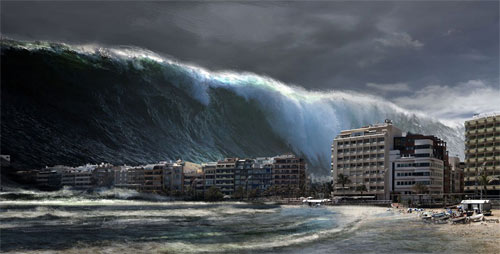 With corporate earnings for the first quarter of 2016


| You are subscribed to email updates from Save Your ASSets First. To stop receiving these emails, you may unsubscribe now. | Email delivery powered by Google |
| Google Inc., 1600 Amphitheatre Parkway, Mountain View, CA 94043, United States | |

No comments:
Post a Comment