


Gold World News Flash |

- Hong Kong starts trading gold in renminbi
- One Last Sell-Off For Silver Before We Head Back to $50?
- The European Union and Silver
- 43,454,601,693,238 Reasons Why The World Is Broke - Presenting The Interactive Global Debt Clock
- 10 Essential Fiscal Charts Demonstrating America's Disastrous Condition
- 10 Essential Fiscal Charts Demonstrating America's Disastrous Condition
- How Gold and Stocks are About to Repeat the 2010 Bottom
- Got Gold Report - Crisis Leads to Opportunity
- OccupyDenver - Saturday 10/15/2011
- Financial repression means long-term inflation, steadily rising gold, Rickards says
- Chinese M2 Growth Dropping To 9 Year Low Means More Pain In Store For SHCOMP
- The 9-9-9 Plan: Is The Herman Cain Tax Plan A Good Idea?
- Economic Justice Equals Prosperity
- Jim Rickards: New Buyers Entering the Gold Market
- Key Events In The Week Ahead
- Exposed! The ?Unknown? World of Gold, Silver and Commodity-related Company Warrants
- Gold & Silver Company Warrants: Which, When, Why, and How to Buy Them
- THE MOST IMPORTANT DECISION BERNANKE WILL EVER MAKE
- Jim Rickards - New Buyers Entering the Gold Market
- How Gold & Stocks are About to Repeat the 2010 Bottom
- When the Logic of the Bull Market Suddenly Seems Illogical
- Gold Standard Institute’s newsletter comments on Utah monetary conference
- Weekly metals review, Armstrong, and Leeb at King World News
- Saudi central bank says it’s not interested in distressed assets or gold
- Rickards on Wall Street protesters, Leeb on China’s commodity hunger
- COT Silver Report – October 14, 2011
- Gold Seeker Weekly Wrap-Up: Gold and Silver Gain About 3% on the Week
- Goldman's Jim O'Neill Goes Bear Hunting
- Goldman's Jim O'Neill Goes Bear Hunting
- Economists: End Or Drastically Downsize the Fed
| Hong Kong starts trading gold in renminbi Posted: 16 Oct 2011 04:10 PM PDT Hong Kong starts trading gold in renminbi - FX - Banking - News - FinanceAsia.com - The network for financial decision makers Hong Kong’s Chinese Gold & Silver Exchange Society officially starts trading gold denominated in renminbi today, in a bid to attract the HK$600 billion of Chinese currency sitting on deposit in the city’s banks. Haywood Cheung, president of the 101-year-old bullion exchange, said the so-called Renminbi Kilobar Gold contracts could boost trading volumes by up to 30%, or HK$40 billion a day, during the next six months. Growth has already been strong this year, with average daily electronic transactions reaching HK$136 billion after a full-year average of just HK$31 billion in 2010. “By attracting both local and international investors, the Renminbi Kilobar Gold is a significant step towards internationalising the renminbi,” said Cheung. “It also consolidates Hong Kong’s position as an offshore renminbi...
| ||||||||
| One Last Sell-Off For Silver Before We Head Back to $50? Posted: 16 Oct 2011 04:06 PM PDT by Peter Cooper, Arabian Money via SilverSeek:
After seven years of investing in precious metals you become something of an old-hand, not that this would impress the true veterans who recall the late 1970s. They are getting a bit old themselves now. A sprightly 87-year old President Carter was on the BBC last night for a long interview, and sounded very impressive unless you are old enough to remember his abysmal presidency. The man himself comes across as a bit of a 60s dreamer with flowers in his hair and peace and love stamped on his face. He is very genuine and has not made a cent out of being an ex-president. But he was a disaster, hopelessly out of his depth in Washington during a period when the world needed leadership.
| ||||||||
| Posted: 16 Oct 2011 04:01 PM PDT by George Maniere, MarketOracle.co.uk:
This was an amazing week! Besides the fact that we got to see some green on the board, the week was totally eclipsed by the latest off Broadway version of "The Mouse That Roared" as Slovakia took the world to the brink and for one bright shining moment held the fate of the world in its hands. On Thursday, October 13th somewhere in the second act, Slovakia approved Europe's enhanced bailout fund completing the ratification process across the 17 euro countries and all was right with the world. There is just one small little baby hic-cup. Europe is toast! The likelihood of Europe surviving grows slimmer every day. Let's get this straight right away. Europeans are not happy with the Euro and the common citizens feel the whole creation of the European Union was a big mess. The European politicians don't see this as a political problem but rather as a logistical one because they have to somehow sell the consolidating of the bonds to the public. Read More @ MarketOracle.co.uk
| ||||||||
| 43,454,601,693,238 Reasons Why The World Is Broke - Presenting The Interactive Global Debt Clock Posted: 16 Oct 2011 03:40 PM PDT By now everyone has had a chance to play with the US debt clock. But what about its global cousin? Courtesy of The Economist, we now have a convenient way to track the hundreds of millions in dollars added each and every hour by the global governments who see to spur global deleveraging by, you guessed it, adding more debt. Yes, in the process the world's sovereigns are transferring default risk away from global corporations to sovereigns, but few in the #OWS crowd appear to have yet figured out this rather disturbing and very insidious usurpation of sovereignty by the global corporatocracy, so said risk and leverage transfer will continue until such time as any and all paper backed by these insolvent corporate shells (f/k/a countries) is completely worthless. Regardless, one should not forget that like in the sandalone case, the "debt clock" below only tracks on balance sheet debt. Should one add the NPV of all "welfare state" obligations (pensions, retirement, healthcare), the number will be well over quarter of a quadrillion dollars. Have fun funding that, never mind paying it off...
From the Economist:
h/t ReboilRoom
| ||||||||
| 10 Essential Fiscal Charts Demonstrating America's Disastrous Condition Posted: 16 Oct 2011 01:28 PM PDT By now nobody should have any doubts as to just how disturbing America's fiscal debacle is. For those naive and innocent few who still think there is a Hollywood ending with a pot of gold awaiting everyone at the end of the rainbow, we present the following "10 essential fiscal charts" from the Pew Policy Institute. To be sure, these are all charts summarizing data that has appeared on Zero Hedge repeatedly over the years in some way shape or form. Pew does, however, have a flair for dramatic visual presentation. In Pew's own words: "Since April 2010, the Pew Fiscal Analysis Initiative has published several reports explaining the medium-and long-term fiscal challenges facing the federal government. With stagnating economic conditions and the passage of new legislation, especially the Budget Control Act of 2011, the outlook for the deficit and debt has changed considerably over the past six months. We have created 10 charts that illustrate how the choices made over the last 10 years contributed to our nation's debt and the challenges currently facing the Joint Select Committee on Deficit Reduction." So without further ado...
Source: Pew
| ||||||||
| 10 Essential Fiscal Charts Demonstrating America's Disastrous Condition Posted: 16 Oct 2011 01:28 PM PDT
By now nobody should have any doubts as to just how disturbing America's fiscal debacle is. For those naive and innocent few who still think there is a Hollywood ending with a pot of gold awaiting everyone at the end of the rainbow, we present the following "10 essential fiscal charts" from the Pew Policy Institute. To be sure, these are all charts summarizing data that has appeared on Zero Hedge repeatedly over the years in some way shape or form. Pew does, however, have a flair for dramatic visual presentation. In Pew's own words: "Since April 2010, the Pew Fiscal Analysis Initiative has published several reports explaining the medium-and long-term fiscal challenges facing the federal government. With stagnating economic conditions and the passage of new legislation, especially the Budget Control Act of 2011, the outlook for the deficit and debt has changed considerably over the past six months. We have created 10 charts that illustrate how the choices made over the last 10 years contributed to our nation's debt and the challenges currently facing the Joint Select Committee on Deficit Reduction." So without further ado...
Source: Pew
| ||||||||
| How Gold and Stocks are About to Repeat the 2010 Bottom Posted: 16 Oct 2011 01:19 PM PDT A couple days later the market recovered most of its value, but it became clear that investors were going to sell their long positions if the market showed signs of weakness. It was this fear which pulled the market back down to the May lows ... Read More...
| ||||||||
| Got Gold Report - Crisis Leads to Opportunity Posted: 16 Oct 2011 12:47 PM PDT HOUSTON (Got Gold Report) – Two weeks after making a marginally new lower low the S&P 500 Index is back up to the top of its crisis consolidation. Either the world crisis of confidence is not quite as bad as the doomsayers say it is or else the collective wisdom of countless thousands and millions of traders worldwide has it wrong. Incidentally, an important "tell" for this past market swoon, we believe, was a blatant non-confirmation of the new lower S&P lows turned in by the NASDAQ market. Instead of a lower low two weeks ago the "NAS" turned in a decidedly higher-low "answer." Note the higher turning low for the NAS in its consolidation and a now higher high. Over-confident shorts were taken out on stretchers on this move. The reversals can be blamed in part by a harshly flagging U.S. dollar, which careened lower and closed down more than 200 basis points for the trading week. Interestingly, and as a side note, the futures traders the CFTC classes as "commercial" had the movement in the U.S. dollar index (DXY) pegged if their futures positioning is any guide. As Vultures (Got Gold Report Subscribers) already knew, because they keep up with our technical charts on our GGR subscriber pages, the ICE exchange commercial traders were near-record net short the greenback index with more than 53,000 contracts of net short exposure this week as of Tuesday. That's 53,000 contracts of a just-under 70,000 contract open interest or about 76% of the open interest net short, representing a colossal bet that the flight into the buck as a "safe haven" was very, very overdone. So confident were the ICE commercial traders that the dollar was overbought, that even as the DXY FELL 201 basis points (a big move) Tuesday to Tuesday, from 79.59 to 77.58, the veteran currency traders ADDED yet another 3,662 contracts or 7.4% to their "net short-ness." They were amply rewarded for doing so too, as the DXY fell another 96-ticks by the Friday close, all the way back down to 76.62 (according to Stockcharts.com's data provider). Hey, wait a minute. Aren't we supposed to be in the midst of a bloody crisis? And in a worldwide sure-enough crisis isn't it conventional wisdom that the only "safe" place to be is in the under-backed, but still very liquid U.S. dollar? If capital is suddenly and very strongly exiting the greenback, if it is instead flowing back into the Euro, back into "stuff" and back into equities, does that mean that the crisis is over? More importantly for our own cause here at Got Gold Report, if the crisis is waning now, can we expect there to be a resurgence of confidence in the small, thinly traded, less liquid and more speculative junior miners and explorers we love to 'game' around here? The calendar "says" it's time for the juniors to get more attention. The recent news and deal-flow says that juniors are "hotting up," but is that translating into a bounce for the issues we affectionately call The Little Guys? The chart below is of the Canadian Venture Exchange Index or CDNX, a decent proxy for the smaller junior miners and explorers we track and trade. A bounce? In a word, yes, a little. We have definitely gone from super-buyer's strike to a bargain hunter's, insider's and deep-value trader's recoil. No question about it. Just look at that chart. But the smaller, less liquid and more speculative miners and explorers have been so mistreated, so battered and abused, so maligned by a fearful and worried-sick market (nearly cut in half since March as a group), they have a very long way to go up, just to get back to the surface of this turbulent market pond. Recall also, that the CDNX is and has been underperforming the Big Miner indexes since 2008, so the carnage shown is actually much, much worse than it looks as hard as that may be to believe. The Little Guys have an enormous amount of recovering to do as a group before the general public will have confidence in them again. By then, however … by the time the public has enough confidence to buy the heck out of the smaller issues (like they did in January of this year near the recent peak), it will likely be time to once again offload a basket of them (or at least a portion of them) to await the next crisis of opportunity – to await the next 50% to 70% off (or more) red-tag-sale for The Little Guys. Meanwhile, we are not yet certain that this crisis is done. Calendar and seasonal influences notwithstanding, we can never be certain of such things – in advance. What we can say, almost universally, is that The Little Guys are officially and undeniably "on sale." The long-term buyer's strike has wreaked market-wide slaughter on the share prices of so many of the smaller companies that the entire space seems like, walks like, and quacks like a bargain. Don't think for even a minute that the larger, better funded and more liquid companies, the mid-tiers and majors of the resource world, are not fully aware that the resource equity market is cheap right now. They do indeed know it and they are licking their chops at the prospects, we believe. The resource world is awash in "confidentiality agreements" and "non-disclosure" pacts between prospective marriage partners. We have already seen business combinations, mergers and buyouts of the friendly and hostile kind surface in recent weeks and months. Our bet is that the M & A activity we have already seen is nothing compared to what is about to get going. With $1,600-plus gold the gold producers are very cash-flow positive and that means they have the rare condition of having cash ammunition to grow their resource base from the already found and proven "stuff" held by the hard-working, but now beaten up juniors. The market is nothing if not efficient over time, and it is at times like these that we can observe how resources flow to the companies aggressively building their base for the future, and capital being distributed back into the junior market where it is needed most – for discovery of even more of the precious stuff the world needs and wants. The "rewards" to the talented and dedicated people who have risked much, personally and career-wise, to find the resources the world needs are coming. For many of them the end of the resource discovery trail will come too soon, well before the market assigns a higher (or a too-high-to-make-economic-sense) value, if history is any guide. But such is the nature of our chosen small-miner universe. We cannot know if we have reached and bounced from "The Bottom" or just "A Bottom," but we do know that the bounce signature shown in the CDNX graph above is exactly what we might look for when looking for an ultimate capitulation, selling exhaustion and reversal which is so typical of major turning points. The "V" signature on charts, a so-called "V-Bottom," if and only if confirmed with consolidation and eventual follow through, is one of the most reliable signals in charting. Confirmation of "V-bottoms" always comes swiftly (in a matter of weeks), or not at all, so at least we do not have a long wait to find out if this one is going to "stick it and run," or instead stick those who believe in it right in the left eye. On that "high note" let's pause here and move directly into the Got Gold Report. Got Gold Report First things first, the Got Gold Report – the full report – is published biweekly at least 24 times per year. Between reports we communicate more regularly on the GGR web log, which is always free and open to the public, or in our COT Flash reports and Vulture Bargain Hunter reports reserved exclusively for subscribers. COT Flash reports appear on off weeks for the Got Gold Report when there are what we consider important changes in the commitments of traders reports which cannot wait until the next full report. Vulture Bargain offerings appear ad hoc as there are developments we feel merit comment for and in the resource company issues we track closely. Our aim is to briefly summarize our positioning for the gold and silver markets, and also to highlight a few of the dozens of indicators, ratios and graphs we keep in constant touch with. Vultures, after logging in, please see the commentary in our numerous technical charts located in their own section of the password-protected subscriber pages. We update most of the Got Gold Report linked charts each week, sometimes even the weekends when we don't publish the full report. Changes to the linked charts are almost always completed by 6:00 pm ET on Sunday evening (except when Monday is a holiday) and occasionally during the week as events unfold. To continue reading, please log in or click here to subscribe to a Got Gold Report Membership.
| ||||||||
| OccupyDenver - Saturday 10/15/2011 Posted: 16 Oct 2011 11:57 AM PDT Went down the check out the OccupyDenver scene across from the State Capitol building after seeing a couple of riot squad SUV's loaded with riot cops drive by. The crowd was larger than I had expected - about 1000, while we were there in the mid-afternoon and it expanded to an estimated 3,000 at night. The crowd was very peaceful and non-confrontational. From what I saw, the cops - who were almost as many number as protesters during the day - were on edge and heavily harmed with billy clubs, guns and pepper spray, which was used to disperse the crowd at night and many people were arrested. Here's some of the pics we took:
I expect that this "Occupy" movement will continue to grow in number and expand into a lot more cities. Until Obama starts to deliver on the promises which got him elected, such as cleaning up DC and Wall Street and dismantling the totalitarian legislation implemented by the Bush neo-con Government, I expect that this movement will become restless and violent. I had to laugh because Ann Coulter was on Fox News telling the viewers that Bush allowed Lehman to fail and that Obama was responsible for bailing out Goldman and AIG. I would like to correct that statement on behalf of the mildly retarded Coulter, because it was actually Henry Paulson, former Goldman CEO, who planned out - in conjunction with Tim Geithner - who was head of the NY Fed at the time - the game plan to let Lehman collapse and then devised the plan to bailout Goldman Sach and the other big banks who were catastrophically exposed to AIG - along with the scheme to have the Government takeover AIG. All this was set-up before Obama took office, although recall that Obama and McCain suspended their campaigns to help devise this plan. Geithner - despite being a confirmed tax cheater/dodger - was inserted into the Treasury Secretary position in order to oversee the implementation of the plan devised under Bush. Obama - in a gesture of complete hypocrisy - claims to embrace the Occupy Wall Street agenda. If that were even remotely true, Obama would immediately stop taking campaign money from Wall Street firms - which are Obama's largest contributors - and give back any money not spent that has already been accepted. Unfortunately, as I explained to my companion, we will not see any change until the majority of the citizens of this country engage in some kind of revolt/revolution, as this has been what it has taken all throughout history to effect the kind of change that is now required to change our system. 
This posting includes an audio/video/photo media file: Download Now | ||||||||
| Financial repression means long-term inflation, steadily rising gold, Rickards says Posted: 16 Oct 2011 11:48 AM PDT 7:40p ET Sunday, October 16, 2011 Dear Friend of GATA and Gold: Geopolitical analyst James G. Rickards today tells King World News that the U.S. government policy of financial repression will force major banks to stop trading for their own accounts and buy mostly U.S. government bonds at negative real interest rates, engineering long-term inflation of 5 percent per year to devalue the dollar by half over 15 years. Meanwhile, Rickards says, governments around the world will buy gold stealthily, pushing the price up, but also cautiously, lest their buying push the price up too fast. You can listen to the interview at King World News here: http://www.kingworldnews.com/kingworldnews/Broadcast/Entries/2011/10/16_... CHRIS POWELL, Secretary/Treasurer ADVERTISEMENT Prophecy Platinum Drills 120.9 Meters Company Press Release VANCOUVER, British Columbia, Canada -- Prophecy Platinum Corp. (TSX-V: NKL, OTC-QX: PNIKF, Frankfurt: P94P) has announced the drill results received from its 2011 drilling Wellgreen platinum group elements, nickel, and copper project in the Yukon Territory. Borehole WS11-188 encountered 457 meters of mineralization grading 0.47% nickel equivalent (including 0.72 grams per ton platinum, paladium, and gold) from surface to the footwall contact. Within this larger swath of mineralization, the hole encountered a high-grade section of 17.8 meters of 3.14 grams per ton platinum, palladium, and gold, 1.03% nickel, and 0.74% copper (1.77% nickel equivalent). The hole was drilled completely outside of current resource boundaries, between the East Zone resource and the West Zone resource that was reported in the company's press release no July 14, 2011. The high-grade intercept located between the two resources not only demonstrates that the East and West Zone resource form a single, geologically contiguous body but also indicates that the higher-grade material in the East Zone continues to the west and at depth at Wellgreen. For drill result tables and maps, please see the company's full press release here: http://www.prophecyplat.com/news_2011_sep26_prophecy_platinum_wellgreen_... Join GATA here: The Silver Summit http://cambridgehouse.com/conference-details/the-silver-summit-2011/48 New Orleans Investment Conference http://www.neworleansconference.com/ Support GATA by purchasing gold and silver commemorative coins: https://www.amsterdamgold.eu/gata/index.asp?BiD=12 Or by purchasing a colorful GATA T-shirt: Or a colorful poster of GATA's full-page ad in The Wall Street Journal on January 31, 2009: http://gata.org/node/wallstreetjournal Or a video disc of GATA's 2005 Gold Rush 21 conference in the Yukon: Help keep GATA going GATA is a civil rights and educational organization based in the United States and tax-exempt under the U.S. Internal Revenue Code. Its e-mail dispatches are free, and you can subscribe at: To contribute to GATA, please visit: ADVERTISEMENT Sona Drills 85.4g Gold/Ton Over 4 Metres at Elizabeth Gold Deposit, Company Press Release, October 27, 2010 VANCOUVER, British Columbia -- Sona Resources Corp. reports on five drillling holes in the third round of assay results from the recently completed drill program at its 100 percent-owned Elizabeth Gold Deposit Property in the Lillooet Mining District of southern British Columbia. Highlights from the diamond drilling include: -- Hole E10-66 intersected 17.4g gold/ton over 1.54 metres. -- Hole E10-67 intersected 96.4g gold/ton over 2.5 metres, including one assay interval of 383g of gold/ton over 0.5 metres. -- Hole E10-69 intersected 85.4g gold/ton over 4.03 metres, including one assay interval of 230g gold/ton over 1 metre. Four drill holes, E10-66 to E10-69, targeted the southwestern end of the Southwest Vein, and three of the holes have expanded the mineralized zone in that direction. The Southwest Vein gold mineralization has now been intersected over a strike length of 325 metres, with the deepest hole drilled less than 200 metres from surface. "The assay results from the Southwest Zone quartz vein continue to be extremely positive," says John P. Thompson, Sona's president and CEO. "We are expanding the Southwest Vein, and this high-grade gold mineralization remains wide open down dip and along strike to the southwest." For the company's full press release, please visit: http://sonaresources.com/_resources/news/SONA_NR19_2010.pdf
| ||||||||
| Chinese M2 Growth Dropping To 9 Year Low Means More Pain In Store For SHCOMP Posted: 16 Oct 2011 11:47 AM PDT When it comes to the gyrations in the stock market, there are those who, quite foolishly as of late, believe that market moves are driven by such arcania as fundamentals and/or technicals, or, much more relevant lately, are purely a function of overall liquidity in the system. Which brings us to China where unlike the US, the stock market has been in full on collapse mode until last Monday when the government, rightfully so, decided to bail out its own banks while letting European ones fend for themselves. Yet, unfortunately for China bulls such as Jim O'Neill, we have some bad news: the core indicator of overall systemic liquidity, M2, just tumbled to a 9 year low as of Friday, printing at 13% on expectations of 14%. Not only that, but the direct loans in the financial system, dropped far below the 550Bn CNY estimate, at just 470Bn, the lowest since December 2009. Granted, this is all "on the books" stuff (yes, we know, we know, communist regime and goal-seeked econometrics - check), so who the hell knows what is happening with the uncontrollable shadow banking system. Well, nobody, but since robots only have overt data to play with, regardless of how manipulated it may be, the following two charts will probably be a wake up call to anyone expecting a China driven "risk renaissance" absent the PBoC deciding to do away with its inflation-fighting regime, and launching into print speed ahead (something several hundred millions migrant workers would not be delighted with). China M2 Change...
And M2 vs SHCOMP YoY change.
charts: Bloomberg
| ||||||||
| The 9-9-9 Plan: Is The Herman Cain Tax Plan A Good Idea? Posted: 16 Oct 2011 11:39 AM PDT from The Economic Collapse Blog:
As he continues to heavily tout his "9-9-9 plan", Herman Cain has seen his popularity soar. But is the Herman Cain tax plan a good idea for America? Without a doubt, the "9-9-9 plan" is simple and it is easy to remember. To most Americans, it sounds like a low tax plan. But is that the truth? As you will see below, Herman Cain's 9-9-9 plan will actually raise federal taxes on some middle income Americans to as high as 37 percent. If the other Republican candidates understood this, they would be jumping all over Cain. But instead the best that most of them seem to be able to do is to make jokes about it. For example, Jon Huntsman said that he thought that the 9-9-9 plan "was the price of a pizza when I first heard about it." That is a funny line, but the reality is that the future of our tax system is very serious business. Our economy is dying and our nation is drowning in debt. We need some very real solutions to our very real problems. So let's take a closer look at the 9-9-9 plan that Herman Cain is proposing…. Read More @ TheEconomicCollapseBlog.com
| ||||||||
| Economic Justice Equals Prosperity Posted: 16 Oct 2011 11:23 AM PDT by Jeff Nielson, Bullion Bulls Canada:
As an admittedly enthusiastic supporter of the "Occupy Wall Street" movement, I will be the first to acknowledge that the message emanating from this grassroots populism is lacking in sophistication. This is neither surprising, nor in any way does it denigrate the noble intent of these people. Having written extensively on the massive economic/social injustice which permeates our societies along with the reasons of how and why this injustice exists, I understand precisely why the protesters of Occupy Wall Street all know that "something" is seriously wrong, but they cannot precisely identify what that something is. Part of the deliberate intent of our economic oppressors was to plunder our wealth using two vehicles which the vast majority of us find totally incomprehensible and absolutely boring: banking and taxation. If you want to put someone to sleep, or drive people away from you at any/every social gathering, simply start to discuss the massive deficiencies of our monetary system or our taxation system. Indeed, I live with this frustration on a daily basis. Read More @ BullionBullsCanada.com
| ||||||||
| Jim Rickards: New Buyers Entering the Gold Market Posted: 16 Oct 2011 11:06 AM PDT from King World News:
With gold and silver continuing to consolidate, today King World News has released the eagerly anticipated audio interview KWN Resident Expert Jim Rickards, Senior Managing Director at Tangent Capital Markets. Jim Rickards had a great deal to say about the gold market. Rickards stated, "The Fed has been systematically trying to destroy the US dollar. Inflation is like a thief in the night that breaks in while you are asleep. Inflation is very sneaky and people aren't as aware of it. Sophisticated people are, insiders are and people who see it coming know how to hedge against it, but average Americans don't and they are victimized by it." Jim Rickards continues: Read More @ KingWorldNews.com
| ||||||||
| Posted: 16 Oct 2011 10:35 AM PDT When even Goldman says the rally is based on male cow feces, Houston, we have a very big problem. From GS' Thomas Stolper on what endless BS to expect out of Europe, together with a few facts here and there: To some extent it is remarkable that markets continued to rally last week and that Eurozone-related risk premia declined, because at the surface, there has been very little concrete progress regarding the Eurozone fiscal crisis. The extent of Greek haircuts, the details of bank recapitalisations, the use of leverage in the EFSF or not – all these and many other issues remain basically unresolved at the moment. Only one thing is clear, policymakers continue to work overtime while trying to find solutions. Following this weekend's G20 finance ministers meeting, which also emphasised the increased focus on bank recapitalisations, the Eurogroup summit next Sunday will be the key event. To understand market reaction, it could be as easy as looking at the last IMM report, which indicated only a small reduction in USD longs. As we have been highlighting in the past, risk premia have been very large across asset classes and certainly in cyclical FX crosses as well. Without additional bad news from either the political or macro front, some short covering in risky assets and unwinding of long Dollar positions was a not unexpected move. Over the course of the week, the trade-weighted USD lost another percent and has not corrected about one-third of the recent rally. In the week ahead, Eurozone politics will likely remain a key focus, and further gradual progress could lead to further unwinding of USD long positions. This week, there is still not a huge amount of macro data, though we will get the Philly Fed and Ifo surveys on Thursday and Friday, respectively. There should be some focus on the August TIC data, which will cover the beginning of the summer sell-off. We will scrutinise the release for signs of repatriation flows back into the US. Another weak number would highlight – once again – under how much pressure the USD currently is. There will probably be some focus on UK data as well, with the CPI numbers and the latest MPC minutes, which should shed light on the recent QE decision by the BOE. Monday 17th
Tuesday 18th
Wednesday 19th
Thursday 20th
Friday 21st
Sunday 23rd
Source: Goldman Sachs
| ||||||||
| Exposed! The ?Unknown? World of Gold, Silver and Commodity-related Company Warrants Posted: 16 Oct 2011 10:30 AM PDT Warrants have been the best kept ‘secret’ of the investment world until now. After all, when was the last time you read an article on warrants or had your financial advisor broach the subject? Pay attention to the particulars provided in this article, prepare with proper due diligence and enjoy the prospects of future prosperity that a basket of long-term warrants can provide. Words: 1744 So*says*Lorimer Wilson*editor of both www.FinancialArticleSummariesToday.com*(A site for sore eyes and inquisitive minds) and* www.munKNEE.com*(Your Key to Making Money!).*Please note that this paragraph must be included in any article reposting with*a link* to the article source to avoid copyright infringement.* Wilson goes on to say: The galaxy of warrants trading on the TSX/TSXV*now consists of*only 135 stars (i.e. constituents) in total of which only*38 are associated with 34 commodity-related stocks that have sufficient brightness (i.e. 24+ months duration) to warrant (the pun is i...
| ||||||||
| Gold & Silver Company Warrants: Which, When, Why, and How to Buy Them Posted: 16 Oct 2011 10:30 AM PDT With all the interest in physical gold, silver and other commodities*these days, and the large/mid-cap companies who mine the metals*and the juniors who are exploring for them, it begs the question: “Why has no one written about the 91% returns*and the 60% leverage generated by the long-term warrants offered by a select few miners and royalty companies in 2010?” The information in this article and the links to a variety of resources will change all that and make you ready and able to reap the benefits*from investing in*this much misunderstood asset class. Words: 2585 So*says*Lorimer Wilson, editor of both www.FinancialArticleSummariesToday.com[B]**(A site for sore eyes and inquisitive minds)[/B] and www.munKNEE.com*(Your Key to Making Money!).*Please note that this paragraph must be included in any article reposting with*a link* to the article source to avoid copyright infringement.*If this article does not contain the 9 hyperlinks provided which are crucial to the full pi...
| ||||||||
| THE MOST IMPORTANT DECISION BERNANKE WILL EVER MAKE Posted: 16 Oct 2011 09:55 AM PDT By Toby Connor, Gold Scents 

Sometime in the next few days the dollar will put in a daily cycle low and bounce. My expectation is that it will either bounce off of the 200 day moving average or bottom slightly above that level. It's what comes next after that bounce that is absolutely critical. Bernanke is now about to make the most important decision of his life. The correct decision is to allow the dollar to appreciate, which in turn would continue to drive the stock market down into its next four year cycle low in the fall of 2012, and would facilitate a much-needed recession to cleanse at least some of the massive debt that has been accumulated in the last two years. That is the correct decision. It is also a very hard decision because it will lead to severe short-term pain and undoubtedly another depression on the same scale as 1932. However if Bernanke chooses to kick the can down the road again and continues his failed policy of monetary debasement then the dollar is at great risk of forming an extreme left translated three year cycle. For those of you that are new to cycles analysis, a left translated cycle is generally associated with a bear market. Left translated means that the cycle tops in the front half of its cycle timing band. In this case any top that forms prior to 18 months would signal a left translated three year cycle. Furthermore the more extreme translated a cycle is the more severe the decline tends to be, simply because the cycle has a lot more time to move lower. If Bernanke decides to avoid short-term pain and kicks the can down the road again with further currency debasement, then the dollar is at great risk of having already put in the top of this three year cycle. 
If however the bounce out of the now due daily cycle low is weak and the dollar rolls over quickly and moves back below the 200 day moving average then all bets are off. Stocks could even rally back to marginal new highs. However that would also guarantee that the CRB has put in its three year cycle low and we are now at the very beginning of an inflationary Holocaust. 
       Toby Connor A financial blog primarily focused on the analysis of the secular gold bull market. If you would like to be added to the email list that receives notice of new posts to GoldScents, or have questions, email Toby.
| ||||||||
| Jim Rickards - New Buyers Entering the Gold Market Posted: 16 Oct 2011 09:40 AM PDT  With gold and silver continuing to consolidate, today King World News has released the eagerly anticipated audio interview KWN Resident Expert Jim Rickards, Senior Managing Director at Tangent Capital Markets. Jim Rickards had a great deal to say about the gold market. Rickards stated, "The Fed has been systematically trying to destroy the US dollar. Inflation is like a thief in the night that breaks in while you are asleep. Inflation is very sneaky and people aren't as aware of it. Sophisticated people are, insiders are and people who see it coming know how to hedge against it, but average Americans don't and they are victimized by it." With gold and silver continuing to consolidate, today King World News has released the eagerly anticipated audio interview KWN Resident Expert Jim Rickards, Senior Managing Director at Tangent Capital Markets. Jim Rickards had a great deal to say about the gold market. Rickards stated, "The Fed has been systematically trying to destroy the US dollar. Inflation is like a thief in the night that breaks in while you are asleep. Inflation is very sneaky and people aren't as aware of it. Sophisticated people are, insiders are and people who see it coming know how to hedge against it, but average Americans don't and they are victimized by it."
This posting includes an audio/video/photo media file: Download Now | ||||||||
| How Gold & Stocks are About to Repeat the 2010 Bottom Posted: 16 Oct 2011 09:35 AM PDT By Chris Vermeulen, TheGoldAndOilGuy In May of 2010, immediately following the flash crash many investors started to become bearish (nervous) regarding their position in gold and equities. Once the general public became aware that the stock market could fall 10% in a matter of minutes, investors became very cautious. Suddenly protecting their capital and current positions was at the forefront of their investment process. A couple days later the market recovered most of its value, but it became clear that investors were going to sell their long positions if the market showed signs of weakness. It was this fear which pulled the market back down to the May lows and beyond over the next couple months which caused investors to panic and sell the majority of their positions. It is this strong wave of panic selling that triggers gold and stock prices to form intermediate bottoms. Emotional retail traders always seem to buy near the top and sell at the bottom which leads to further pain. Now, fast forward to today… This past August we saw another selloff similar to the "Flash Crash" in May of 2010. (I warned followers that gold was on the edge of topping and that stocks would take some time for form a base and bottom – Click Here To Read) Over the past couple months gold, silver, and stocks have been trying to bottom but have yet to do so. Just a couple weeks ago we saw gold, silver, and equities make new multi-month lows. This has created a very negative outlook among investors which I highlighted in red on the chart below. Since the panic selling low was formed just recently we have seen money pile back into gold and stocks (more so stocks). This strong bounce or rally which ever you would like to call it may be the beginning stages of a major bull leg higher which could last several months. Before that could happen, I am anticipating a market pullback which is highlighted with red arrows on the chart below. Chart of SP500, Gold and Dollar Index Looking Back 18 Months
Reasons for gold and stocks to pullback:
Weekly Trend Trading Ideas A few weeks ago I warned my followers that stocks and gold are forming a bottom and that we should be on the lookout for further confirmation signs. I also mentioned that I was not trying to pick a bottom, rather that I was looking to go long once the odds were more in my favor. This is a potentially very large opportunity unfolding and there will be several different ways to play this. However, right now I continue to wait for more confirming indicators and for more time to pass before getting subscribers and my own money involved. From August until now (October 17) the SP500 is down -6.3% and gold is down -8.1%. Subscribers of my newsletter have pocketed over 35% in total gains using my simple low risk ETF trading alerts. I can email you my bi-weekly reports and videos by joining my free newsletter here: www.GoldAndOilGuy.com Chris Vermeulen
| ||||||||
| When the Logic of the Bull Market Suddenly Seems Illogical Posted: 16 Oct 2011 09:35 AM PDT Nothing much to talk about in the markets yesterday. We had been expecting a bigger sell-off in the price of gold. The metal went down, about $300 if we recall correctly, but not as much as we expected. In the last major bull market in gold, in the '70s, the price declined by about 50% before going on to set a new record. The pullback in 1974 caused investors to question the premise of the whole bull market. Many dropped out and missed the big payoff. Markets always test their admirers. The old-timers — such as Richard Russell — refer to the "50% principle." A bull market can be expected to retrace as much as 50% of its gains…before going on to fulfill its destiny. If it goes down more than 50%, however, the bull market may be over. Unfortunately, these are not hard and fast rules. Just old timers' tales. Still, they are useful for understanding how markets work…and for keeping you from making a big mistake. This gold market barely corrected 20% of its gains. Is that all there is? We don't know. Doesn't seem like enough. We didn't feel tested at all; did you? That was part of the reason we thought the economy was sliding into a Rip Van Winkle slumber. It would be a real test. Imagine that China slows down. Imagine that Europe lurches from one crisis to another. Imagine that the US economy follows Japan down that long, slow, slumpy road. What do you have? Falling prices for almost everything — including gold. And with falling prices for other assets, investors, savers, insurance companies, pension funds all put their money into US Treasury debt. This keeps rates low and it allows the US to fund its deficits almost indefinitely. The economy never recovers, but it doesn't die either. Bernanke and crew may want to do something dramatic and foolhardy. But they wouldn't have to. As in Japan, they could just bide their time… Pretty soon, people would come to think that the world economy had entered a more or less permanent phase of low growth and low inflation. And then, what would happen to the price of gold? It would fall. People buy the inert metal to protect themselves from very ert humans. But if the humans who run central banks and Treasury departments sit still, why hold gold? The logic of the gold bull market is that the feds have done, and will do, stupid and disastrous things to the monetary system. Perhaps they will. But as long as they are able to finance large deficits painlessly, they have no reason to do so. Instead, they will take economist Richard Koo's advice and use deficit financing to pay for fiscal stimulus projects. Infrastructure projects…transfer programs…tax the rich…bread and circuses for the poor — this could go on for a long time. When speculators and savers realize that they need not hold gold to protect themselves from the feds, they will sell it. The price will fall — perhaps below $1,000. Then, we will have a real test. If the economy is stuck in a low-inflation phase, why own gold? If the feds do not have to print money, why would they? If prices — in dollar terms — are stable or going down, why not just stick with dollars? We can see the headlines now: "Investors give up on gold." "Even gold-bugs are disappointed by the yellow metal." "No need for gold as world economy enters 7th year of stable prices." And then, you, dear reader. What will you do? The logic of the bull market will have disappeared. Will you give up on gold too? In the near term, things are actually looking up for gold. In fact, since it didn't fall as much as we expected…perhaps our Japan-like disinflationary slump has been delayed…or derailed? Right now, the central banks are all itching to meddle. Bernanke's "twist" program is a waste of time. It merely takes the Fed's money and switches it from short-term US Treasury debt to longer-term Treasury debt. It is a very bad idea — leaving the Fed itself exposed to huge losses. But that's another story. But it is unlikely to have any advantage for the economy. Mortgage rates are already the lowest in half a century. Pushing them down a little more isn't going to make any difference. Several members of Bernanke's FOMC group are already calling for more forceful intervention — some form of QE III. If the economy deteriorates, there is bound to be more action from the Fed. Meanwhile, the Europeans are "recapitalizing" their banks. So are the Chinese. The capital has to come from somewhere…or they have to invent it. The more new money they create, the less their old money is worth…and the more attractive gold becomes. Bill Bonner When the Logic of the Bull Market Suddenly Seems Illogical originally appeared in the Daily Reckoning. The Daily Reckoning provides over 400,000 readers economic news, market analysis, and contrarian investment ideas. More articles from The Daily Reckoning….
| ||||||||
| Gold Standard Institute’s newsletter comments on Utah monetary conference Posted: 16 Oct 2011 09:34 AM PDT GATA 11:57a ET Sunday, October 16, 2011 Dear Friend of GATA and Gold (and Silver): The 10th edition of the Gold Standard Institute's newsletter has been published and it has a couple of commentaries on the recent monetary conference in Utah. You can find it here: http://www.goldstandardinstitute.net/GSI/wp-content/uploads/2010/06/TheG… CHRIS POWELL, Secretary/Treasurer Help keep GATA going GATA is a civil rights and educational organization based in the United States and tax-exempt under the U.S. Internal Revenue Code. Its e-mail dispatches are free, and you can subscribe at: To contribute to GATA, please visit:
| ||||||||
| Weekly metals review, Armstrong, and Leeb at King World News Posted: 16 Oct 2011 09:34 AM PDT GATA 11:42a ET Sunday, October 16, October 12, 2011 Dear Friend of GATA and Gold (and Silver): It only seems like a slow news day in the gold and silver world. There's actually plenty of interest to listen to over at King World News: The weekly precious metals market review with Bill Haynes of CMI Gold and Silver and futures market analyst Dan Norcini: http://www.kingworldnews.com/kingworldnews/Broadcast/Entries/2011/10/15_… An interview with the market analyst persecuted by the U.S. government, Martin Armstrong: http://www.kingworldnews.com/kingworldnews/Broadcast/Entries/2011/10/15_… And an interview with fund manager Stephen Leeb, whose gold forecast sounds like Christmas: http://www.kingworldnews.com/kingworldnews/Broadcast/Entries/2011/10/15_… CHRIS POWELL, Secretary/Treasurer Help keep GATA going GATA is a civil rights and educational organization based in the United States and tax-exempt under the U.S. Internal Revenue Code. Its e-mail dispatches are free, and you can subscribe at: To contribute to GATA, please visit:
| ||||||||
| Saudi central bank says it’s not interested in distressed assets or gold Posted: 16 Oct 2011 09:30 AM PDT GATA Would they really announce any buying in advance and thereby drive up the price they'd have to pay? Or would they deny interest until they got their metal? See: * * * By Martin Dokoupil http://www.reuters.com/article/2011/10/15/us-saudi-cbanker-idUSTRE79E291… PARIS — Saudi Arabia's central bank is not interested in buying distressed or speculative assets such as troubled European debt and gold and the OPEC member's banks are well positioned to withstand the euro zone crisis, its head said on Saturday. The world's No. 1 oil exporter like most of its Gulf Arab neighbors is a major holder of dollar assets as its riyal currency is pegged to the greenback and crude accounts for 85 percent of its budget revenue. Asked if the Saudi Arabian Monetary Agency had considered buying European sovereign bonds such as Italian ones, Governor Muhammad al-Jasser told Reuters: "We do not buy specific bonds at all. We have not done it." "We always have a much more integrated reserve investment strategy which looks at it in a continuous and dynamic way that values security, safety and liquidity and therefore we do not look opportunistically at distressed assets or special assets that come up one way or the other," Jasser said after a meeting of the Group of 20 countries in Paris. The central bank of Saudi Arabia, which is the only Middle Eastern member of the G20 group of developed and emerging economies, rarely comments on its reserve strategy. Gold, which has tumbled from a record high of above $1,920 an ounce, is another asset of little interest to the Saudi central bank due to its volatility, Jasser said. "We have gold in our reserves but we have not bought and we have not sold it in a very long time. It has become a very speculative asset and we do not get into any speculative assets," he said. Asked whether the central bank was going to stick to this strategy, Jasser said: "Yes". Boosted by robust oil prices of above $100 per barrel this year, the Saudi central bank's net foreign asset reserves have climbed steadily to a record high of 1.879 trillion riyals ($500 billion) in August. Gold reserves have been unchanged at 1.556 billion riyals since 2008, the central bank's data show. Jasser also said U.S. Treasuries continued to be "an important safe haven and major asset" in global financial markets. "62 percent of global reserves are still in U.S. assets. It is safe to say they are there to stay for a while," he said. A downgrade of the United States' top-notch "AAA" credit rating by Standard & Poor's in August shocked the global markets but had no adverse impact on its bonds. Jasser also said banks in the world's top Arab economy were well positioned to deal with any upcoming shocks as well as the European debt crisis. Capital adequacy for banks was north of 17 percent with most of it Tier 1 capital. "That's very robust. Second, our banks sources of funding are predominantly domestic from domestic deposits which is a reasonably stable source of funding," he said, standing in front of the G20 meeting venue at a sprawling complex of Ministry of Economy, Finance and Industry. "Most of the lending is domestic also so the exposure to the outside is very limited and therefore we are very confident that our banking system is well positioned to withstand any stress emanating from what's happening in Europe," he said. Robust lending growth to the private sector of more than 9 percent in the first 10 months of the year indicated strong demand, while inflation has stabilized in a tight range of 4.6-4.9 percent and should begin trending down, Jasser said. "Our economy is doing very well and is expected to continue next year. This year, I have forecast that we will have at least 5 percent growth and probably something close to that next year," he said. Analysts polled by Reuters in September expected the $447 billion Saudi economy to expand by 6.5 percent this year and 4.5 percent in 2012 helped by an estimated $130 billion boost in social spending, or nearly 30 percent of GDP. Jasser said interest rates settings were appropriate at the moment with no signs of inflation coming from monetary impetus. "I still think it is an appropriate setting now until we see inflation due to monetary impetus," he said. Asked whether that meant credit growth needed to be in double digits, Jasser said: "Something like that. And it also depends on credit whether it is going to productive activities and leading to growth one would not worry too much about it, if it is going to finance speculative activities one has to worry." The Saudi central bank has been keeping its repo rate at 2 percent since January 2009 and reverse repo rate at 0.25 percent since June 2009. It needs to hold its key rates near U.S. benchmarks to avoid excessive pressures on its dollar peg. Help keep GATA going GATA is a civil rights and educational organization based in the United States and tax-exempt under the U.S. Internal Revenue Code. Its e-mail dispatches are free, and you can subscribe at: To contribute to GATA, please visit:
| ||||||||
| Rickards on Wall Street protesters, Leeb on China’s commodity hunger Posted: 16 Oct 2011 09:28 AM PDT GATA 5p ET Friday, October 14, 2011 Dear Friend of GATA and Gold: A couple of things of special interest at King World News today. … Geopolitical analyst James G. Rickards comments on the Occupy Wall Street protest in New York and finds the protesters a little less screwy than what they're protesting: http://kingworldnews.com/kingworldnews/KWN_DailyWeb/Entries/2011/10/14_J… And fund manager Stephen Leeb says the ball game is commodities and China continues to play hardball even if the West isn't: http://kingworldnews.com/kingworldnews/KWN_DailyWeb/Entries/2011/10/14_S… CHRIS POWELL, Secretary/Treasurer Help keep GATA going GATA is a civil rights and educational organization based in the United States and tax-exempt under the U.S. Internal Revenue Code. Its e-mail dispatches are free, and you can subscribe at: To contribute to GATA, please visit:
| ||||||||
| COT Silver Report – October 14, 2011 Posted: 16 Oct 2011 09:27 AM PDT | ||||||||
| Gold Seeker Weekly Wrap-Up: Gold and Silver Gain About 3% on the Week Posted: 16 Oct 2011 09:27 AM PDT Gold climbed $16.60 to $1683.60 by about 9:15AM EST before it fell back to almost unchanged by late morning in New York, but it then rallied back higher in afternoon trade and ended with a gain of 0.86%. Silver rose to as high as $32.52 before it also fell back near unchanged, but it too rallied back higher in late trade and ended with a gain of 1.1%.
| ||||||||
| Goldman's Jim O'Neill Goes Bear Hunting Posted: 16 Oct 2011 08:09 AM PDT The last time (May 2010) when the head of the worst performing division at Goldman, GSAM's Jim O'Neill openly taunted the market skeptics ("Anyhow, dear grizzlies....bet your [sic] worried about today's rally? See u later.") the market proceeded to implode with such ferocity (not to mention see the first and biggest SEC fine charged against his firm for CDO rigging) that it took QE2 to prevent a depressionary relapse. Now, following the latest two week surge in risk assets, driven as we currently speculate primarily due to a FX repatriation out of French banks on asset liquidation and USD to EUR conversion, Jim O'Neill has once again crawled out of his shell and has gone "bear hunting." However, so as not to jinx the ongoing melt up on proceeding liquidations, he is far more subdued and rhetorically answer himself: "So are the bears beaten? As tempting as it is, alas I think not - at least yet." He continues, putting the onus of the growth thesis once again squarely on China: "While the Euro challenges are immense, I don't see them as being necessarily of the power to drag down either China or the US, or both. While it is perfectly possible, the US and China have coped perfectly well with Japan's weakness for a long period, so I don't see why they can't cope with a struggling Europe. A collapsing Europe would be a different story, but a struggling Europe, that shouldn't be too demanding. As for Europe, the bar has been raised these past few weeks, as markets have recovered and expectations of a Big Bang increased. There are all sorts of dilemmas remaining, ranging from Berlusconi's tentative hold of power in Italy to the divergence of stances on the right broad European solution. What we really need from Europe is to just not implode, that would be a problem for the rest of us and the markets." Unfortunately for Jim, he appears to have missed the "paradigm shift" when few if any buy the China as world savior phenotype any more, and instead most finally see what Jim Chanos and other fringe bloggers have been claiming for year. As for the bears, Jim, just like last time, fear not - the bears will once again have the last laugh. From Goldman Sachs' Jim O'Neill BEAR HUNTING. Last week, we saw the biggest weekly rally of the S&P since the Autumn of 2009. Many other markets did the same. This activity has brought many markets back to the high end of the rollercoaster range we have seen since the breakdown of markets at the start of August. So the question I find myself asking is: Will 2011 turn out to be a classic "Sell in May and Go Away, Come Back on St Legers Day" or is this the chance for the bulls to recognize the gloomy reality all those noisy bears have been going on about? You can see the situation in the attached chart pretty clearly. One would guess the recent rally has to extend above the 1280 area, which is the level above both the August "breakdown" and close to the 200-day moving average to force the bears to go into hibernation. In this context, this next 3 weeks worth of "news" as we approach the November 3 - 4th G20 Leaders meeting is going to be really interesting. Judging by what the Finance Ministers told us this weekend, we can expect more raising of expectations for a "big bang" European package. This notion, combined with more evidence that the US economy is doing just fine and that China is creeping closer to a soft landing, will perhaps give us a test of the breakout levels. What follows post G20 will depend on whether our major leaders are really guiding us to a safer place, especially with respect to Europe. It seems to me, therefore, that the guidebook is reasonably clear for the next fortnight. CHINA AND SOFT LANDING OR NOT. I just returned from a rather insane 24-hour trip to Hong Kong early Saturday, having previously planned to be in the China region for a week. I had to change my earlier plans in view of the European mayhem, but I had committed to a speech at the Hong Kong University of Science and Technology (HKUST) for the Institute for Advanced Study's US Rusal Forum. It was a pleasure and, in addition to meeting two very important clients in town, I met with a number of interesting people. Coincidentally, before I went, I had hosted our latest internal GSAM "CIO call" on China, where we included an outside guest who appears to have the lowest GDP number on the street for the next 2-3 quarters. We also have started to see the latest monthly economic data released and, of course, the RMB is back in focus. On our CIO call, we tried to focus on the issues related to the "hard landing" scenario and what could go badly wrong. Much of the discussion was focused on the domestic property market and regional lending. Our guest is amongst those that believe property prices will drop somewhat in coming months and that the angst surrounding regional finances will rise. However, from the subsequent discussions about resulting bad loans and the likely policy response, even under such a scenario, the costs for China will be very muted. He thought something around 5 pct of GDP, although he believed that some of the costs of the fallout would be met by other forms of finance including local bond issuance. From what I heard from this meeting and my discussions with people on my trip to Hong Kong, I continue to believe that a soft landing is very much in place. While our guest sees a chance of year-on-year GDP below 7 pct by Q1 2012, he also sees CPI inflation below 4 pct in Q1. And, not surprisingly, he sees both a monetary and fiscal policy response, and GDP growth to be back above 8 pct by the second half of 2012. We have started the usual monthly data releases and, so far, they are pretty helpful to the soft landing view, with a further notable slowing in M2 monetary growth, another soft trade report, and crucially, CPI slowing – albeit only a touch – to 6.1 pct and, encouragingly, a notable slowdown in PPI inflation to 6.9 pct. CHINA AND RMB ISSUES. I was particularly interested to hear the thoughts of people I visited about the development of RMB, especially with respect to the path to convertibility. I had not been out there since May and, as I have mentioned, I have gathered the impression that since the global market volatility escalated in August, Chinese policymakers may be actually accelerating plans to liberalize the use of the RMB. There has even been some talk of a 2015 target for convertibility. When I quizzed people, no one disabused the notion of 2015 as being possible, although they doubted any formal target would be cited, as it really depends on ongoing circumstances and how the handover to the next leadership transpires. However, everyone I asked thinks it is quite feasible, and many think it is quite likely, that we will be looking at a much wider use of the RMB by 2015, including its usage in the SDR basket. At one of my HK meetings, I was told that a new reform was about to be announced allowing greater use of RMB-denominated FDI, which indeed has been subsequently announced. It is against this background that DC is enjoying it latest bout of the sporting pastime known as blaming the RMB for all evils. Even though the RMB has risen close to 30 pct in both nominal and real terms against the Dollar since around 6 years ago, and China stops any tendency for the RMB to share in other currency weakness when the $ experiences those brief periods of appreciation, and even though the ongoing Chinese trade surplus declines, it remains the excitable mood that the RMB is massively undervalued (40 pct usually cited), and that China is garnering all these unfair advantages. It is frankly embarrassing to observe this ongoing dialogue and I can't understand why Congress China's trade surplus year-to-date – now 9 months data available – is just over $180 bn annualized, and it remains not much over 2 pct of GDP. The surplus is less than ¼ of what it was pre-2008 credit crisis and it is declining as a result of an improving trend in imports and a weaker trend in exports. There is no basis for the kind of action that DC is pursuing. There might have been 7-8 years ago, but not anymore. EUROPE'S BIG BANG. Judging by various comments on newswires and many headlines in the newspapers Sunday, the G20 Finance Ministers meeting saw more progress on the "big bang" solution to the Euro crisis. Three legs seem to be getting more attention, with a more realistic Greek haircut, bank recapitalization, and extra power for the EFSF, although the word leverage is "verboten". On the latter, background chatter about Paul Achleitner's proposal for an insurance scheme is now out publicly, with Paul himself writing an Op-Ed in the FT on the matter. Various G20 policymakers have added to their pushing from the late September IMF meetings with Messrs Geithner and Osborne again suggesting Europe is getting there. Interestingly, once more French and German leaders are telling us that they have a plan, but don't intend to spoil the surprise just yet. (Perhaps this can be a permanent solution, given its success to date compared to all other past failed ones. Don't actually tell anyone what the plan is?) Anyhow, we now have another hyped up European leaders meeting to look forward to, this time, October 23rd, and then of course, the November 3rd - 4th G20. It is shaping up to be the G20 meeting of all time, so expectations are rising. G20 AND IMF CAPITAL. Another reason why markets increased their optimism (or reduced their pessimism) is probably because of media speculation that the large Emerging Economies are pushing for a further increase in IMF resources as a way to indirectly invest in the Euro Area's debt funding requirements. The BRIC countries would appear to be in favour of adding to their contributions, probably as a route to gaining further accelerated voting rights. In what appears to be typical international IMF "stuff," the US is against such ideas, and argues that the IMF has sufficient resources from its last recapitalization. One suspects that the US opposition might also have something to do with giving up too much IMF power too soon to the BRIC guys. But, in any case, all of this will be interesting to observe as we approach the November G20 meeting, as will any hints on SDR reform /RMB early inclusion, which I suspect some Western leaders favour. EVIDENCE ON THE GLOBAL ECONOMY. As we approach the mid-month period and once the rest of China's data is out of the way, we enter the usual macro data vacuum until late in the month. We will get all the flash PMIs for this month, and the official PMI and ISM data ahead of the G20 meetings along with Korean trade data, so we will be able to see more signs of the fallout from the markets' late Summer panic. So far, based on everything that has been published, comparisons with Autumn 2008 seem way off the mark. The US is showing continued modest signs of positive surprises with more and more analysts revising up their Q3 and Q4 estimates, and some European data is also surprising on the upside. The UK is a notable exception to this recent pattern, where the reported data has been notably disappointing. It is not the case elsewhere though. Of the data we will get for the remainder of October, the Philly Fed in the US will be interesting to see as its weakness since August has not been repeated in any other useful data. SO ARE THE BEARS BEATEN? As tempting as it is, alas I think not – at least yet. I have maintained throughout the extreme moves of the past 3-4 months, that the bull market in early 2009 had its source in 2 things: China moving to a more domestic-driven consumer-led recovery and the strong asymmetric monetary bias in the US. As big a problem as Europe has been, and is, I don't see European economic activity as key to driving world economic growth and markets. In order for my theory to be true, we need to see more evidence of slowing China inflation, a shift in China's policy bias, and evidence that their own consumer continues to do just fine, as well as ongoing evidence that the US is not being dragged down by Europe. While the Euro challenges are immense, I don't see them as being necessarily of the power to drag down either China or the US, or both. While it is perfectly possible, the US and China have coped perfectly well with Japan's weakness for a long period, so I don't see why they can't cope with a struggling Europe. A collapsing Europe would be a different story, but a struggling Europe, that shouldn't be too demanding. As for Europe, the bar has been raised these past few weeks, as markets have recovered and expectations of a Big Bang increased. There are all sorts of dilemmas remaining, ranging from Berlusconi's tentative hold of power in Italy to the divergence of stances on the right broad European solution. What we really need from Europe is to just not implode, that would be a problem for the rest of us and the markets. This weekend, Manchester United showed that lot from 38 miles east down the M62 far too much respect in what Sir Alex described as the most important ongoing football club rivalry in the world. Hopefully, that means his top players will be fully refreshed to demonstrate to that other lot from 2 miles west in the same city what it really is like to be a top team next weekend. Perhaps a stage setter for the G20? Jim O'Neill Chairman, Goldman Sachs Asset Management
| ||||||||
| Goldman's Jim O'Neill Goes Bear Hunting Posted: 16 Oct 2011 08:09 AM PDT
The last time (May 2010) when the head of the worst performing division at Goldman, GSAM's Jim O'Neill openly taunted the market skeptics ("Anyhow, dear grizzlies....bet your [sic] worried about today's rally? See u later.") the market proceeded to implode with such ferocity (not to mention see the first and biggest SEC fine charged against his firm for CDO rigging) that it took QE2 to prevent a depressionary relapse. Now, following the latest two week surge in risk assets, driven as we currently speculate primarily due to a FX repatriation out of French banks on asset liquidation and USD to EUR conversion, Jim O'Neill has once again crawled out of his shell and has gone "bear hunting." However, so as not to jinx the ongoing melt up on proceeding liquidations, he is far more subdued and rhetorically answer himself: "So are the bears beaten? As tempting as it is, alas I think not - at least yet." He continues, putting the onus of the growth thesis once again squarely on China: "While the Euro challenges are immense, I don't see them as being necessarily of the power to drag down either China or the US, or both. While it is perfectly possible, the US and China have coped perfectly well with Japan's weakness for a long period, so I don't see why they can't cope with a struggling Europe. A collapsing Europe would be a different story, but a struggling Europe, that shouldn't be too demanding. As for Europe, the bar has been raised these past few weeks, as markets have recovered and expectations of a Big Bang increased. There are all sorts of dilemmas remaining, ranging from Berlusconi's tentative hold of power in Italy to the divergence of stances on the right broad European solution. What we really need from Europe is to just not implode, that would be a problem for the rest of us and the markets." Unfortunately for Jim, he appears to have missed the "paradigm shift" when few if any buy the China as world savior phenotype any more, and instead most finally see what Jim Chanos and other fringe bloggers have been claiming for year. As for the bears, Jim, just like last time, fear not - the bears will once again have the last laugh. From Goldman Sachs' Jim O'Neill BEAR HUNTING. Last week, we saw the biggest weekly rally of the S&P since the Autumn of 2009. Many other markets did the same. This activity has brought many markets back to the high end of the rollercoaster range we have seen since the breakdown of markets at the start of August. So the question I find myself asking is: Will 2011 turn out to be a classic "Sell in May and Go Away, Come Back on St Legers Day" or is this the chance for the bulls to recognize the gloomy reality all those noisy bears have been going on about? You can see the situation in the attached chart pretty clearly. One would guess the recent rally has to extend above the 1280 area, which is the level above both the August "breakdown" and close to the 200-day moving average to force the bears to go into hibernation. In this context, this next 3 weeks worth of "news" as we approach the November 3 - 4th G20 Leaders meeting is going to be really interesting. Judging by what the Finance Ministers told us this weekend, we can expect more raising of expectations for a "big bang" European package. This notion, combined with more evidence that the US economy is doing just fine and that China is creeping closer to a soft landing, will perhaps give us a test of the breakout levels. What follows post G20 will depend on whether our major leaders are really guiding us to a safer place, especially with respect to Europe. It seems to me, therefore, that the guidebook is reasonably clear for the next fortnight. CHINA AND SOFT LANDING OR NOT. I just returned from a rather insane 24-hour trip to Hong Kong early Saturday, having previously planned to be in the China region for a week. I had to change my earlier plans in view of the European mayhem, but I had committed to a speech at the Hong Kong University of Science and Technology (HKUST) for the Institute for Advanced Study's US Rusal Forum. It was a pleasure and, in addition to meeting two very important clients in town, I met with a number of interesting people. Coincidentally, before I went, I had hosted our latest internal GSAM "CIO call" on China, where we included an outside guest who appears to have the lowest GDP number on the street for the next 2-3 quarters. We also have started to see the latest monthly economic data released and, of course, the RMB is back in focus. On our CIO call, we tried to focus on the issues related to the "hard landing" scenario and what could go badly wrong. Much of the discussion was focused on the domestic property market and regional lending. Our guest is amongst those that believe property prices will drop somewhat in coming months and that the angst surrounding regional finances will rise. However, from the subsequent discussions about resulting bad loans and the likely policy response, even under such a scenario, the costs for China will be very muted. He thought something around 5 pct of GDP, although he believed that some of the costs of the fallout would be met by other forms of finance including local bond issuance. From what I heard from this meeting and my discussions with people on my trip to Hong Kong, I continue to believe that a soft landing is very much in place. While our guest sees a chance of year-on-year GDP below 7 pct by Q1 2012, he also sees CPI inflation below 4 pct in Q1. And, not surprisingly, he sees both a monetary and fiscal policy response, and GDP growth to be back above 8 pct by the second half of 2012. We have started the usual monthly data releases and, so far, they are pretty helpful to the soft landing view, with a further notable slowing in M2 monetary growth, another soft trade report, and crucially, CPI slowing – albeit only a touch – to 6.1 pct and, encouragingly, a notable slowdown in PPI inflation to 6.9 pct. CHINA AND RMB ISSUES. I was particularly interested to hear the thoughts of people I visited about the development of RMB, especially with respect to the path to convertibility. I had not been out there since May and, as I have mentioned, I have gathered the impression that since the global market volatility escalated in August, Chinese policymakers may be actually accelerating plans to liberalize the use of the RMB. There has even been some talk of a 2015 target for convertibility. When I quizzed people, no one disabused the notion of 2015 as being possible, although they doubted any formal target would be cited, as it really depends on ongoing circumstances and how the handover to the next leadership transpires. However, everyone I asked thinks it is quite feasible, and many think it is quite likely, that we will be looking at a much wider use of the RMB by 2015, including its usage in the SDR basket. At one of my HK meetings, I was told that a new reform was about to be announced allowing greater use of RMB-denominated FDI, which indeed has been subsequently announced. It is against this background that DC is enjoying it latest bout of the sporting pastime known as blaming the RMB for all evils. Even though the RMB has risen close to 30 pct in both nominal and real terms against the Dollar since around 6 years ago, and China stops any tendency for the RMB to share in other currency weakness when the $ experiences those brief periods of appreciation, and even though the ongoing Chinese trade surplus declines, it remains the excitable mood that the RMB is massively undervalued (40 pct usually cited), and that China is garnering all these unfair advantages. It is frankly embarrassing to observe this ongoing dialogue and I can't understand why Congress China's trade surplus year-to-date – now 9 months data available – is just over $180 bn annualized, and it remains not much over 2 pct of GDP. The surplus is less than ¼ of what it was pre-2008 credit crisis and it is declining as a result of an improving trend in imports and a weaker trend in exports. There is no basis for the kind of action that DC is pursuing. There might have been 7-8 years ago, but not anymore. EUROPE'S BIG BANG. Judging by various comments on newswires and many headlines in the newspapers Sunday, the G20 Finance Ministers meeting saw more progress on the "big bang" solution to the Euro crisis. Three legs seem to be getting more attention, with a more realistic Greek haircut, bank recapitalization, and extra power for the EFSF, although the word leverage is "verboten". On the latter, background chatter about Paul Achleitner's proposal for an insurance scheme is now out publicly, with Paul himself writing an Op-Ed in the FT on the matter. Various G20 policymakers have added to their pushing from the late September IMF meetings with Messrs Geithner and Osborne again suggesting Europe is getting there. Interestingly, once more French and German leaders are telling us that they have a plan, but don't intend to spoil the surprise just yet. (Perhaps this can be a permanent solution, given its success to date compared to all other past failed ones. Don't actually tell anyone what the plan is?) Anyhow, we now have another hyped up European leaders meeting to look forward to, this time, October 23rd, and then of course, the November 3rd - 4th G20. It is shaping up to be the G20 meeting of all time, so expectations are rising. G20 AND IMF CAPITAL. Another reason why markets increased their optimism (or reduced their pessimism) is probably because of media speculation that the large Emerging Economies are pushing for a further increase in IMF resources as a way to indirectly invest in the Euro Area's debt funding requirements. The BRIC countries would appear to be in favour of adding to their contributions, probably as a route to gaining further accelerated voting rights. In what appears to be typical international IMF "stuff," the US is against such ideas, and argues that the IMF has sufficient resources from its last recapitalization. One suspects that the US opposition might also have something to do with giving up too much IMF power too soon to the BRIC guys. But, in any case, all of this will be interesting to observe as we approach the November G20 meeting, as will any hints on SDR reform /RMB early inclusion, which I suspect some Western leaders favour. EVIDENCE ON THE GLOBAL ECONOMY. As we approach the mid-month period and once the rest of China's data is out of the way, we enter the usual macro data vacuum until late in the month. We will get all the flash PMIs for this month, and the official PMI and ISM data ahead of the G20 meetings along with Korean trade data, so we will be able to see more signs of the fallout from the markets' late Summer panic. So far, based on everything that has been published, comparisons with Autumn 2008 seem way off the mark. The US is showing continued modest signs of positive surprises with more and more analysts revising up their Q3 and Q4 estimates, and some European data is also surprising on the upside. The UK is a notable exception to this recent pattern, where the reported data has been notably disappointing. It is not the case elsewhere though. Of the data we will get for the remainder of October, the Philly Fed in the US will be interesting to see as its weakness since August has not been repeated in any other useful data. SO ARE THE BEARS BEATEN? As tempting as it is, alas I think not – at least yet. I have maintained throughout the extreme moves of the past 3-4 months, that the bull market in early 2009 had its source in 2 things: China moving to a more domestic-driven consumer-led recovery and the strong asymmetric monetary bias in the US. As big a problem as Europe has been, and is, I don't see European economic activity as key to driving world economic growth and markets. In order for my theory to be true, we need to see more evidence of slowing China inflation, a shift in China's policy bias, and evidence that their own consumer continues to do just fine, as well as ongoing evidence that the US is not being dragged down by Europe. While the Euro challenges are immense, I don't see them as being necessarily of the power to drag down either China or the US, or both. While it is perfectly possible, the US and China have coped perfectly well with Japan's weakness for a long period, so I don't see why they can't cope with a struggling Europe. A collapsing Europe would be a different story, but a struggling Europe, that shouldn't be too demanding. As for Europe, the bar has been raised these past few weeks, as markets have recovered and expectations of a Big Bang increased. There are all sorts of dilemmas remaining, ranging from Berlusconi's tentative hold of power in Italy to the divergence of stances on the right broad European solution. What we really need from Europe is to just not implode, that would be a problem for the rest of us and the markets. This weekend, Manchester United showed that lot from 38 miles east down the M62 far too much respect in what Sir Alex described as the most important ongoing football club rivalry in the world. Hopefully, that means his top players will be fully refreshed to demonstrate to that other lot from 2 miles west in the same city what it really is like to be a top team next weekend. Perhaps a stage setter for the G20? Jim O'Neill Chairman, Goldman Sachs Asset Management
| ||||||||
| Economists: End Or Drastically Downsize the Fed Posted: 16 Oct 2011 06:50 AM PDT
Economics Professor and monetary expert Randall Wray told me thatwe should end the regional Federal Reserve banks, as they have such terrible conflicts of interest, strip out all regulatory power from the Fed (since it doesn't believe ine regulation, anyway), and implement monetary policy with a very small staff. He is not opposed to moving operations over to Treasury and/or the FDIC. Professor of economics Steve Keen told me that he would pretty much limit the Fed to being a clearing house between different banks. In other words, in his view, the Fed could be stripped of all of it's regulatory, monetary and emergency bailout powers. Economics professor Michael Hudson told me:
PhD Economist Marc Faber said that protesters should Occupy the Federal Reserve. Famed economist Milton Friedman wanted to end the Fed:
Austrian-school economists such as Murray Rothbard want to abolish the Fed:
I noted Tuesday:
Nobel prize-winning economist Joseph Stiglitz strongly dislikes the Fed:
Indeed, as I noted Sunday:
Former Fed officials agree. For example, the former Vice President of Dallas Federal Reserve said that the failure of the government to provide more information about the bailout signals corruption. As ABC writes:
In fact, many high-level economists have blasted the Fed for bungling virtually everything it does. And while – admittedly – many mainstream Keynesian economists may be hesitant to question the Fed's existence because the Fed is a big part of the printing press on which Keynesianism relies (and the Fed has essentially bought the economics profession), the same arguments which Keynesians have made against the "too big to fail" banks apply to the Fed as well. For example, Nobel prize winning economist Paul Krugman wants the big banks to be broken up because their very size warps the political system:
Former chief IMF economist Simon Johnson says much the same thing. The Federal Reserve is an enormously powerful institution, which doles out tens of trillions of dollars – many to foreign banks and governments (and see this and this) – without democratic input of any nature whatsoever. While Fed apologists say that the bank's "independence" must be preserved, the fact that the Fed has sent trillions overseas shows the Fed is somewhat independent of American interests. And the fact that the Fed funneled trillions to the biggest banks – instead of main street or public works projects – runs counter to the wishes of most people and of Keynes' actual prescriptions. (Keynesians speak of "saltwater" and "freshwater" schools of thought, depending on whether economists think money can be pumped anywhere and it will stimulate the economy, or it should be pumped in specific places. But the Fed hasn't done either, but has instead given huge sums to the big banks, and then encouraged them to park the money). See this and this. Liberal Keynesians should oppose such a gigantic concentration of power – shielded from accountability to the people – on basic principles. Indeed, both liberals and conservatives should despise something which runs so counter to the "separation of powers" envisioned in the Constitution. Note: The American people want the Fed ended or at least reined in as well. See this, this and this.
|



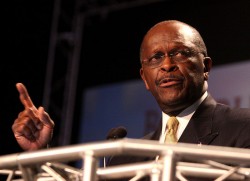



| You are subscribed to email updates from Save Your ASSets First To stop receiving these emails, you may unsubscribe now. | Email delivery powered by Google |
| Google Inc., 20 West Kinzie, Chicago IL USA 60610 | |

No comments:
Post a Comment