


Gold World News Flash |
- ALERT! Silver & Gold Surge As Dollar Falls: A Trend Which Will Continue – Gregory Mannarino
- What Did Fed Chairman Yellen Tell Obama?
- All Hail the Mighty Silver Bugs…
- Canada’s Financial Sector just Crapped on its Bondholders, Hoping They Don’t Care
- Silver: Not Time to Worry
- Why Economic Collapse Will Happen | Peter Schiff and Stefan Molyneux
- Oil jumps 4% on stockpile data; dollar gains
- Silver & Gold Surge As Dollar Falls: A Trend Which Will Continue
- Podcast: Corporate Earnings (Among Other Things) Go From Bad To Horrendous
- William Engdhal-Why are Russia and China Buying Gold? Tons of It!
- Treasury Removes Jackson From $20 Bill, Will Replace Him With Harriet Tubman
- George Soros Warns "China Resembles US In 2008", Hard Landing "Practically Unavoidable"
- Inside Raqqa: Women's secret films from within closed city of terrorist sect ISIS
- Does Saudi Arabia Have $750 Billion In Assets To Sell?
- The 2016 "Rage, Fear, & Anger" Election: Ron Paul's Deep Dive Into The Real Issues
- TF Metals Report: Fun with Comex open interest
- Price of Gold Closed at $1253.20 up $0.20 or 0.02%
- Why Economic Collapse Will Happen | Peter Schiff and Stefan Molyneux
- Trump Says Not Surprised By 'Incredible' NY Win
- A Wall Street Witch’s Brew
- Debunking the 28 Pages
- How I’m Prepping for the Next Recession
- Is This The End Of The U.S Dollar
- HAARP EARTHQUAKES STRIKE JAPAN AND ECUADOR!
- Stocks or US Dollar About to Enter a Bear Market
- Silver Price Breakout, Shanghai Gold Exchange, Bitcoin and the Web Bot - Video
- David Icke - We Live In A Quantum Computer Universe
- China and Russia Create Joint Platform
- Breaking News Links And Open Thread — April 21
- How “Poor Man’s Gold” Could Make You Rich this Year
- Top Ten Videos
- All Hail the Mighty Silver Bugs…
- CPM Group's Jeff Christian Sees Sharply Higher Gold Prices in the Years Ahead
| ALERT! Silver & Gold Surge As Dollar Falls: A Trend Which Will Continue – Gregory Mannarino Posted: 21 Apr 2016 01:00 AM PDT from Gregory Mannarino: | ||||||||||||||||||||||||||||||||||||||||||||||||||||
| What Did Fed Chairman Yellen Tell Obama? Posted: 21 Apr 2016 12:30 AM PDT by Ron Paul, Lew Rockwell:
Yellen's secret meeting at the White House followed an emergency secret Federal Reserve Board meeting. The Fed then held another secret meeting to discuss bank reform. These secret meetings come on the heels of the Federal Reserve Bank of Atlanta's estimate that first quarter GDP growth was .01 percent, dangerously close to the official definition of the recession. Thus, the real reason for all these secret meetings could be a panic that the Fed's eight-year explosion of money creation has not just failed to revive the economy, but is about to cause another major market meltdown. Establishment politicians and economists find the Fed's failures puzzling. According to the Keynesian paradigm that still dominates the thinking of most policymakers, the Fed's money creation should have produced such robust growth that today the Fed would be raising interest rates to prevent the economy from "overheating." The Fed's response to its failures is to find new ways to pump money into the economy. Hence, the Fed is actually considering implementing "negative interest rates." Negative interest rates are a hidden tax on savings. Negative interest rates may create the short-term illusion of growth, but, by discouraging savings, they will cause tremendous long-term economic damage. Even as Yellen admits that the Fed "has not taken negative interest rates off the table," she and other Fed officials are still promising to raise rates this year. The Federal Reserve needs to promise future rate increases in order to stop nervous investors from fleeing US markets and challenging the dollar's reserve currency status. | ||||||||||||||||||||||||||||||||||||||||||||||||||||
| All Hail the Mighty Silver Bugs… Posted: 21 Apr 2016 12:05 AM PDT Precious metals expert Michael Ballanger examines silver's recent moves upward. In my business, there is a great deal of travel, be it to properties in the Peruvian Andes or the Canadian Yukon or to the investment conferences in New Orleans or San Francisco or London, so I get a full psychographic cross section of every type of investor imaginable. First of all, the audiences I have encountered at the "Sound Money" conferences in Nassau or Bermuda are usually quite conservative and usually well-dressed and well-groomed. When the topic is gold and it is a controversial speaker looking for "the end of Western civilization," the audiences tend to be a tad different with hair length and dress code noticeably more avant-garde. | ||||||||||||||||||||||||||||||||||||||||||||||||||||
| Canada’s Financial Sector just Crapped on its Bondholders, Hoping They Don’t Care Posted: 20 Apr 2016 11:30 PM PDT by Wolf Richter, Wolf Street:
Great-West Lifeco, a Canadian financial services conglomerate which operates subsidiaries in Canada, the US, Europe, and Asia – including Putnam Investments in the US – and with over $1 trillion in consolidated assets under management, just crapped beautifully on its bondholders. It wasn't illegal. Bondholders had agreed to it in the terms of the bond issue. But they'd believed Great-West would never ever dare to do it. Now it did, and it cost those bondholders dearly. Canadian financial companies issued a total of $45 billion of a special kind of hybrid bonds. And now that Great-West has become the trailblazer, they might all be subjected to the same treatment. These bonds come with an option to be called after 10 years. If the option is not exercised, maturity is extended by another 30 years and the coupon is converted from the nice fixed-rate payment of yore to a floating-rate coupon based on an interest rate of "Libor plus," in a world of ZIRP and NIRP. "Canadian investors never believed a Canadian bank or issuer would do that kind of thing in Canada," Marc Goldfried, CIO at Canoe Financial LP in Toronto which manages $3.5 billion, told Bloomberg. But Great-West decided to become a trailblazer by not exercising this option on US$300 million in notes issued in 2006. Now the coupon converts to a floating rate based on the 3-month US-dollar Libor (currently 0.63%) plus 2.54 percentage points, so at the moment 3.17%. And investors have to wait another 30 frigging years before they get their money back! 40 years in total. And they believed they had a 10-year note! And had priced it like one! | ||||||||||||||||||||||||||||||||||||||||||||||||||||
| Posted: 20 Apr 2016 11:01 PM PDT As Bill Holter says, "Last Friday we got horrifying (from a contrarian standpoint) COT numbers with nearly record numbers for commercial shorts. With history as any guide, gold and silver should... {This is a content summary only. Click on the blog title to continue reading this post, share your comments, browse the website, and more!} | ||||||||||||||||||||||||||||||||||||||||||||||||||||
| Why Economic Collapse Will Happen | Peter Schiff and Stefan Molyneux Posted: 20 Apr 2016 11:00 PM PDT from Stefan Molyneux: The Dow closed above 18,000 on Monday for the first time since last July – but unfortunately that news isn’t as positive as it sounds. Stefan Molyneux and Peter Schiff discuss the massive cracks in the world economic system, corporations defaulting on their debt, Saudi Arabia threatening to pull $750 million in assets from the United States economy, the coming collapse in the health care industry, misleading employment statistics, the Panama Papers Scandal and the danger of economic collapse. | ||||||||||||||||||||||||||||||||||||||||||||||||||||
| Oil jumps 4% on stockpile data; dollar gains Posted: 20 Apr 2016 09:41 PM PDT The Hindu Business Line | ||||||||||||||||||||||||||||||||||||||||||||||||||||
| Silver & Gold Surge As Dollar Falls: A Trend Which Will Continue Posted: 20 Apr 2016 08:40 PM PDT from GregoryMannarino: | ||||||||||||||||||||||||||||||||||||||||||||||||||||
| Podcast: Corporate Earnings (Among Other Things) Go From Bad To Horrendous Posted: 20 Apr 2016 08:28 PM PDT Goldman, Morgan Stanley and IBM release numbers that look, well, depression-like. Housing starts plunge, gold and silver spike, China’s bond market seizes up, and Deutsche Bank prepares to name names in its gold manipulation scandal. And US stocks keep rising…what’s wrong with this picture? This posting includes an audio/video/photo media file: Download Now | ||||||||||||||||||||||||||||||||||||||||||||||||||||
| William Engdhal-Why are Russia and China Buying Gold? Tons of It! Posted: 20 Apr 2016 08:00 PM PDT from JayTaylorMedia: | ||||||||||||||||||||||||||||||||||||||||||||||||||||
| Treasury Removes Jackson From $20 Bill, Will Replace Him With Harriet Tubman Posted: 20 Apr 2016 08:00 PM PDT Presenting an artist's impression of what your new $20 bill will soon look like.
It's official. Moments ago Politico reported that the U.S. Treasury will announce that it plans to replace former President Andrew Jackson on the $20 bill with Harriet Tubman, the sources said. There will also be changes to the $5 bill to depict civil rights era leaders including Marian Anderson, Eleanor Roosevelt and Martin Luther King Jr. Not every dead president is being scraped however: treasury Secretary Jack Lew on Wednesday will announce a decision to keep Alexander Hamilton on the front of the $10 bill and put leaders of the movement to give women the right to vote on the back of the bill. Lew's decision comes after he announced last summer that he was considering replacing Hamilton on the $10 bill with a woman. The announcement drew swift rebukes from fans of Hamilton, who helped create the Treasury Department and the modern American financial system. Critics immediately suggested Hamilton take Jackson off the $20 bill given the former president's role in moving native Americans off their land. Jackson may remain on the $20 bill in some capacity, but will clearly be demoted. Lew told POLITICO last July that Treasury was exploring ways to respond to critics. “There are a number of options of how we can resolve this,” Lew said. “We’re not taking Alexander Hamilton off our currency.” * * * Here is the official statement from the US Treasury:
Here is Jacob Lew's "explanatory" letter:
* * * Confused? Disturbed? Angry? You are not alone. The following rant by Mac Slavo expressed many feeling about the proposed change. Andrew Jackson, Who Fought Central Bank, Removed from $20 As “Public Concern for Liberty” Erased
The War on Cash has many fronts. The latest battle is for the face of the currency itself, and the central bankers, who control the front anyway, have imposed a symbolic defeat against the leaders in America’s past who have fought against the stranglehold of the money makers. Naturally, there are liberal politics at play, fighting for every inch of ground in the war for ideological re-engineering. History is being whitewashed, various figures of antiquity rolling in their graves…. At stake is a dispute for the powers of government even better than the more famous duel between Aaron Burr and Alexander Hamilton, of whom we also speak. The iconic $20 bill, with the face of President Andrew Jackson, and the $10 bill, with the face of the nation’s first Treasury Secretary, Alexander Hamilton, have long pitted two ideological extremes against each other as they pass along as some of the most used denominations in circulation. But now, the money powers at the Treasury Department have decided that it is time to add a woman’s face to the money supply as well. As such, the powers-that-bank have decided to oust Andrew Jackson from the line up, and with it, part of his legacy. It will be “removed in favor of a female representing the struggle for racial equality,” according to CNN, while an early proposal to remove Alexander Hamilton’s bill will be scrapped, though the proposal includes a redesign on the backs of his and several other notes with scenes from the Woman’s Suffrage Movement, Susan B. and all the gals.
Dramatically, it seems that there was a backlash to counter the coup against Hamilton, including support from former Federal Reserve chairman Ben Bernanke:
And there’s a reason for Bernanke’s bias towards Hamilton. Here’s the scoop from the Economic Policy Journal, who called it a “despicable decision”:
And that’s right where Andrew Jackson’s legacy with the banks picks up. With the charter of the first “Bank of the United States” ending, Jackson was determined to stop the charter of the second “Bank of the United States” and famously stated:
President Jackson likened their agents to the hydra-beast, with its many heads, and even survived an assassination attempt, by staving off an attacker personally.
The bankers, and the powerful families including the Rothschilds who supported it, wanted a “national bank” because they could load the board with “their” guys and outweigh the will of the people and the normal channels of government.
Of course, the same exact state of affairs has been going on today for more than a century with the Federal Reserve, which is run by the successors to the same exact banking interests, including the still immensely-powerful Rothschild family. The struggle is depicted well in “The Money Masters,” which spans several centuries of history with the threat of banking powers over individual sovereignty in stark contrast. To be sure, there is an important and nefarious plot afoot to ensnare you, your family and everyone on the block with debt.
There is a line, and you should figure out what side of it you’re going to be on. Jackson narrowly succeeded in staving off banker domination of the U.S. during his day. Of course, Andrew Jackson, who was the United States’ seventh president, was also a complete controversy his entire lifetime. It is no surprise that the same people who took down the Confederate flag from the South on the back of a mass shooting tragedy are now trying to tear down the image of a particularly controversial and intriguing figure from the American past. Jackson was a recalcitrant and unyielding general and war hero, and later an outsider riding a wave of populist support into the White House, bringing in sometimes unscrupulous companions, and plenty of Masons. Many of his backers were diametrically opposed to the entrenched power of New York bankers and speculators, as well as patrician politicians who dominated the first phase of politics in the nation’s history. Jackson played a nasty role in the Trail of Tears affairs with Indians, too, and with the South and Western expansion of slave-friendly territories. Many shades of grey. Meanwhile, behind the scenes in the founding days of this country, Alexander Hamilton, an advocate of strong central government, and maneuvered on behalf of his banker masters to collectivize the war debt from the states and create a central bank to control the financial strength of the country, and ingrain the early United States with the mindset of the British masters they had just fought to shake off. After the creation of the Federal Reserve in 1913, and the crisis and consolidation of wealth during the Great Depression, and ever since the 2008 economic collapse, the rule by bankers has become a foregone conclusion, though there will be more chances to shake off their yoke of control. (BitCoin is one possible avenue; Congressionally-controlled greenbacks another; gold and silver yet another…) Erasing Andrew Jackson from the faces of the fiat funny-money that is passed around by an increasingly ignorant and dependent society (which itself has adopted digital currency as the new norm) will further cut off the past from the masses, and ensure their enslavement. | ||||||||||||||||||||||||||||||||||||||||||||||||||||
| George Soros Warns "China Resembles US In 2008", Hard Landing "Practically Unavoidable" Posted: 20 Apr 2016 06:30 PM PDT China's credit growth in March (and $1 trillion surge in total social financing in Q1) is a "warning sign" according to billionaire George Soros, "because it shows how much work is needed to stop the slowdown." Speaking at an event in new York this evening, Soros commented on "troubling developments" in China, the anti-corruption drive's impact on capital outflows and the real-estate bubble "feeding on itself." His conclusion, rather ominously, was that despite all the naysayers and fiction-peddlers, China "resembles US in 2007-8," before credit markets seized up and spurred a global recession. As Bloomberg reports, Billionaire investor George Soros said China’s debt-fueled economy resembles the U.S. in 2007-08, before credit markets seized up and spurred a global recession.
Soros then went on to note that China’s capital outflow is a growing phenomenon driven by the nation’s anti-corruption campaign, which makes people nervous and spurs them to pull money out, and added that...
Finally in an ironic twist for a man who has all too often used the press for his own ends...
Of course one should bear in mind that Soros is among those who are betting heavily on the eventual devaluation of The Yuan against the USD, and as we noted previously, the cracks are starting to show... As the Chinese corporate bond market begins to break...
At least 64 Chinese firms have postponed or scrapped planned note sales this month, six times more than the same period a year earlier. And as BofA's David Cui explains, if poorly handled, they may cause significant financial instability... Since 2015, eight SOE bond issuers have run into repayment problems; four since February. We believe that the sharply accelerating pace and the growing chance of genuine defaults are largely behind the recent widening of credit spreads (Bond yield rising, credit spread widening & impact on stocks, Apr 15). In our view, any major SOE bond default would be difficult for the financial system to handle – as it is unexpected, it could lead to panic selling/a credit crunch (2016 Year-Ahead: what may trigger financial instability, Jan 3). At this stage, we expect that most problematic SOE bonds, if not all, will get largely bailed out. But this is a key risk that we need to monitor for the equity market outlook. Chart 1 shows the dates when the potential defaults were first reported vs. the credit spread of 5Y AA-rated enterprise bonds (more details on the bonds, Table 1). Among the eight, Tianwei, Erzhong, Sinosteel, China Coal Huayun and China Railway Materials are central SOEs; Guangxi Nonferrous, Yun Feng and Dongbei Special Steel are local ones. The media reported that some of these SOEs actively sought defaults in order to lessen their debt burdens – a few even reshuffled their assets in preparation (Caixin, Apr 18). This clearly raises the chance of genuine defaults in the bond market’s mind, in our view.
Based on our assessment, the dynamics among the key stakeholders are as follows: some SOEs want to default; many local governments may lack the financial resources to save their SOEs from defaulting; the central government has the resources (after all, it can print), but needs to balance short-term financial stability with moral hazard concerns; the bond underwriters, many of them banks that lend to the same SOEs, need to balance financial interests against the risk of reputation damage and potential lawsuits; bond holders may go on a buying strike to force bail-outs. At this stage, we expect the central government and the bond underwriters to largely come up with the money to prevent any significant default of SOE bonds. It appears to us that, leading up to the 19th Party’s Congress in late 2017 (when a new group of leaders will be officially announced), a top priority of the central government is to prevent a financial crisis. For banks, the cost of bail-outs could be hidden for quite some time, so the incentive for them to suppress defaults is strong, in our view. Actually, there was at least one case in which a listed bank used its WMP under management to cover a defaulting bond ((Shadow banking default, pace accelerated sharply since mid-2015, Apr 7). If our expectation is right, the bond market could calm down as soon as it sees signs that bail-outs are the likely scenario. This would kick the can down the road, using liquidity to paper over a solvency issue. If, against our current expectation, the government/underwriters keep in mind:
Even without a panic, if the bond market becomes more cautious as a result of SOE bond defaults, there could be negative implications on credit flow, credit cost, economic growth, commodity demand, the RMB and the stock market. | ||||||||||||||||||||||||||||||||||||||||||||||||||||
| Inside Raqqa: Women's secret films from within closed city of terrorist sect ISIS Posted: 20 Apr 2016 05:46 PM PDT Exclusive footage from inside ISIS-controlled city Raqqa. Filmed by two brave women for Expressen. "We want the world to know," they say: http://www.expressen.se/nyheter/women... The Financial Armageddon Economic Collapse Blog tracks trends and forecasts , futurists , visionaries , free... [[ This is a content summary only. Visit http://www.newsbooze.com or http://www.figanews.com for full links, other content, and more! ]]  | ||||||||||||||||||||||||||||||||||||||||||||||||||||
| Does Saudi Arabia Have $750 Billion In Assets To Sell? Posted: 20 Apr 2016 05:32 PM PDT As we reported over the weekend, based on NYT info, the Saudi finance minister said the kingdom would sell up to $750 billion in Treasury securities and other assets if Congress passed a bill that would allow the Saudi government to be held responsible for any role in the September 11, 2001 terror attacks. Senators Chuck Schumer of New York and John Cornyn of Texas introduced the "Justice Against Sponsors of Terrorism Act (JASTA) last fall, but the legislation seemed to gain some new traction after a related segment on 60 Minutes earlier this month. The punchline, of course, was that Saudi officials indicated they would sell its dollar-denominated assets if the law passed to avoid having those assets frozen by American courts. But does Saudi Arabia even have $750 billion of assets to sell? For the answer we go to Stone McCarthy who note that while they can't answer that question definitively - recall that the exact amount of Saudi Treasury holdings remains a mystery as it is not broken out separately - here's what they do know from the Treasury International Capital (TIC) data.
Also keep in mind that as we have previously reported, the Saudis were said to have been one of the most aggressive sellers of US-denominated assets in late 2015 and early 2016 to fund the country's budget deficit as Petrodollar revenues collapsed. So, in short, the answer is nobody knows for sure, but if the Saudis did have $750 billion several months ago, they probably have far less as of this moment. | ||||||||||||||||||||||||||||||||||||||||||||||||||||
| The 2016 "Rage, Fear, & Anger" Election: Ron Paul's Deep Dive Into The Real Issues Posted: 20 Apr 2016 05:10 PM PDT Ron Paul offers his detailed assessment of the 2016 presidential campaign this far. This is no candidate play-by-play, but a look at the strong undercurrents in society that are driving the debate. The people are very angry. But why? And what should be done about it?
Full Speech (via RonPaulLibertyReport.com), [yes it's long but grab a glass of wine - or bottle of scotch - and comprehend what America faces] THE MIDDLE-CLASS RAGE, FEAR AND ANGER The middle class, which as defined by politicians now includes almost everyone, is angry, fearful, and filled with rage. When politicians address this group it’s frequently defined as “populism,” of which there are many varieties. Whether liberals, conservatives, libertarians, socialists, or authoritarians, when the people become restless and angry, demanding change, the politicians pay attention. This reflects a need to appeal to the masses, and a populist message is well received. But there is never real agreement on the analysis and suggested solutions to the problems. Instead, scapegoats are easily found. Economic understanding is not of high priority, and demagoguery is a useful tool for politically mobilizing the “victims.” Since there are real reasons given for the conditions that exist, competition arises among those who want to take charge of the crisis and benefit politically. This only increases the anxiety and anger of the people, who see themselves as victims of an unfair system. Until the political economic crisis became readily apparent, most politicians were unaware of the rapidly increasing distortions in wealth distribution. The dangers are conveniently ignored because most people live for the short term. If one is doing well financially, even though the system is financed with the whole country living beyond its means, worrying about preparing for a rainy day seems like wasted energy. However the payment is now coming due, and because few plan or understand it, any threat to benefits – both earned and unearned – creates great anxiety. Fear of being squeezed out of a share of the benefits that come with government intervention becomes the driving force for the whole country. The one group that seems the least worried about current conditions is the “one percent” who are financially secure by living off the special interest financial system. This does not include the wealthy who are financially rewarded for providing products and services that consumers choose to buy. But even the one percent who benefit from government programs and the monetary system are concerned that the current uprising will interfere with their privileged position. The size, determination, and anger of the current populist uprising is signaling that huge changes are coming both politically and economically. This generates a competitive blame-game when politicians get involved and try to benefit from the chaos. Republicans blame the Democrats and the Democrats blame the Republicans for the problems. It’s never an issue of philosophy but rather partisanship, personalities, or simply blaming poor management. False perceptions are commonplace as a consequence of government-controlled education that steers people away from the sad realities of economic planning that the people have blindly accepted for many decades. The fear and anger are only increased by the combination of a failed but never-questioned economic policy, and the demagogues, either ignorant or malicious, who provide magical promises to erase the injustices that are clearly visible. Though the nature of the breakdown is an economic issue caused by excessive government, those suffering – and the politicians who claim they can restore prosperity – demand more government intervention in our lives and in the economy. The entitlement mentality is now seen as a fundamental right even though it depends on government use of force to transfer wealth from one group to another. The liberal mantra has always been that the use of force backed up by guns is legitimate and moral. This is accepted as being morally superior to voluntarism for helping the poor. The irony is that it’s precisely this philosophy that impoverishes the middle class, increases the poverty of the poor, and provides the unearned benefits of the crony capitalists who were the recipients of the great bailout in 2009. We are witnessing the end of an era, but since denial and ignorance prevails few are aware of it. The current special interest entitlement system is on its last legs, but the recipients and the political power brokers believe a change in leadership is all that is needed. It’s not the system that’s at fault, they argue, it’s only better management that is required. It is readily apparent that the failure of this approach is leading to more fear and anger. Too often the anger is thought to be a partisan issue. The claim is either that it’s all President Obama’s fault or George W. Bush’s fault – yet both parties have followed the same false philosophy of interventionism in both domestic Keynesianism and international empire-building, putting them both at fault. The people searching for answers conclude the government constantly lies to them. It’s easy to see the system rewarding those who control political power. Concern and understanding the inequities in wealth distribution are not authentic. Ignorance prevails even for the well-intentioned, which results in a deadly erosion of middle class wealth. Debt and deficits are not a serious concern, and both parties continue the endless wasteful spending that only aggravates the pervasive economic inequities that drive the people’s fears. Most Americans, now more than ever, have become aware of the terrible conditions the Federal Reserve has caused by its policies that result in ever more distortions in the transfer of wealth to the very wealthy at the expense of the middle class. Many people remain apathetic as to the details of Federal Reserve policy, but others recognize that the Fed is the financier of the welfare state and the endless wars that consume wealth. Our ability to issue the reserve currency of the world gives us a free ride for unlimited spending, debt, and borrowing. Middle class anger results because the evidence is now available that the system is failing and the politicians offer only vague platitudes and rash promises that few citizens believe. The factions that compete for government benefits become more competitive and angry as they see the financial pie shrinking and the ability of government to deliver on their promises failing. When benefits, seen as entitlements, shrink, the recipients become fearful and angry and demand political action. This means more handouts, whether it’s for the rich or poor, without any understanding as to why the system is failing. The demagogues, who are aware of the problem, are quick to use this discord to gain greater political power while ignoring the true nature of the problem and the changes needed. It’s easy for presidential candidates to respond to legitimate concerns that have prompted the anger and fear. But if there is little understanding of the true nature of the problem and the proposed solutions, this won’t help to quiet the disgruntled electorate. The groups that claim they are being mistreated more than others will continue to be varied and increasing in numbers. Slogans and clichés, though they have been helpful to the politicians in the past, will not be believed and will only increase the anger. This leads the candidates to compete to be the most authoritarian in their promises to take care of everybody’s demands. The problems have been developing for almost 100 years. Progressivism, which was accepted in the early part of the 20th century, cannot be reversed by any single election. Vague political promises to patch up the system currently being used will no longer suffice. Real wages and the standard of living of the average American family have dropped in the 21st century and are almost where they were back in 1971 – the year we completely abandoned the gold standard. The ongoing crisis is deeply structural and not a management problem. Those who still spout the idea that stopping waste, fraud, and abuse in order to finance the perpetual demands of the people without a major overhaul of our political and economic system have no credibility and the people know it. Too many remain convinced that debt is not a problem and more debt and more monetary inflation is what is needed to restore economic growth. The masses have been taught and conditioned to believe that unlimited government spending and debt is the solution and not a cause of the crisis. But, it is a problem. As long as our politicians and the American people remain in denial, the problems will get much worse, the anger will accelerate, and violence in our cities will increase. The current ongoing destruction of the middle class and the anger it causes are the big issues we face. Economic conditions are the overriding issue, but the least understood. Most Americans are aware that the politicians are in over their heads and are not providing any sensible answers to the dilemma. Believing that a left or right wing noisy demagogue will save us is wishful thinking. Ignorance of economics has allowed years of excessive spending, but that is coming to an end. The entitlement mentality claims it’s a strictly moral issue for the government to take care of people in need. A combination of bad economic policy and confused morality has created the conditions that are threatening us today – not only in the US but worldwide as well. We must wake up and realize that much of the wealth the average American has enjoyed for decades has been an illusion, built on debt and a bizarre form of money. But the payment is now coming due and no one wants to accept the obvious: we are unable to pay for our extravagant spending on domestic welfare to both the rich and poor, while maintaining an unaffordable world empire. The result has only been anger. There is no understanding that market forces are now required and that the debt must be liquidated in order to restore economic growth to the system. The question of who must pay is a major political and economic one. Currently the middle class is aware of a major problem, but doesn’t have the foggiest understanding as to the causes or the solutions. So far the penalty has fallen on the shoulders of the middle class with a loss of good jobs, inflation, and a lot lower standard of living – something the government is unwilling to acknowledge. The fact that there’s a lack of understanding of economic policy contributes to the growing socio-economic crisis and the fear and anger that continue to worsen. The politicians are scurrying around searching for those they can blame for the crisis. Actual answers from the candidates are secondary to who achieves the political power to distribute a shrinking economic pie. WHO’S TO BLAME? Who gets blamed depends solely on the political persuasion of the accuser. If it comes from a leftist politician it’s always free markets, profits, not enough government transfer payments to the poor, not enough government spending, and of course, greed – regardless of how one’s money was earned. The solution is always to raise taxes. If it comes from a right or populist politicians, it’s immigrants, China’s unfair trade and currency policies, threats of terrorism, Mexico border policies, and an urgent need to sacrifice liberty for safety, xenophobia, or not enough militarism. Too often the blame is couched only in partisan terms – it’s the Democrats fault; it’s the Republicans fault; or it’s all Obama’s fault or George W. Bush’s fault. Philosophic views are not important, only effective demagoguery is. Too often it leads to a desire for a tyrannical type of government, coming from both the far left and the far right, that makes rash promises as to the ease with which the problems will be solved. We’re constantly being told that what we need is a new tougher boss who will get things done, without knowing exactly what policies will be pursued. It’s easy to find scapegoats – either racially motivated or based on faulty economic thinking. Little blame is placed at the door of the Federal Reserve’s ridiculous monetary policy, which has been so destructive. Negative interest rates are not topics in the presidential debates or the campaigns. Simply, one side blames economic downturn on the free market and another side blames the lack of tariffs and too much labor competition. Political changes are much easier to bring about by placing blame than by getting people to understand the true cause of our economic problems. The sad part is, it’s the economic explanation of poverty and the unfair distribution of wealth that is the issue that drives all political rhetoric while searching for scapegoats. The answers are out there, but we have a long way to go to convince the citizens and the leadership in this country who claim that more government is the solution. The fear of ISIS is used to justify the dangerous foreign policy we follow – a policy that has significantly contributed to the economic crisis, with trillions of dollars spent in recent decades on unwise militarism. Blaming foreign terrorism for our economic and debt crisis may have been a goal of Osama bin Laden, but only we can take the responsibility for the spending excesses for which we are now being forced to pay. There’s been little disagreement among the candidates that sacrificing personal liberty under today’s circumstances is required to provide security. It’s easy for the politicians to blame too much liberty – both economic and civil – as the problem. There should be little doubt that our crisis does not come from too much freedom, yet this issue is of no concern for the candidates. Some blame the crisis on inefficiency in government management and claim that ridding the system of waste, fraud, and abuse will be enough to solve our fiscal problems and control the deficits. Therefore nothing needs to be cut, or so they say. There’s no recognition that government by its very nature is based on theft, threat of violence, and control by the privileged few. Blaming various social groups instead of flawed policies is a frequent exercise. Racial distinctions are convenient for gaining a special benefit and are the source of social and economic friction. There’s no incentive to objectively see cause-and-effect in the problems that generate fear and anger. This makes it very difficult to unemotionally solve the injustices that our system of government planning has generated. Equal justice under the law is constantly being abused. It’s easy to blame racism for all the problems while ignoring the war on drugs and true causes of poverty, which are the major contributing factors to our dilemma. The authoritarians cannot resist blaming free markets and sound money for our economic ills and they never make an effort to distinguish between free markets and crony capitalism in their accusations. Ignorance and a desire to increase the role of government in our everyday life provide a convenient argument for a bigger and more intrusive government. Today even declared socialists are well received with their promises of unlimited “free stuff.” The defenders of central economic planning, a powerful central bank, sacrificing liberty for security, and foreign interventionism to maintain an empire will never blame themselves for their contributions to the crisis. Therefore, expect anger and fear to accelerate. Do not expect the 2016 election to enlighten the people or the politicians. Big government enthusiasts are always looking outward and for others to blame. But without some introspection it is guaranteed that the social friction now building will get worse. False blame creates bad solutions. Terrorism is a real threat. The consensus of both Republicans and Democrats is that the only cause is “radical Islam.” Any other suggestion elicits charges of un-Americanism and a willingness to ignore danger. It is suggested that any support for those who seek a peaceful resolution to international problems are unpatriotic and endangering our country. Claiming our foreign policy of occupation and preemptive war significantly contributes to the danger of terrorism is unthinkable, but suggesting that we carpet bomb countries in the Middle East draws loud cheers. This is hardly a setting for making our country safe from terrorism. Blaming others for our failed policy of maintaining a world empire while never looking at our own shortcomings is acceptable to most Republicans and Democrats. Not only do the demagogues blame others for our foreign policy failings, they also blame others for our weak economy. The threat of terrorism, that we helped to create, is also used to justify our government’s attack on civil liberties here at home. The politicians never assume responsibility for our out-of-control budgets since neither party truly believes that deficits are a serious problem. In fact, both sides cooperate in spending and ignoring the deficits because both sides want to increase spending. Sometimes it’s for domestic welfare and other times the spending is for “rebuilding” the military; most of the time they want both. The most significant economic problems we face today – the $210 trillion of unfunded liabilities, the $19 trillion national debt, along with our overblown foreign debt – are dealt with by ignoring them as the platitudes and excuses flow. The financial markets will eventually make it clear that the debt has become the most significant issue. It’s crucial that proper blame is placed on the spenders and Keynesian apologists who argue it’s not a problem. Without proper blame, understanding how to achieve economic growth is impossible. The people are justified in being fearful and angry because the magnitude of the crisis is becoming more evident every day, and they no longer believe what the leaders of the country have been telling them. Wishful thinking for a political savior to rise up and rescue us is just that: wishful thinking. Lack of knowledge and understanding of the crisis has ignited hatred between the factions seeking to take charge, escape blame, and satisfy the demands of the current victims. As the truth of the seriousness of our crisis becomes more apparent, only a few are reassured that there is a politician who has an answer. It has been suggested that the description of what we’re facing is that one party is a party of “know nothings” and the other is a party that knows all the “wrong things.” REAL ISSUES IGNORED Since there has been a lot of blame and no understanding, no serious solutions have been offered. The big problem is that in spite of different rhetoric coming from the two parties, there’s little difference in fundamental political and economic beliefs. With the dramatic personal charges being made by the candidates, the important issues are avoided. This must be on purpose. Since no one has answers, it’s best not to draw attention to their ignorance and to the total failure of both political parties to solve the problems. The issues avoided are numerous, including especially the debt and the $210 trillion of unfunded liabilities. And even as our as our economy steadily weakens, no serious debate occurs. When the subject comes up it’s for narrow political reasons and no solutions are offered. It’s abundantly clear that to both sides, debt is not of enough concern to actually lead them to entertain the idea that spending should be reduced. That would be bad politics. Both sides support “rebuilding the military” by increasing military spending. Though there is no real threat, we continue to spend about as much as everyone else put together. Domestic welfare spending is treated the same way. Some | ||||||||||||||||||||||||||||||||||||||||||||||||||||
| TF Metals Report: Fun with Comex open interest Posted: 20 Apr 2016 04:59 PM PDT 8p Wednesday, April 20, 2016 Dear Friend of GATA and Gold: The TF Metals Report's Turd Ferguson warns again today that open interest in Comex gold futures is again at the point that usually precedes a price smash by the big investment banks. His commentary is headlined "Fun with Comex Open Interest" and it's posted at the TF Metals Report here: http://www.tfmetalsreport.com/blog/7576/fun-comex-open-interest CHRIS POWELL, Secretary/Treasurer ADVERTISEMENT Silver Coins and Rounds with Employee Pricing and Free Shipping Grab your Silver Starter Kit at cost from Money Metals Exchange, the company named "Precious Metals Dealer of the Year" by industry ratings group Bullion Directory. Simply go to MoneyMetals.com and type "GATA" in the radio box at the top of the page. This special silver offer contains 4 ounces of silver coins and rounds in the most popular 1-ounce, half-ounce, and 10th-ounce forms. Claim yours now, because GATA readers get employee pricing and free shipping. So go to -- -- and type "GATA" in the radio box at the top of the page. Support GATA by purchasing recordings of the proceedings of the 2014 New Orleans Investment Conference: https://jeffersoncompanies.com/landing/2014-av-powell Or by purchasing DVDs of GATA's London conference in August 2011 or GATA's Dawson City conference in August 2006: http://www.goldrush21.com/order.html Or a colorful poster of GATA's full-page ad in The Wall Street Journal on January 31, 2009: http://gata.org/node/wallstreetjournal Help keep GATA going GATA is a civil rights and educational organization based in the United States and tax-exempt under the U.S. Internal Revenue Code. Its e-mail dispatches are free, and you can subscribe at: To contribute to GATA, please visit: | ||||||||||||||||||||||||||||||||||||||||||||||||||||
| Price of Gold Closed at $1253.20 up $0.20 or 0.02% Posted: 20 Apr 2016 03:56 PM PDT
I'd better make this quick today, because I can feel the bile a-risin'. I should never have read the news. Stocks continued to levitate mysteriously & without the slightest ground in reality. Dow added 42.67 (0.24%) to 18,096.27. S&P500 nanometered up 0.16 (0.08%) to close at 2,102.40. (A nanometer is a measurement equal to one billionth of a meter, used primarily to measure the brains of central bankers & presidential candidates.) Both indices have formed a second rising wedge, which, as I'm sure y'all are tired of hearing, usually resolve earthwards. Not long, not long, and 'twill dive. US dollar index finally turned back from the jaws of death & rose today, 52 basis points (0.56%) to 94.47. This pulls the dollar index back from the brink, but it still must rise through the 20 day moving average blocking its road at 94.74. Dollar index doubled bottomed yesterday and today about 93.95. Remember that number, because trading lower will suck the dollar index down into the Maelstrom. Safe for now. Silver today fought its way through the blockade at 1700¢ to close Comex 16.3¢ higher at 1713.1¢. Today's 1725¢ high bettered yesterday's 1711¢. In blistering trading gold closed Comex at $1,253.20, twenty cents higher than yesterday. Ratio fell 1% to 73.154. We need to bear in mind that yesterday's ratio low at 72.49 may have fulfilled the target for this first leg down. That in turn implies silver might head down. Yet silver, for all gold's lagging, won't slow down. Probably has 1750¢ - 1765¢ in it, which would take it to the May 2015 high. But the breather that silver pauses for there or here won't end the upmove by any means. Something north of 1800¢ is in silver's sights. Gold behaved badly today. Barely increased its intraday high to 1,259.80. Ended the day up only twenty cents, then tanked in the aftermarket ten bucks to $1,244.10. Still, as long as it doesn't crash through this level it won't tank. Sellers have drawn their line in the sand at $1,260, hence gold must burst through that barrier. Needs to work up substantially more gumption to do that. Appears there's a leetle more rally left in the silver price, and gold price will tag along. A reader wrote, "You are quite frequently saying to buy now. I am curious. When, if ever, have you said to sell?" Answer: NEVER, because that time hasn't come yet. It will come when the gold/silver ratio reaches 16:1 or lower. Then it will be time to sell. Till then, y'all ought to shake off the spell of government, central bank, and Wall Street liars and listen to history's witness: NEVER ONCE has an episode of fiat money inflation ended without destroying the currency UNIT. I am buying silver & gold for the LONG term, at least another five years. I am looking out my window at our sheep flock. They've had 30 lambs so far, and 20 have been ewe lambs. We borrowed a black-headed Dorper ram for our white Katadhin ewes, and the progeny are startling: all black, piebald black and white, black bellies, you name it. Mercy! I could watch 'em for hours. That's the kind of stock I like. A reader heard two men on an internet radio show say, "Few people even want 100 oz silver bars." My unqualified response to that is, "They don't know what they are talking about." Since May 1980 I have bought and sold THOUSANDS of 100 oz. silver bars with no trouble. They have their place & use, just like silver rounds & 90% coin. This categorical MISstatement often comes from dealers who tell you not to buy anything but silver American Eagles, because that's the easiest thing for them & suits their inventory, never mind the customer gets 10% less silver. HOGWASH. Over time, premium always disappears. Every once in a while appears an insightful & concise article that makes me think, "That's exactly what I want my readers to see." Here's one by Jack Perry, "The End is Not Near, It has Begun." Sound analysis of a possible future. Go to https://www.lewrockwell.com/2016/04/jack-perry/end-not-near/ Aurum et argentum comparenda sunt -- -- Gold and silver must be bought. - Franklin Sanders, The Moneychanger The-MoneyChanger.com © 2016, The Moneychanger. May not be republished in any form, including electronically, without our express permission. To avoid confusion, please remember that the comments above have a very short time horizon. Always invest with the primary trend. Gold's primary trend is up, targeting at least $3,130.00; silver's primary is up targeting 16:1 gold/silver ratio or $195.66; stocks' primary trend is down, targeting Dow under 2,900 and worth only one ounce of gold or 18 ounces of silver. US $ and US$-denominated assets, primary trend down; real estate bubble has burst, primary trend down. WARNING AND DISCLAIMER. Be advised and warned: Do NOT use these commentaries to trade futures contracts. I don't intend them for that or write them with that short term trading outlook. I write them for long-term investors in physical metals. Take them as entertainment, but not as a timing service for futures. NOR do I recommend investing in gold or silver Exchange Trade Funds (ETFs). Those are NOT physical metal and I fear one day one or another may go up in smoke. Unless you can breathe smoke, stay away. Call me paranoid, but the surviving rabbit is wary of traps. NOR do I recommend trading futures options or other leveraged paper gold and silver products. These are not for the inexperienced. NOR do I recommend buying gold and silver on margin or with debt. What DO I recommend? Physical gold and silver coins and bars in your own hands. One final warning: NEVER insert a 747 Jumbo Jet up your nose. | ||||||||||||||||||||||||||||||||||||||||||||||||||||
| Why Economic Collapse Will Happen | Peter Schiff and Stefan Molyneux Posted: 20 Apr 2016 03:52 PM PDT The Dow closed above 18,000 on Monday for the first time since last July - but unfortunately that news isn't as positive as it sounds. Stefan Molyneux and Peter Schiff discuss the massive cracks in the world economic system, corporations defaulting on their debt, Saudi Arabia threatening to... [[ This is a content summary only. Visit http://www.newsbooze.com or http://www.figanews.com for full links, other content, and more! ]]  | ||||||||||||||||||||||||||||||||||||||||||||||||||||
| Trump Says Not Surprised By 'Incredible' NY Win Posted: 20 Apr 2016 03:06 PM PDT Trump called his victory in New York 'incredible' but was not surprised that he did so well in the state's primary election. (April 20) The Financial Armageddon Economic Collapse Blog tracks trends and forecasts , futurists , visionaries , free investigative journalists , researchers ,... [[ This is a content summary only. Visit http://www.newsbooze.com or http://www.figanews.com for full links, other content, and more! ]]  | ||||||||||||||||||||||||||||||||||||||||||||||||||||
| Posted: 20 Apr 2016 01:43 PM PDT This post A Wall Street Witch’s Brew appeared first on Daily Reckoning. In a nearby post Jeff Snider makes a clean kill of the sell side hockey stick. Just 22 months ago (June 2014), Wall Street projected GAAP earnings of $144.60 per share for the S&P 500 in 2015. Needless to say, that was off by a country mile. In fact, it was too high by 67%, but the instructive tale lies in the process of getting there. Since 2013 actual results and 10K filings were long done by June 2014, you have to say that the street was virtually wallowing in hopium. To wit, the above 2015 estimates embodied a two-year gain of 45% from the actual figure of $100.20 per share for 2013. And so it went. By March 2015 the consensus estimate had been lowered sharply to $111.34 per share because the fond hopes of the prior June had not quite worked out. In fact, GAAP results for 2014 had come in at only $102.31 per share, meaning a tiny gain of just 2.1% for the year and an impossible hole to fill with respect to the two-year gain of 45%. Worse still, this December 2014 LTM reported figure was not just way short of the mark; it actually represented a reversal of direction. The post-crisis earnings recovery had already peaked at $106 per share in the September 2014 LTM period and was now down nearly 4%. But no matter. The consensus estimate of $111.34 for 2015 made midway through the year represented a gain of nearly 9% over 2014. As per usual, of course, that was all back-loaded to the second half. The actual Q1 2015 GAAP profit of $25.81 was already in and represented a 6% decline from prior year. But on Wall Street the hockey stick springs eternal. By the time of the September consensus estimate, first half earnings were already down by 17%. But the consensus assumed a stick save in the final quarter. Earnings per share were now projected.at $95.06, representing a full year drop of just 7%. The stick save didn't happen. GAAP profits for the year ended down 14% from the 2013 level, not up by 45%!
Yet that's not the half of it. In this age of Bubble Finance, Wall Street assumes that profit growth is definitional. So notwithstanding the total wipeout described above with respect to its 2015 hockey stick, the forward estimates are heading back toward the rafters. Even on a GAAP basis, the year end consensus estimates are $111.50 and $126.50 for 2016 and 2017 respectively. The point, however, is not just that the hockey stick is up by 29% for the current year when Q1 results/estimates are already down by 10% or that 2017 is up by 46%. The point is that the sell side stock peddlers are so intoxicated by life in the casino that they do not recognize that the jig is up. To wit, profit margins have been at an all-time high, but have visibly peaked, and the financial engineering boost to per share earnings is surely over and done. As highlighted in another nearby post, profit margins for the S&P 500 peaked at an all-time high of nearly 10% in 2014 and have already dropped by one-fifth. And as we must repeat again, the business cycle has not been outlawed and this one is getting increasingly long in the tooth. The chart provides all the information necessary about what happens to profit margins when the next recession makes its inexorable appearance.
At the same time, stock buybacks are certain to plunge as interest rates eventually normalize and borrowing to buy stock becomes less attractive. Financial engineering, therefore, has an inherent sell-by date.
Indeed, the poster boy for financial engineering reported last night, and not only were IBM's results another fiasco; they are actually just a leading indicator of where stock-option crazed C-suites are taking corporate America under the auspices of the Fed's destructive regime of Bubble Finance. Not surprisingly, IBM's sales were down for the 16th straight quarter—-this time by 4.5%. Meanwhile, its pre-tax profits plunged by 67% from $3 billion in Q1 2015 to just $1 billion in the current quarter. Perhaps fittingly, IBM's bottom line results were saved from a total wipeout only by a final gasp of financial engineering. It posted a negative tax provision of $983 million or negative 95%. Save for that fig leaf, IBM posted the lowest quarterly pre-tax profit in two decades!
Needless to say, more than a decade of extreme financial engineering does not have much to write home about. IBM has flooded the casino with share repurchases and dividends in order to levitate its stock price and keep its executives flush with stock option gains. But even that short-sighted liquidation of its own seed corn is no longer working. After last night's disaster, its stock is down by 6% from its recent dead cat bounce, and now dwells 33% below its early 2013 high of $215 per share. That its hapless CEO and Board have not been sent packing long ago is undoubtedly due to the never ending gifts it showers on the casino and the brokers and fast money operators who ply their trade there. To wit, during the last decade, IBM has repurchased $100 billion worth of shares and paid $33 billion of dividends. That happens to equal 100% of its cumulative net income——-so it is perhaps not surprising that its sales and profits continue to erode. At the same time, IBM made almost $30 billion of acquisitions and increased its outstanding debt from $10 billion to $31 billion. In short, IBM has been a financial engineering dream. It is hard to imagine what Wall Street generated maneuver or gimmick it has overlooked. But, alas, financial engineering does create value, and if practiced long enough, it destroys it. That much is evident in the bank of charts below. During the last three years, IBMs sales have dropped by 21% or more than $20 billion. Likewise, its net income is down by 23% and its pre-tax profits by 37%. That's right. Its pre-tax profits of $14 billion for the March LTM period compared to $22.3 billion for the LTM period ending three years ago. Stated differently, shrinking sales on top of steadily eroding operating margins, which dropped from 20.6% to 17.4% over the period, have wreaked havoc with IBM's true profit. The only reason that its net income line does not fully reflect the financial shipwreck that IBM's financial engineers have wrought is that they did make its tax provision virtually disappear. As shown in the third panel, it's effective tax rate was already a low 24.0% in the LTM period ending in March 2013. It is now 7.3% on an LTM basis. While it is undoubtedly heading slightly lower, that particular gimmicks is reaching its natural limits. Indeed, not paying taxes is no particular vice. Even then, however, you can't capitalize on a permanent basis one time gains in income that have been filched from the tax man.
From time to time, Simple Janet has averred that there are no bubbles in the stock market and that she is puzzled as to why productivity has petered out and growth remains in the ultra-slow lane. Perhaps she should contemplate the consequences of the massive central bank intrusion in financial markets that has supplanted honest price discovery and healthy financial discipline with hockey sticks and financial engineering. As to the former, the market closed today at 24X actual S&P earnings. That is a meltdown waiting to happen, and one that is wholly attributable to the lunacy of 87 straight months of ZIRP and massive QE. In the case of latter, IBM is no aberration, but the poster boy for the kind of financial engineering based liquidation of productive assets that is the inexorable result of Bubble Finance. On an inflation adjusted basis, Big Blue's R&D spending is down 20% in the past four years and its CapEx by 40%.
You could even call this a Wall Street witches brew of hockey sticks and financial engineering. But Simple Janet wouldn't have a clue. Regards, David Stockman P.S. Be sure to sign up for The Daily Reckoning — a free and entertaining look at the world of finance and politics. The articles you find here on our website are only a snippet of what you receive in The Daily Reckoning email edition. Click here now to sign up for FREE to see what you're missing. The post A Wall Street Witch’s Brew appeared first on Daily Reckoning. | ||||||||||||||||||||||||||||||||||||||||||||||||||||
| Posted: 20 Apr 2016 01:30 PM PDT Today James joins Dan Dicks on PFT Live to discuss the 28 pages and the move to blame Saudi Arabia for 9/11. What are the 28 pages really about? Is this really a step forward for 9/11 truth or a step back? Are the Saudis threatening to crash the dollar if they're hung out to dry? Join James and Dan... [[ This is a content summary only. Visit http://www.newsbooze.com or http://www.figanews.com for full links, other content, and more! ]]  | ||||||||||||||||||||||||||||||||||||||||||||||||||||
| How I’m Prepping for the Next Recession Posted: 20 Apr 2016 12:41 PM PDT This post How I’m Prepping for the Next Recession appeared first on Daily Reckoning. GUALFIN, Argentina – Stocks are going up all over the world. Meanwhile, it appears to us that the U.S. economy is going down. Go figure. For instance, a labor-market index created by Fed economists… and closely watched by Fed chief Janet Yellen… has fallen for three straight months. It's the first time that's happened since 2009. And the Atlanta Fed adds that GDP growth in the first quarter of 2016 was only 0.3%. That's not quite recession territory (commonly defined as two back-to-back quarters of negative growth)… but it's not far off. "Prepping" for RecessionIf the recession doesn't appear this year, it won't be the first time we've been wrong… or early. But despite claims that the feds have mastered the business cycle, a recession is bound to come someday. And when it does, we'll be ready… at least, here at the ranch. We still have 700 head of cattle – tough, but edible. We have a couple hundred bottles of Malbec wine stocked in the depósito (store room). We have corn and tomatoes in the garden. What else do we need? We don't know. But we'd rather not find out. And neither does anyone else. But bad stuff still happens. And it is unlikely that recessions have been completely banished. Then again, recessions are not bad things – not in our book. They are nature's way of clearing out mistakes. Recessions are when the destruction part of economist Joseph Schumpeter's "creative destruction" comes into play. The "creative" part follows. But you can't have one without the other. Marginal businesses… bad investments… weak competitors – they all need to get out of the way so better uses can be found for the capital at work. Why? Believe it or not, capital is limited. If you use it for bad projects, you get poorer, not richer. Which projects are good? Which are bad? Typically, a rise in real interest rates (increasing the cost of funding) is the way to find out. Higher rates "put the hurtin'" on company finances. The weak give way. Recessions are not necessarily pleasant. But they are as necessary as growing pains and family budget discussions. Debt BubbleBut we are in a minority. Most economists fear recessions; they want to avoid them in the worst possible way. What's the worst way to avoid a recession? Just throw some more money at it! Most serious economists realize that we have a problem on our hands. Debt goes up and up… much faster than the economy that has to pay it. It is a "debt bubble," floating around in a knife store. In the last eight years, for example, the U.S. federal government added $9 trillion to the public debt – more than it had amassed in the previous 246 years. And total debt increased in the U.S. last year by $1.9 trillion… while GDP only went up $599 billion. For the corporate sector, it was worse. Companies took on $793 billion of extra borrowings against just $161 billion of extra output – five times as much debt as growth. Some analysts, such as our friend Richard Duncan at Macro Watch, believe we have no choice but to keep inflating the credit bubble. He likens our situation to a man who has gone up in a hot air balloon. Suddenly, he realizes that the hot air is not taking him where he wants to go. But what can he do? If he releases the hot air, the balloon will fall and he will die. To survive, he has to keep putting in more hot air. Other economists, such as Paul Krugman, believe in hot air, too. "Demand," they call it. They cling to the balloon, hoping that more credit will increase growth and can make the debt more bearable. More Hot AirWe think both Duncan and Krugman are wrong. An economic boom, based on nothing but hot air (phony credit, with no real resources behind it), is fraudulent. It will never take us to real growth. Just the contrary. The best thing to do is to pop the bubble… and then pick up the pieces. Besides, it will pop whether we want it to or not. Heck, we believe in magic as much as the next guy. But the magic act is wearing a little thin. The smoke is dispersing. The rabbits have disappeared. All the glam and sparkle, the shock and awe, the claptrap and hokum – they're all giving way to economic reality. We are beginning to see more clearly: the Fed's theory is nothing but hot air. Now, its funny money is doing something even funnier than it imagined: the exact opposite of what the central planners intended. In yesterday's Market Insight, Chris showed how the "velocity of money" is plummeting. This is serious. The velocity of money tracks how often each dollar is used to buy something in the economy. Falling velocity shows that consumers and business are pulling back… becoming more reluctant to spend and invest… downsizing… and holding onto dollars rather than spending them. This has a similar effect as reducing the supply of money bidding for goods and services. Prices drop. Deflation, in other words. The bubble has developed a leak. The hot air is gushing out. Look out below… Regards, Bill Bonner P.S. Be sure to sign up for The Daily Reckoning — a free and entertaining look at the world of finance and politics. The articles you find here on our website are only a snippet of what you receive in The Daily Reckoning email edition. Click here now to sign up for FREE to see what you're missing. The post How I’m Prepping for the Next Recession appeared first on Daily Reckoning. | ||||||||||||||||||||||||||||||||||||||||||||||||||||
| Is This The End Of The U.S Dollar Posted: 20 Apr 2016 11:52 AM PDT In this video Luke Rudkowski reports on the breaking news of both China and Saudi Arabia making geopolitical moves that will cause a U.S economic collapse and obliteration of the U.S hegemony petrodollar. We go over China's new gold backed yuan that cannot be traded in U.S dollars and rising... [[ This is a content summary only. Visit http://www.newsbooze.com or http://www.figanews.com for full links, other content, and more! ]]  | ||||||||||||||||||||||||||||||||||||||||||||||||||||
| HAARP EARTHQUAKES STRIKE JAPAN AND ECUADOR! Posted: 20 Apr 2016 11:29 AM PDT HAARP CREATED EARTHQUAKES IN JAPAN AND ECUADOR! The Financial Armageddon Economic Collapse Blog tracks trends and forecasts , futurists , visionaries , free investigative journalists , researchers , Whistelblowers , truthers and many more [[ This is a content summary only. Visit http://www.newsbooze.com or http://www.figanews.com for full links, other content, and more! ]]  | ||||||||||||||||||||||||||||||||||||||||||||||||||||
| Stocks or US Dollar About to Enter a Bear Market Posted: 20 Apr 2016 10:11 AM PDT The first month and a half of 2016 were brutal for the U.S. equity market, as the major averages plunged over 10%. The culmination of the decline came on Feb 11th when the Dow Jones Industrial Average dropped 1.6%, and the S&P 500 decreased 1.2%. Since then, the market has managed to hobble back to its 2015 closing level, leaving major averages relatively flat for the year. But to understand where the market is heading from here we need to recognize what caused the selloff in early 2016 and what led to the recent rebound. | ||||||||||||||||||||||||||||||||||||||||||||||||||||
| Silver Price Breakout, Shanghai Gold Exchange, Bitcoin and the Web Bot - Video Posted: 20 Apr 2016 10:05 AM PDT Transcript Excerpt: I did so Wednesday April 20th 2016 its 7 a.m. London time so I'm really video today I'll be talking about Bitcoin silver gold of course as well and the new Shanghai remain be denominated gold and precious metals contracts yesterday the Shanghai Gold Exchange started fix Windows yet you want or remembering denominated precious metals contracts and the EU there's been a lot of talk in the you know the Internet in the precious metals blogs that you know this is the reason why you know silver had such a great day yesterday was that almost you know like four percent at one point broke about $17 gold as well did well even though we haven't broken due to | ||||||||||||||||||||||||||||||||||||||||||||||||||||
| David Icke - We Live In A Quantum Computer Universe Posted: 20 Apr 2016 10:02 AM PDT David Icke We Live In A Quantum Computer Universe - April 5, 2016 The Financial Armageddon Economic Collapse Blog tracks trends and forecasts , futurists , visionaries , free investigative journalists , researchers , Whistelblowers , truthers and many more [[ This is a content summary only. Visit http://www.newsbooze.com or http://www.figanews.com for full links, other content, and more! ]]  | ||||||||||||||||||||||||||||||||||||||||||||||||||||
| China and Russia Create Joint Platform Posted: 20 Apr 2016 09:24 AM PDT This post China and Russia Create Joint Platform appeared first on Daily Reckoning. And now… today's Pfennig for your thoughts… Good day, and a wonderful Wednesday to you! Well, the risk sentiment rally is already fading. UGH! I’ve got it, no you take it, no I’ve got it! I feel like currency movements are like watching a tennis match. One day the ball is in the risk sentiment’s court, and the next day the ball is in the safe haven’s court. Really, come on boys, can’t you get this going in one direction, please? I’ve got a ton of stuff to talk about today, so grab that cup of coffee, and let’s get going! The Risk Sentiment is fading, but not altogether at this point. Right now, the Aussie dollar is flat, the euro is up a small amount, the Russian ruble and Chinese renminbi are both stronger vs. the dollar by large amounts today, as is the S. African rand. But the star performer for the past week, kiwi, is seeing some profit taking and is down this morning. I’ve got something for you regarding China and Russia in the FWIW section today, so be sure to stay tuned for that! In the meantime, gold is flat this morning, after gaining $17.80 yesterday, and coming within spittin’ distance of $1, 250 once again. The Norwegian krone sure had a good day yesterday, and it’s about time too! The krone has been the worst performing G10 currencies in the past two years, and of course the drop in the price of oil sure hasn’t helped the krone any. Well, I’ve got good news, according to the chartists. The 55 day moving avg. of the krone is moving through the 200-day moving average. The last time the krone moved like this vs. the dollar was 2014, and it went up 30% after reached that figure. So, IF the chartists are correct, and the krone continues its move vs. the dollar, things could get much brighter for the krone. And the fact that the price of oil has stabilized doesn’t hurt either! Same goes for the Canadian dollar/loonie, which is back on the rally tracks today, and has moved to a 9-month high vs. the green/peachback. The stabilization of the oil price, and overall U.S. dollar weakness is really helping the loonie recover some lost ground. And then whenever the risk sentiment kicks in, it’s all good for the loonie! The price of oil slid overnight and it looked like a rout on the commodity currencies would be on, but then miraculously the price of oil rebounded and sits a bit higher than it did yesterday morning! So, I guess that’s what they mean when they say the price of oil has “stabilized” HA! The Indian rupee is rallying this morning, which is something new for the currency that has seemed to be stuck in the mud for the longest time. The rupee is getting some love because India posted their smallest Trade Deficit in five-years overnight. The Trade Deficit which is real bugaboo for the Indian government and central bank to deal with, narrowed to $5.07 billion in March. A narrowing Trade Deficit is currency positive in countries like India that habitually run deficits. And with the dollar losing steam as the strong dollar trend fades, the rupee looks like it’s ready to follow the renminbi again. The euro is up a bit this morning, but weaker than it was at one point yesterday. The single unit saw profit taking overnight and has just turned that around in the early morning trading. The European Central Bank (ECB) will meet tomorrow, and recent meetings have seen ECB president Draghi, throw the euro under the bus. But tomorrow, I’m thinking that he’ll leave everything as it is, including its stance with the euro. This is an important meeting for the ECB to defend their monetary policies, after recent criticism from Germany. I wonder if Draghi can pull that off. I told you earlier that gold had gained $17.80 yesterday. I read two different pieces yesterday that talked about how 1. Hedge funds have never been this bullish on silver, and 2. The last time Hedge Funds were this bullish on gold the price hit a record high! Hmmm, time to ride the wave? I have always held the idea that you should follow the money. So, let’s get this straight. Central Banks around the world (minus the U.S. and Canada) are buying gold, and now Hedge Funds are bullish on gold and silver. Hmmm… Last week I wrote about Deutsche Bank signing a document agreeing to settle with the authorities regarding gold price fixing manipulation. I thought some follow up is in order, and who best to break it all down for us than the silver guru, Ted Butler (no relation that I know of). So, let’s listen in to Ted… “Deutsche Bank didn’t admit to rigging the price of silver, as that’s the whole purpose of settlement-to avoid any such admission of guilt.” He also pointed out that it was a civil case, not a criminal case-and unless the manipulation scheme ends up where it belongs-“centered on the COMEX and JPMorgan-it’s hard for me to get terribly excited at this point.” But he went on to say that although they “were not the main focus of last week’s legal development, both are clearly in the crosshairs.” China’s renminbi denominated gold fixing started yesterday. Do you know Steven Leeb? He’s been an analyst and newsletter writer for eons, and formerly wrote the Personal Finance Newsletter. Well, Leeb believes that China’s move with the gold fixing is just another step by the Chinese to take over the world’s finances. Interesting because that’s what I’ve been saying for years now! Besides the Data Cupboard, I haven’t really talked that much about what’s going on in the U.S. and how that could be taking the starch out of the dollar’s collar. Yesterday, I was reading my Connecting The Dots by Tony Sagami who writes for Mauldin Economics and he had this to say: “And it doesn’t help that Americans continue to rack up debt. Example: Outstanding auto loans have hit more than a trillion dollars, with an average balance of $12,000 per person that consumes nearly 8% of the average borrower’s disposable income! No wonder that an estimated 62% of Americans are living paycheck to paycheck. And all of us-low, medium, and high income combined-are working longer than ever to pay a growing tax bill. According to the nonpartisan Tax Foundation, tax freedom day, the day when the nation as a whole has earned enough to pay the state and federal tax bill for the year, arrives on April 24. That means all the money we made in the first 114 days of 2016 went to taxes.” And then he carried on with this. “Check out these discouraging numbers:
And the U.S. Data Cupboard yesterday had some housing data, and well. is the bloom off the rose there too? Housing Starts for March fell -8.8%, and Building Permits fell -7.7%. I know I don’t normally get to involved in this housing stuff, because I truly believe that we’re seeing another housing bubble, but that doesn’t play well with everyone, so I just skip by it most days. Today’s Data Cupboard has more Housing data with the Existing Home Sales for March. The Housing Starts data was a real surprise to most observers yesterday, and I expect the same kind of surprise for Existing Home Sales today. It’s just all playing into the recession folks. Are you ready? And before I stop talking about data. The earnings season hasn’t gotten off to a good start, with corporations reporting revenue that doesn’t meet expectations, or even worse, reporting losses for the quarter. And yesterday, Intel reported revenue that didn’t come close to expectations, and then announced that they would cut up to 11% of its workforce, or about 12,000 jobs. I say don’t worry, because the BLS is there to make sure they don’t count those 12,000 jobs cut, you can be sure of that! Before I head to the Big Finish today I wanted to share this with you.I’ve told you before about the polls that they post on the CFA Financial News Brief they send me each work day before. Chris Gaffney is a CFA, and so he made sure I received this from that prestigious group each day. The current poll asks this question: Which of the following behavioral biases is the most useful for successful investment decision making? Optimism, Pessimism, Skepticism, Status Quo. Which one would you pick? I picked skepticism. And currently 69% of the people choosing to participate in the poll also selected Skepticism. What does that tell you? Well, I know what it tells me! It tells me that I don’t do things like investing on a whim. Hmmm… I guess I should have had more skepticism when I bought “x”! HA! I found this on Reuters, and you won’t believe what this article has to say. Two former adversaries now forming a trading agreement.. You can find the entire article here, or here’s your snippet:
Chuck again. Well this is where I say that the article is being very conservative with their number for the amount of gold that China has. I read a recent report that said China only told the IMF the small amount of gold that they had, because they knew it would suffice, to get the IMF to approve the renminbi/yuan included in SDR’s. The report said that they believe that China has more than 9,000 tonnes of gold. Now that’s a number I can stand with. That’s it for today. I want to thank you all for reading the Pfennig, and I hope you have a wonderful Wednesday. Be good to yourself! Regards, Chuck Butler P.S. Be sure to sign up for The Daily Reckoning — a free and entertaining look at the world of finance and politics. The articles you find here on our website are only a snippet of what you receive in The Daily Reckoning email edition. Click here now to sign up for FREE to see what you're missing. The post China and Russia Create Joint Platform appeared first on Daily Reckoning. | ||||||||||||||||||||||||||||||||||||||||||||||||||||
| Breaking News Links And Open Thread — April 21 Posted: 20 Apr 2016 07:19 AM PDT Really bad numbers from China. US earnings season is a mess so far (we’re looking at you, IBM, Morgan Stanley and Goldman). US growth slows further. OPEC’s production freeze fails but oil prices stabilize. Gold and silver are up again. Trump and Clinton win New York. Deutsche Bank will soon start naming names. Best […] | ||||||||||||||||||||||||||||||||||||||||||||||||||||
| How “Poor Man’s Gold” Could Make You Rich this Year Posted: 20 Apr 2016 06:57 AM PDT This post How “Poor Man’s Gold” Could Make You Rich this Year appeared first on Daily Reckoning. The year of the comeback is alive and well! Does gold ring a bell? It's the best performing asset of 2016 after years of purgatory. In fact, all the metals have caught our attention this year. Steel, copper, aluminum and iron have all risen from their graves. And right now we're seeing a major thrust higher for yet another metal. It's also offering up a great shot at double-digit gains… I'm talking about the poor man's precious metal. That's right – silver is ripping higher. I haven't uttered a peep about silver this year. Until now, that is. Why? Because gold and other metals made the most dramatic moves. Silver kept pace with gold for the first six weeks of the year. But in mid-February gold started to outshine its less lustrous cousin. We also had the opportunity to book gains on aluminum producers and miners as other precious metals surged. Meanwhile, silver consolidated. Now silver's breaking out and not looking back. And this week's breakout is opening up plenty of new silver opportunities for alert traders…
Gold gained more than 1.5% Tuesday. But silver was the shining star of the day. Spot silver briefly crested $17 for the first time since May 2015, finishing the day with a gain of almost 5%. I told you last week that this is the type of environment where we tend to see the most explosive breakouts in commodity-related stocks. No one wanted anything to do with commodities a few short weeks ago. And when these stocks started rallying earlier this year, nobody believed the moves would stick. That's the perfect recipe for a hot trade. Remember Freeport-McMoRan (NYSE:FCX)? After more than doubling earlier this year, FCX is back at it. The stock broke out once again and rallied 9% yesterday. It's been in your trading portfolio just four days and it has already delivered double-digit gains. And I think it has plenty of room to keep pushing higher as silver's move attracts momentum players back to mining stocks. If you're eating at the commodity buffet this week, you should bring an extra plate for plenty of silver. You really can't go wrong with any of the silver miners out there when you're looking for a hot trade. In late March, most folks though the precious metals rally was toast. Mining stocks appeared to have topped out earlier in the month. As far as many investors considered, the dead cat bounce was finished. But as you can see, that's not the case at all. Most miners are blasting to new 2016 highs as I type. It's time to ride the next wave of the silver rally… Sincerely, Greg Guenthner P.S. Make money in ANY market—sign up for my Rude Awakening e-letter, for FREE, right here. Stop missing out. Click here now to sign up for FREE. The post How “Poor Man’s Gold” Could Make You Rich this Year appeared first on Daily Reckoning. | ||||||||||||||||||||||||||||||||||||||||||||||||||||
| Posted: 20 Apr 2016 06:37 AM PDT Jim Rickards on the new case for gold. Mike Maloney on Deutsche Bank’s gold rigging scheme and what a flattening yield curve means for the markets. Rick Rule on how to find the next junior miner ten-baggers. Eric Hunsader on why the markets are more corrupt than ever before. | ||||||||||||||||||||||||||||||||||||||||||||||||||||
| All Hail the Mighty Silver Bugs… Posted: 20 Apr 2016 01:00 AM PDT Precious metals expert Michael Ballanger examines silver's recent moves upward. Visit the aureport.com for more information and for a free newsletter | ||||||||||||||||||||||||||||||||||||||||||||||||||||
| CPM Group's Jeff Christian Sees Sharply Higher Gold Prices in the Years Ahead Posted: 19 Apr 2016 05:00 PM PDT "Our expectation is that going forward, beyond 2016, you will see economic, financial, and political concerns rising once again and investors will go from purchasing 17-20 million ounces of gold per year back toward 30 or even 40 million ounces and that rise in investment demand..." |
 This week, President Obama and Vice President Biden held a hastily arranged secret meeting with Federal Reserve Chairman Janet Yellen. According to the one-paragraph statement released by the White House following the meeting, Yellen, Obama, and Biden simply "exchanged notes" about the economy and the progress of financial reform. Because the meeting was held behind closed doors, the American people have no way of knowing what else the three might have discussed.
 To heck with the dreams of its bondholders.
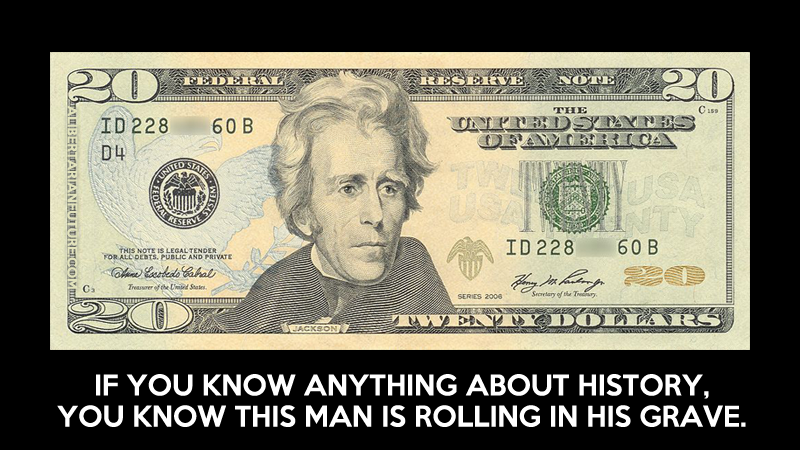
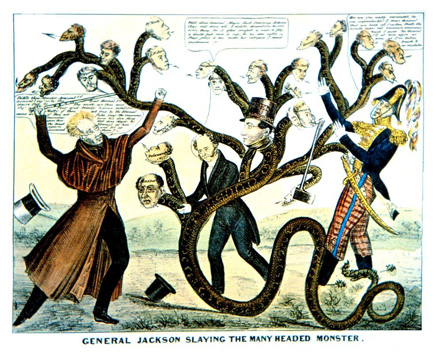


| You are subscribed to email updates from Save Your ASSets First. To stop receiving these emails, you may unsubscribe now. | Email delivery powered by Google |
| Google Inc., 1600 Amphitheatre Parkway, Mountain View, CA 94043, United States | |

No comments:
Post a Comment